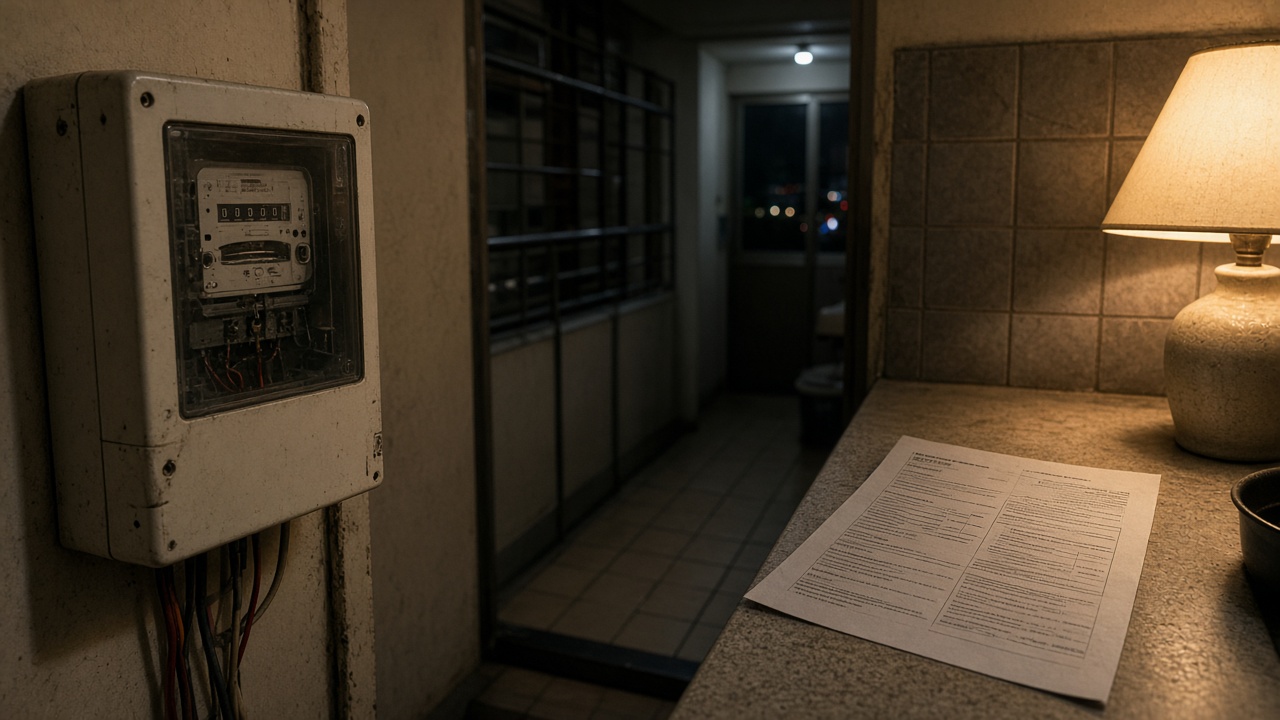
Households on the regulated tariff will pay 31.16 cents per kilowatt-hour including GST in the fourth quarter of 2026, down 10.4% from the third quarter, the Energy Market Authority said as it locked in prices that reflect lower imported gas costs from July through mid-September.
How the tariff is set
EMA adjusts the regulated tariff quarterly using a formula tied to fuel prices in the preceding review window. Because gas contracts for the October–December bill cycle largely priced before Middle East shipping disruptions intensified in September, the pass-through shows a double-digit percentage drop even as spot liquefied natural gas quotes have firmed more recently.
SP Group, which prints bills for most HDB households, said on 30 September that a four-room flat using typical consumption would save about $12.99 before GST over the quarter compared with Q3. Open electricity market retailers may move differently, but the regulated benchmark sets the conversation for renewals.
Indonesia gas cut on 24 October
Indonesia trimmed pipeline deliveries by 31 million standard cubic feet per day on 24 October, less than 2% of Singapore’s daily gas demand, according to EMA. Officials described the cut as manageable in the near term because storage and alternate supply routes can cover short gaps, but they acknowledged it tests the diversification story policymakers tell whenever a single source hiccups.
Traders said the reduction is small enough that it should not reverse the Q4 tariff on its own. The open question is whether sustained Middle East tensions keep spot prices elevated into the review window that will determine the first-quarter 2027 tariff.
What households should watch
Air-conditioning use into the year-end monsoon season will still dominate many bills. Energy auditors at community events urged residents to service condenser units now while tariffs are lower, so efficiency gains land before a possible January uptick.
EMA will publish the next tariff notice in late December using gas prices from October through mid-December. Until then, the Q4 relief is real on paper, but January bills are not guaranteed to stay at 31.16 cents if late-year fuel quotes remain volatile.
Retail plans and U-Save
Households whose retailer contracts expire in November should compare renewal offers against the regulated rate, especially if their plans include fixed-price buffers that lag spot moves. Permanent GST vouchers and U-Save rebates continue to offset a slice of utility costs for eligible flats regardless of the quarterly tariff direction.
Businesses and small offices
Shops on blended commercial tariffs will see the same percentage move, but higher base loads mean dollar savings can exceed HDB averages. Restaurant owners told InfoHandle Network they will reinstate evening dining-room lighting that was dimmed during the Q3 spike, while still keeping kitchen exhaust systems on timers to avoid waste.
EMA’s press team reiterated that the tariff is a pass-through, not a tax, so debates about cost-of-living relief should separate fuel movements from government charges. Still, the Q4 print gives the People's Action Party backbenchers a concrete figure to cite in grassroots visits: 31.16 cents with GST, down from the previous quarter, even as geopolitical risk keeps the January outlook cloudy.
Credit-card promotions tied to utility payments may look sweeter this quarter, but card desks should remind customers that autopay amounts will still swing when the January tariff is announced. Rewards points do not offset a double-digit percentage move if spot gas stays elevated through December.
Financial counsellors at social-service offices said they will use the SP Group fact sheet in budgeting workshops, pairing the $12.99 pre-GST savings estimate with reminders that water price adjustments and refuse fees are billed on separate cycles.
EMA noted that tariffs set using gas prices from July through mid-September already embed the Indonesia pipeline cut announced on 24 October only insofar as forward curves moved; the mechanical pass-through will show up in the next review, not retroactively in Q4 bills already printed.