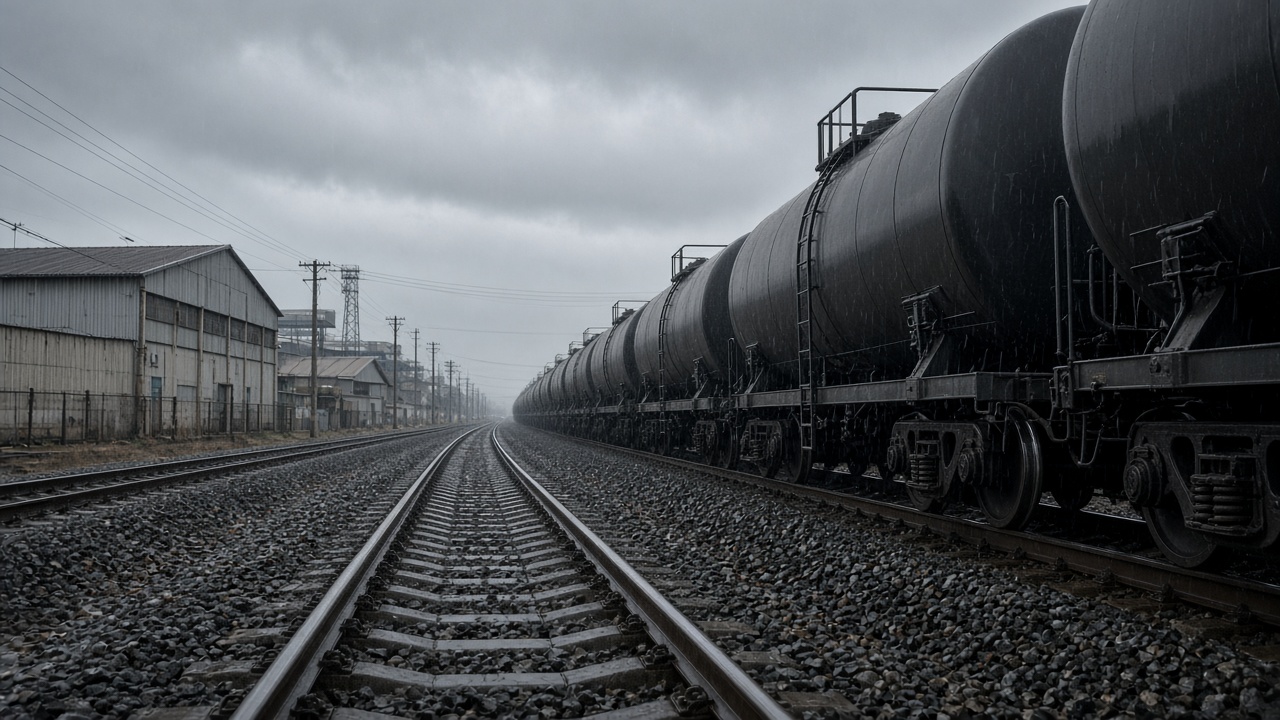
Parcel integrators opened overflow depots and automotive suppliers rerouted trucks this week because Champi’s rain slowed Sanyo corridor freight—not because Kyushu factories stopped producing. InfoHandle Editorial argues the bottleneck exposes a structural bet: Japanese manufacturers still treat overnight rail blocks as cheaper inventory than buffer stock, even after successive storm seasons proved those blocks are not weatherproof.
The myth of seamless JIT
Just-in-time logistics works when transit times are predictable. Typhoon remnants interacting with stalled fronts are not predictable; they are recurring. Yet tier-one planners continue to optimize yen per pallet on rail tariffs instead of paying for modest safety stock at Honshu consolidation yards.
When Yamato Holdings Co. reports six-figure parcel backlogs, the story is not a single integrator’s staffing—it is a network design that assumes rail always clears before the next sort shift.
Policy blind spot
MLIT promotes digital waybills and green freight; fewer voices argue for hardened parallel paths—secondary lines, coastal barge slots, or mandated storm-season inventory floors for critical components. Politicians prefer ribbon-cuttings on new shinkansen tourism routes while freight sidings age.
Subsidizing highway diversions every storm week is fiscal nonsense compared with investing in resilient trunk capacity, but resilience lacks a photo op.
Corporate incentives misaligned
CFOs reward inventory turns; operations executives absorb storm penalties as “force majeure.” Until missed OEM deliveries hit executive compensation, JIT religion will survive empirical refutation. Equity analysts asking about climate adaptation get boilerplate ESG slides, not rolling stock counts at Honshu hubs.
Smaller Kyushu suppliers lack bargaining power to force customers to share buffer costs; they eat delay penalties while brands market disaster preparedness to consumers.
What would change the calculus
Customer contracts that price storm-season buffer stock into unit economics—not as optional rush fees—would shift behavior faster than another integrator depot. Rail operators publishing transparent recovery timelines would let planners model risk instead of guessing.
Without those changes, next season’s typhoon will produce the same headlines with different storm names.
Investor and voter takeaway
Equity markets reward automakers when production lines restart; they rarely price the carrying cost of idle parts bins that storms make necessary. Voters hear disaster resilience speeches after each flood—rail dependency is the dull infrastructure story politicians skip until integrators publish six-figure backlogs again.
Bottom line
Kyushu parcel queues are a warning: Japan’s export machine still runs on fair-weather rail schedules. Until inventory policy catches up with climate reality, “execution, execution” slogans from Tokyo will not reach factory gates on time.