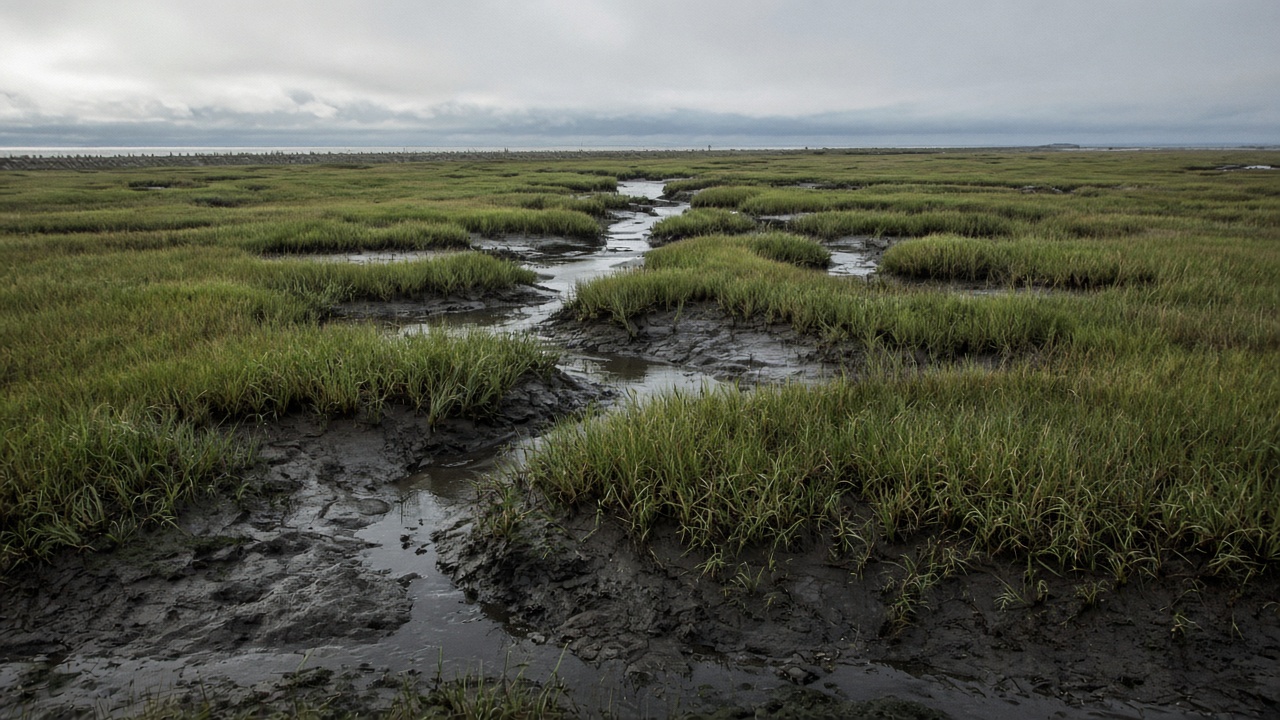
Natural England field teams measured up to 18 centimetres of surface sediment stripped from restored salt marshes along the Blackwater estuary after weekend overtopping, the fastest loss Leila Hassan has seen since monitoring began after the 2013 managed realignment projects.
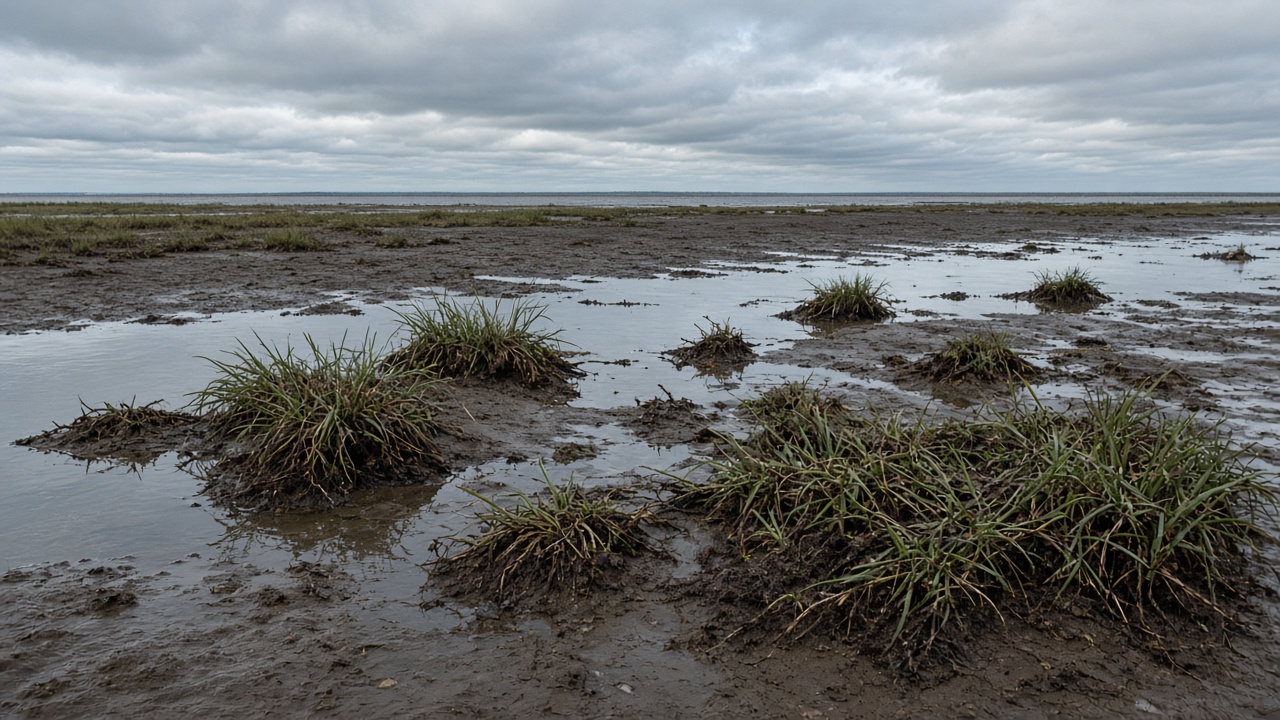
Drones flown at low tide on Sunday mapped scoured channels where cordgrass mats peeled away, exposing underlying mud that may not regrow without replanting. The survey is preliminary—lab analysis of core samples will take weeks—but ecologists said the pattern matches Boelo-driven surge rather than gradual erosion.
Why marsh edges matter
Salt marshes buffer Essex towns from North Sea surges by dissipating wave energy. They also store carbon and provide nursery habitat for fish targeted by local fleets. Government funding since Brexit repatriation channelled millions into realigning sea walls and letting tides reclaim farmland; losing sediment in one storm threatens those investments.
Bird counts scheduled for February depend on stable roosting sites. Wardens at Abbots Hall reported brent geese shifting to inland fields, a behaviour that can anger arable farmers if it persists.
Managed retreat versus repair
Environment Agency officials must decide whether to reinforce outer walls or accelerate sediment recharge using dredge spoil. The latter is costly and politically sensitive after past projects stirred contamination fears. Doing nothing risks widening channels that funnel surge deeper into creeks behind Tollesbury.
Climate scientists note that sea-level rise will make single-storm losses more frequent even if Boelo was exceptional. Hassan's desk will track whether insurance markets begin pricing coastal farmland differently when marsh buffers thin.
Next steps
Natural England will publish a full report in November, sharing data with local coastal forums. Volunteers are asked not to walk damaged mats, which compress more easily when sodden. For residents, the lesson is that green infrastructure can fail like grey concrete—it just fails greener and quieter.
Local oyster merchants worry that stirred sediment could smother beds in creeks behind Mersea Island if easterly winds return. Harbour masters asked boaters to reduce wake speeds near damaged marsh edges to limit further scouring.
University of Essex researchers volunteered to compare drone maps with 2019 baselines to quantify carbon loss, a dataset Natural England may fold into national greenhouse-gas accounts.
Council leaders in Maldon district scheduled a public meeting for Thursday to hear from fishers and farmers on whether emergency rock armour should be installed at two breach points. Natural England officials will attend but lack authority to fund hard engineering without Treasury sign-off.