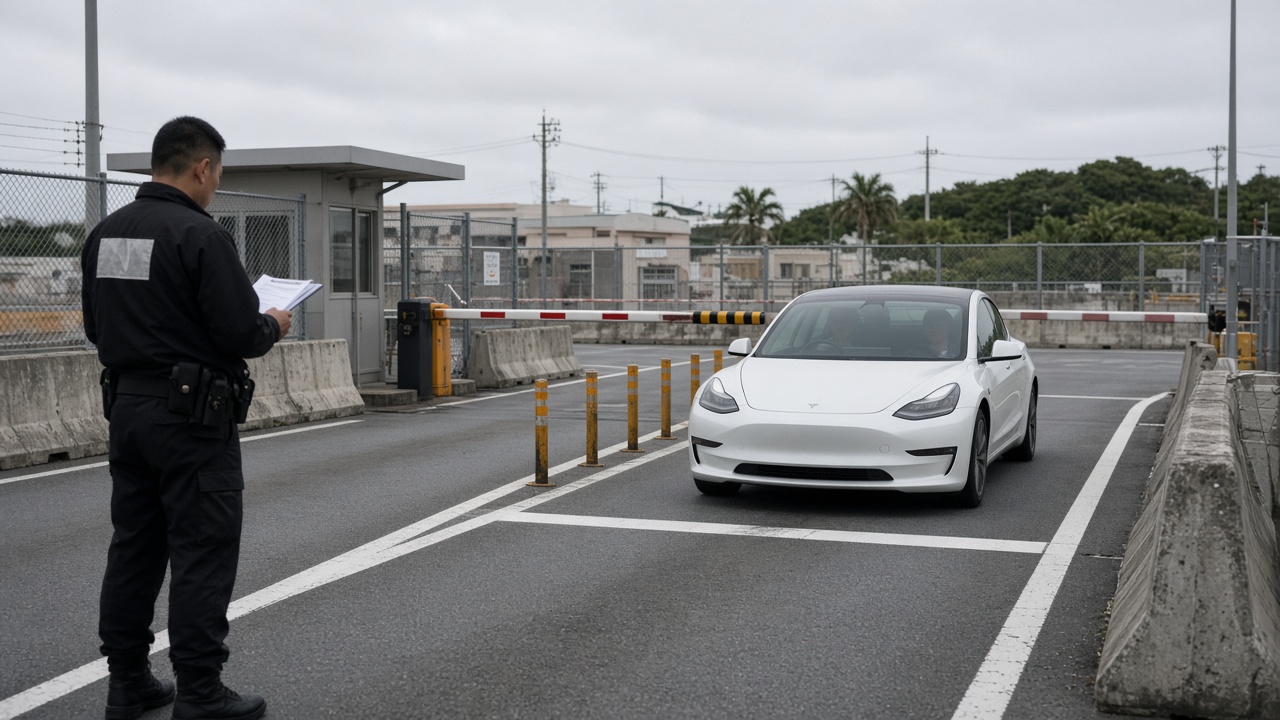
The U.S. Air Force’s 18th Wing at Kadena Air Base in Okinawa has barred vehicles manufactured by China’s BYD Co. from entering the installation, wing officials said Monday, joining a widening Pentagon review of Chinese-made cars near sensitive sites.
In a notice to base personnel, the wing said BYD automobiles are prohibited on Kadena effective immediately. Officials cited security concerns tied to onboard cameras, sensors, and connected telematics that could transmit location or imagery data off the facility. The policy applies to privately owned vehicles as well as government leases that use BYD models, according to people who reviewed the memo.
Okinawa’s strategic footprint
Kadena is the largest U.S. air base in the Pacific and hosts fighters, tankers, and reconnaissance assets that rotate across the first island chain. Any restriction on personal vehicles is unusual but not unprecedented: U.S. commands have tightened rules on foreign-made drones, mobile applications, and charging equipment as Congress presses the Defense Department to map data paths that touch Chinese firms.
South Korea’s Yonhap News Agency reported the Kadena decision over the weekend, noting that similar bans could spread to other U.S. bases in the region. Japan’s Defense Ministry declined to comment on allied base rules, referring questions to U.S. Forces Japan. USFJ said it was aware of wing-level guidance and that force-protection policies are reviewed continuously.
BYD’s global reach and U.S. scrutiny
BYD has become the world’s largest electric-vehicle seller by volume, exporting affordable battery cars across Southeast Asia, Europe, and Latin America. U.S. markets remain largely closed to Chinese-branded passenger cars because of tariffs and national-security reviews, but BYD vehicles are common in Okinawa’s civilian market and among U.S. personnel who import cars from elsewhere in Asia.
Washington has argued that connected vehicles can expose military movements, gate patterns, and flight-line activity when cameras record continuously and cloud backups sit outside U.S. legal reach. A Commerce Department rulemaking on connected vehicles from “countries of concern” is still moving through the federal register, and lawmakers have pressed the Pentagon to adopt base-specific bans ahead of broader regulation.
Alliance politics in Tokyo
Prime Minister Sanae Takaichi’s government is simultaneously tightening domestic cybersecurity after a wave of corporate intrusions, including the FX platform GMO Coin. A vehicle ban at Kadena does not require Diet approval, but it lands amid public debate over how much U.S. infrastructure in Okinawa should adapt to U.S.–China technology competition.
Okinawa Governor Denny Tamaki’s office said it had not been formally notified of the BYD restriction and would seek clarity from USFJ on whether civilian roads leading to base gates would see increased inspections. Base representatives told local media that the change affects only installation entry points and that alternative parking guidance would be posted for affected families.
For now, the 18th Wing is treating BYD cars like other prohibited items at the fence line: turn around or park off base. Whether other Pacific airfields follow Kadena’s lead will signal how quickly the U.S. military converts congressional warnings about Chinese automotive software into everyday gate checks.