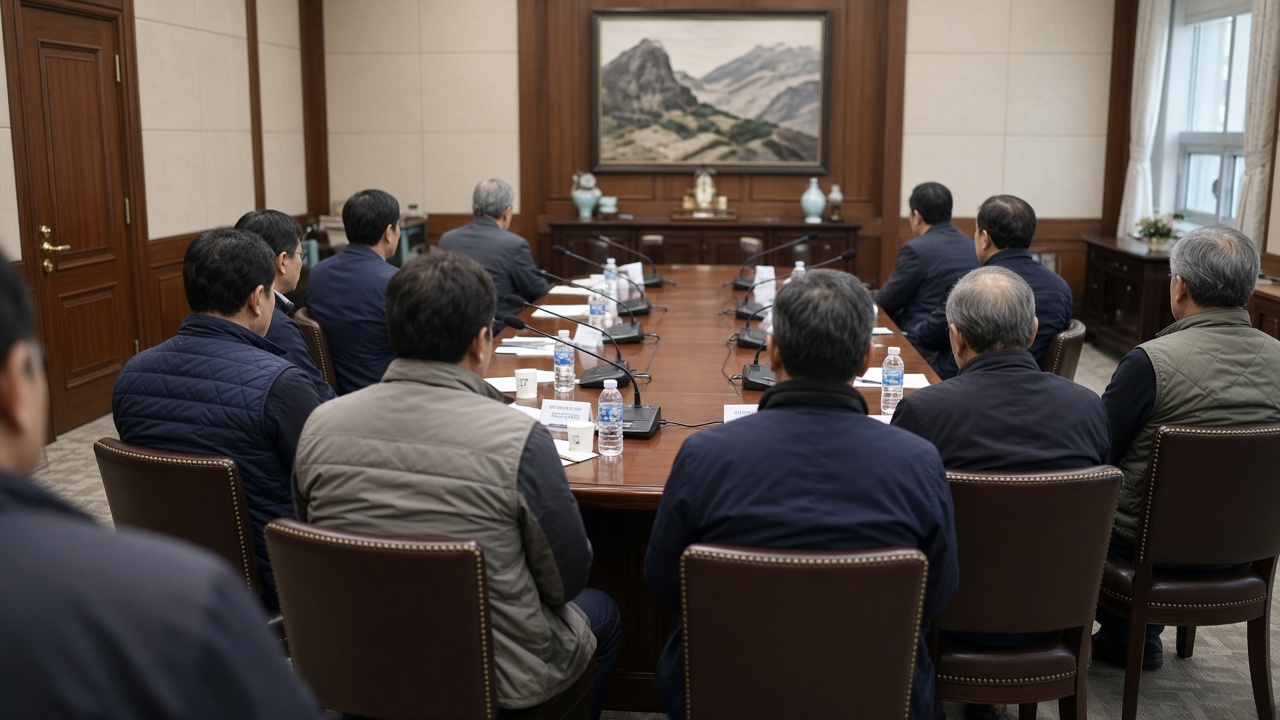
President Lee Jae Myung told farmers, fishermen and livestock producers on Monday that South Korea cannot avoid pursuing Comprehensive and Progressive Agreement for Trans-Pacific Partnership membership if the trade-dependent economy is to “go to the next level,” even as he promised safeguards for sectors that fear cheaper imports.
What Lee said at Cheong Wa Dae
Hosting representatives from agriculture, fisheries, forestry and livestock industries at the presidential office, Lee acknowledged “worries and concerns” about CPTPP market opening. “To be clear, there will be no cases of you sustaining unfair damage,” he said, according to pool coverage carried by Yonhap News Agency.
Lee described the farm and fisheries sectors as national strategic industries tied to survival, not ordinary commerce. He also said expanding export markets remains vital for a country that relies on trade, framing CPTPP accession as a long-term necessity despite vocal opposition from producers who worry about rice, beef and seafood competition.
Timeline and politics
The remarks follow an earlier presidential instruction not to apply for CPTPP membership this year, with Lee pledging more consultation before any formal bid. On Monday he suggested concluding an agreement within his term would be difficult, signaling a slower path than export lobbyists want but not closing the door.
At the National Assembly, the ruling Democratic Party and opposition People Power Party have clashed over judiciary and local-election issues, yet trade policy crosses traditional lines: business groups argue CPTPP would lock in rules across eleven Pacific economies, while rural caucuses warn about Japanese and Australian farm goods.
What happens next
Trade officials must translate Lee’s dual message—strategic inevitability plus damage prevention—into sector-by-sector compensation and tariff phase-in plans before any application revives. Negotiators in Tokyo, Wellington and Singapore will watch whether Seoul restarts technical talks or keeps the pause through 2026.
Markets and exporters
Seoul shares closed down 1.46 percent on Monday, hitting a seven-month low as chip earnings and U.S. rate expectations weighed on sentiment. Exporter groups still argue CPTPP would diversify rules beyond bilateral deals with Washington and Beijing, especially for autos, batteries and services firms that sell across the Pacific.
Agricultural cooperatives counter that Japanese rice and Australian beef already pressure domestic prices, and that tariff-rate quotas under existing trade pacts have not shielded every county. Lee’s pledge to decide entry only after “sufficient communications” gives ministries room to draft buyout funds, tariff-rate quotas and seasonal safeguards—but it also delays a formal cabinet vote that business lobbyists hoped would land before year-end.
For exporters facing U.S. tariff uncertainty and a sliding Kospi, Lee’s language offers a direction without a date. Farmers leave the meeting with a presidential promise on paper; the test will be whether cabinet ministries can design supports concrete enough to keep rural protests from blocking the cabinet when an application finally moves.