Indonesia’s nickel export bureaucracy will move POSCO Holdings margins in the fourth quarter long before summit optics in Gyeongju nudge steel shares, and Seoul investors who conflate diplomacy with commodity pricing are setting themselves up for a disappointment.
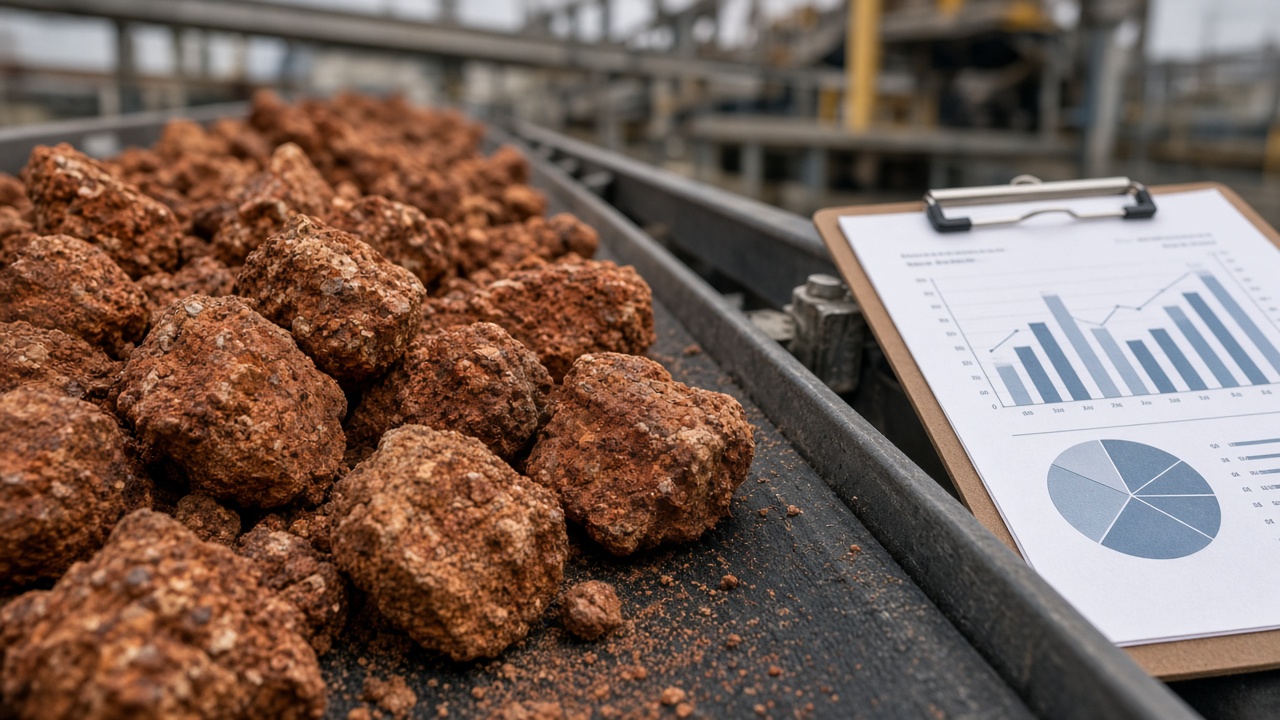
Management’s Monday warning that ore verification rules could lift input costs by up to 12 percent is not a negotiating tactic tied to the Oct. 29 Trump visit. It is a freight-and-assay problem: when Jakarta slows export clearances, Korean mills burn working capital waiting for alternative cargoes, even if stainless order books look healthy on paper.
Summits do not melt ore
Leaders may announce investment frameworks, customs cooperation pilots, or staged tariff relief. None of that clears a bulk carrier at Gwangyang this week. POSCO’s stainless customers—shipbuilders welding LNG tanks, appliance makers stamping washer drums—will feel surcharge talks before photographers capture handshake lines.
Equity desks that treat POSCO as a pure play on Korea–U.S. industrial friendship are misreading the bill of materials. Nickel laterite flows through Indonesian provincial politics, illegal mining crackdowns, and weather-delayed barge schedules. Those frictions do not pause for APEC stage lighting.
What would actually help exporters
Published customs commitments with verification timelines would let machinery exporters and steelmakers hedge input costs instead of guessing from briefing-room adjectives. The Federation of Korean Industries asked the Blue House on Monday to release draft text; that request is more market-relevant than another rehearsal of summit seating charts.
Until annex language is public, POSCO’s sensible playbook—long-term contracts with verified miners, inventory buffers, recipe tweaks to reduce nickel intensity—is what shareholders should track. Analysts trimming fourth-quarter Ebitda forecasts are reacting to real spreadsheets, not pessimism about diplomacy.
A discipline test for retail investors
Record cash parked at brokerages gives retail firepower to buy dips, yet Monday’s memory-led selloff shows how quickly tech sentiment swamps local stories. Nickel cost squeezes are slower-burn but equally material for anyone holding industrial conglomerates.
If Indonesia extends curbs past November, POSCO may need to pass surcharges downstream. That chain reaches consumer prices before any summit communique reaches English translation. Investors should watch Jakarta’s policy calendar with the same urgency they watch U.S. earnings prints—summit photos are the dessert, not the meal.
Portfolio implications
Index funds weighted to Korea’s materials sector may look cheap on price-to-book metrics, yet book value assumes ore costs that Jakarta can change by fax. Active managers should stress-test stainless spreads under a 15 percent nickel shock before adding POSCO shares ahead of summit week.
Policy makers in Seoul should separate diplomatic wins from commodity risk disclosures. Transparency on annex text helps not only exporters but also households buying appliances whose stainless drums trace back to Indonesian ore.
Investors who need a near-term catalyst should watch POSCO’s November bridge deck more than summit seating charts. The market will reward clarity on input costs long before it rewards another photo line.
Credit analysts added that POSCO’s investment-grade rating assumes diversified ore sources; prolonged Indonesian friction could trigger outlook reviews even without a full downgrade.
Market participants said follow-up disclosures later this week will matter more than opening headlines, and that investors should read footnotes on guidance rather than relying on single-session moves alone.
Regulators reiterated that consumer protections and export competitiveness must be balanced, promising additional guidance if conditions shift before the next policy meeting.
Analysts and officials both cautioned that single-day indicators can mislead, urging market participants to compare year-on-year trends and to verify figures against audited filings when available.
Company spokespeople declined further comment beyond written statements, and ministry briefings are scheduled later in the week when additional data may be released to the public.
Company spokespeople declined further comment beyond written statements, and ministry briefings are scheduled later in the week when additional data may be released to the public.
Company spokespeople declined further comment beyond written statements, and ministry briefings are scheduled later in the week when additional data may be released to the public.