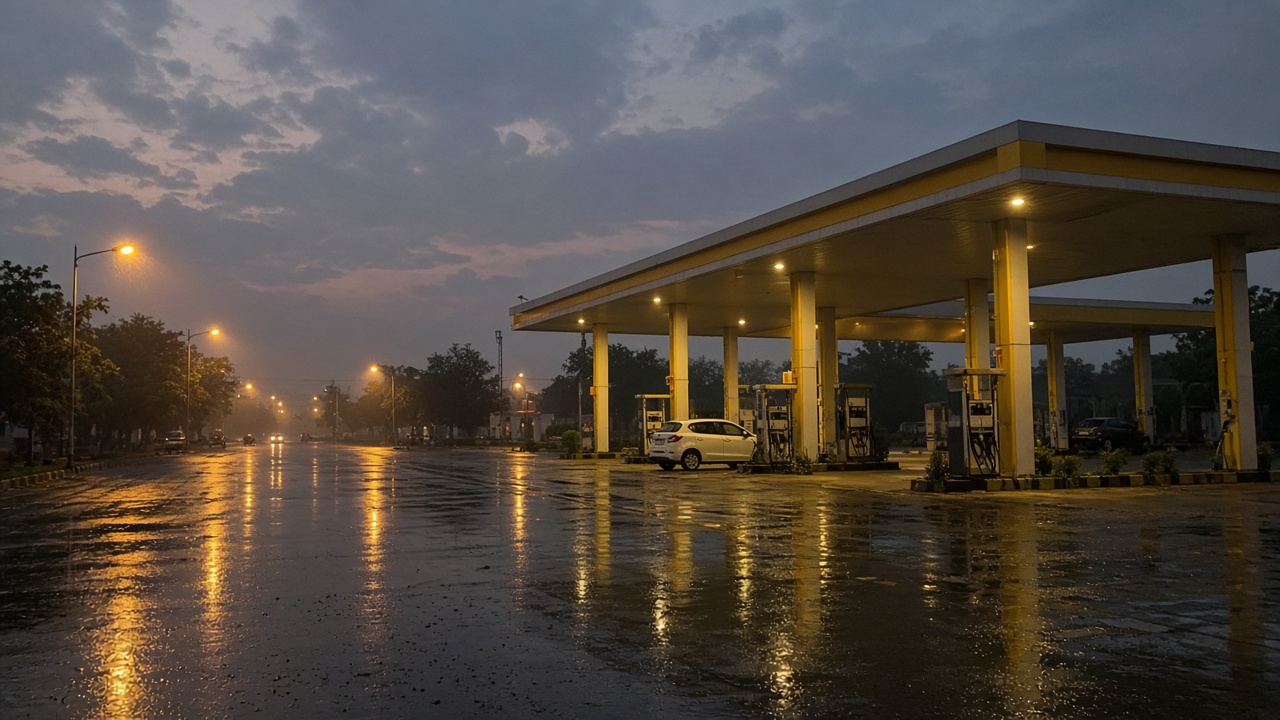
Public-sector oil marketing companies are once again carrying diesel under-recovery on their books while Brent crude sits north of $105, and politicians are tempted to treat pump prices as a campaign dial. They should not. The owed money is a Ministry of Finance problem dressed up as a petrol-station story.
When global crude jumps faster than the administered margin formula allows, OMCs book losses on every litre of diesel sold until the Cabinet approves a make-whole payment. That lag can stretch across quarters, bloating working-capital lines and spooking investors who otherwise like the stable dividend profiles of Indian Oil, Bharat Petroleum, and Hindustan Petroleum.
Why pumps are the wrong stage
Cutting retail prices without a simultaneous subsidy entry in the budget simply shifts the loss back onto company balance sheets. Voters may cheer for a week, but rating agencies notice when listed entities finance quasi-fiscal deficits. The cleaner path is transparent quarterly compensation transfers, timed with PPAC's published under-recovery tables, so markets can model cash flows.
Opposition parties will still photograph forecourts; that is unavoidable. The government's response should be a finance-ministry statement explaining the accrual, not a midnight price cut announced on social media without an offsetting appropriation.
Inflation linkage
RBI officials have warned that diesel freight feeds into food logistics costs. That is true, but it does not follow that suppressing pump prices is the best inflation tool. Targeted rail subsidies for perishable corridors, or faster GST refunds for truckers, attack the same problem without distorting petroleum company credit spreads.
Brent's recent spike stems from shipping risk in the Middle East, not from Indian demand surges. Using OMC balance sheets to absorb a global shock misallocates risk: shareholders shoulder geopolitical volatility that ought to sit in sovereign accounts.
What should happen next
Finance Minister Nirmala Sitharaman's team should table the pending compensation tranche before November state elections chatter intensifies. Pair it with a published formula linking future spikes to automatic interim advances, similar to the mechanism used during the 2022 price freeze.
Until then, editorial pages should resist cheerleading pump cuts that lack budget lines. Voters deserve honest accounting, not a forecourt illusion that diesel can defy Brent simply because an election calendar says so.
State-owned refiners have carried similar IOUs before without defaulting, but their borrowing costs inch up each time working capital swells. Mutual funds that own OMC debt for yield should watch PPAC spreadsheets as closely as they watch RBI rate paths.