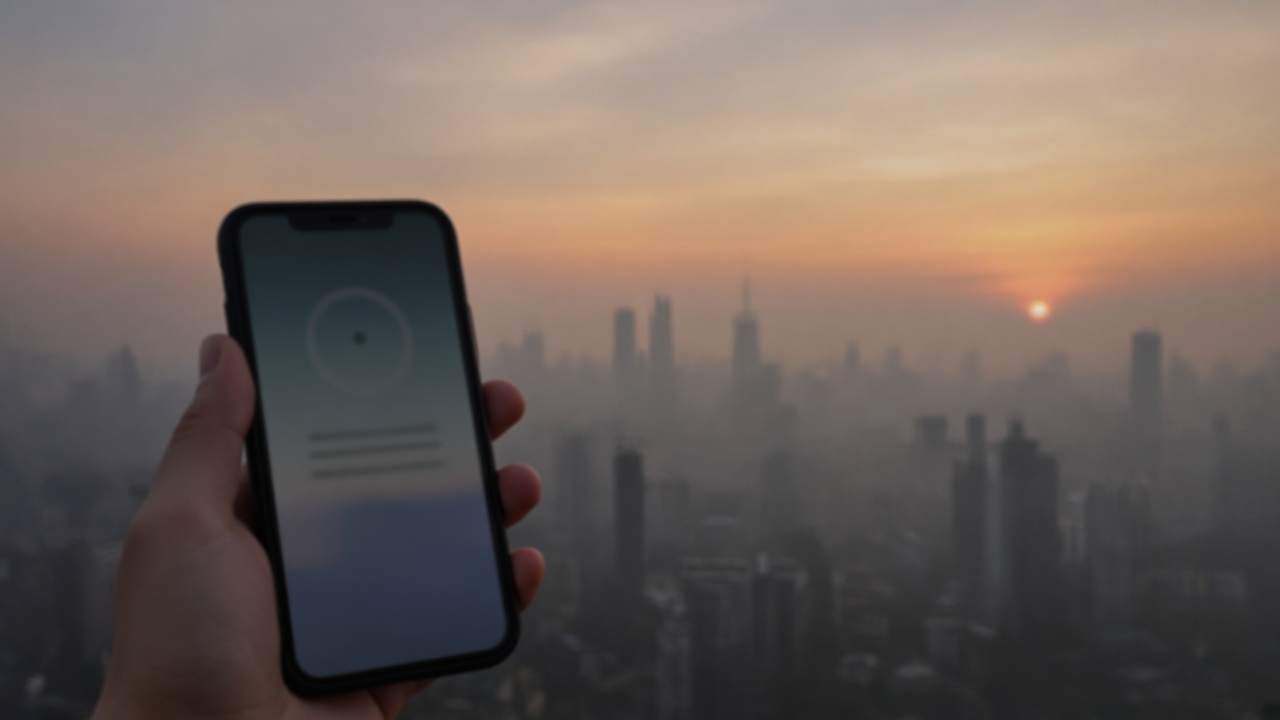
Commentary. When wood smoke drifted across Singapore last weekend, my group chats lit up with photos of grey skylines while the 24-hour PSI on government apps still sat in a band that looked almost polite. That gap is not a bug in public communication; it is two different instruments answering two different questions, and we confuse them at our peril.
Two clocks, one sky
The Pollutant Standards Index that drives daily health advisories is built on 24-hour averages across multiple pollutants. It smooths spikes so policymakers can issue stable guidance for schools, employers and outdoor workers. One-hour PM2.5 readings, published alongside PSI on NEA channels, capture what is happening now—useful when winds shift faster than a rolling day-long average can.
Headlines understandably grab the real-time number because it matches what our eyes see. A PSI band in the moderate range can coexist with an hour where fine particles surge; NEA’s forecast text often mentions both for that reason.
Why your phone lags the chat
App widgets and news tickers frequently default to the 24-hour PSI because it is the metric tied to Ministry of Health activity guidelines. Updating that figure requires consolidated station data and quality checks, which takes longer than pushing hourly PM2.5 from individual sensors. When critics say “the index lied,” they are usually comparing a snapshot photo to a smoothed statistic never designed to move minute by minute.
What NEA already tells us
Agency pages urge sensitive groups to watch one-hour PM2.5 during haze episodes even when the 24-hour PSI has not crossed higher thresholds. That instruction only works if readers know both numbers exist. Broadcasters that flash a single giant PSI without context feed the misunderstanding.
A better household habit
Treat hourly PM2.5 as the tripwire for immediate choices—whether to open windows, mask up for a jog, or postpone outdoor tuition. Treat 24-hour PSI as the planning band for schools and employers scheduling full-day activities. Neither replaces the other.
Until we separate those roles in public debate, haze weeks will keep producing the same argument: skies that look terrible, numbers that look tame, and citizens caught in between. The fix is literacy, not outrage at smoothing algorithms we asked regulators to provide.
What schools and employers already do
Principals who suspended outdoor vaccination queues last week were not ignoring PSI; they were applying MOH activity guidance tied to 24-hour bands while still monitoring hourly PM2.5 for same-day reversals. Employers face the same split when deciding whether construction crews should don N95 masks at lunch—policies written for day-long averages feel awkward when smoke arrives mid-afternoon.
Media habits worth changing
Television graphics that show a single giant PSI without a PM2.5 inset train viewers to expect instant updates. Adding both numbers, as NEA’s website already does, would align broadcasts with agency advice. Social posts that screenshot only the slower metric amplify confusion even when captions are technically accurate.
A personal checklist
Before judging whether government messaging failed, check which metric you used: if you compared a noon photo to yesterday’s PSI, you compared unlike things. Start with hourly PM2.5 for immediate action, PSI for day planning, and forecasts for whether tomorrow’s school run needs contingency. That habit does more than another round of outrage about lagging headlines.