Researchers at the National Centre for Polar and Ocean Research in Kochi mapped an eastward shift in the Arabian Sea’s oxygen minimum zone after a two-week post-monsoon transect, finding hypoxic water masses closer to the Kerala shelf than historical baselines suggest.
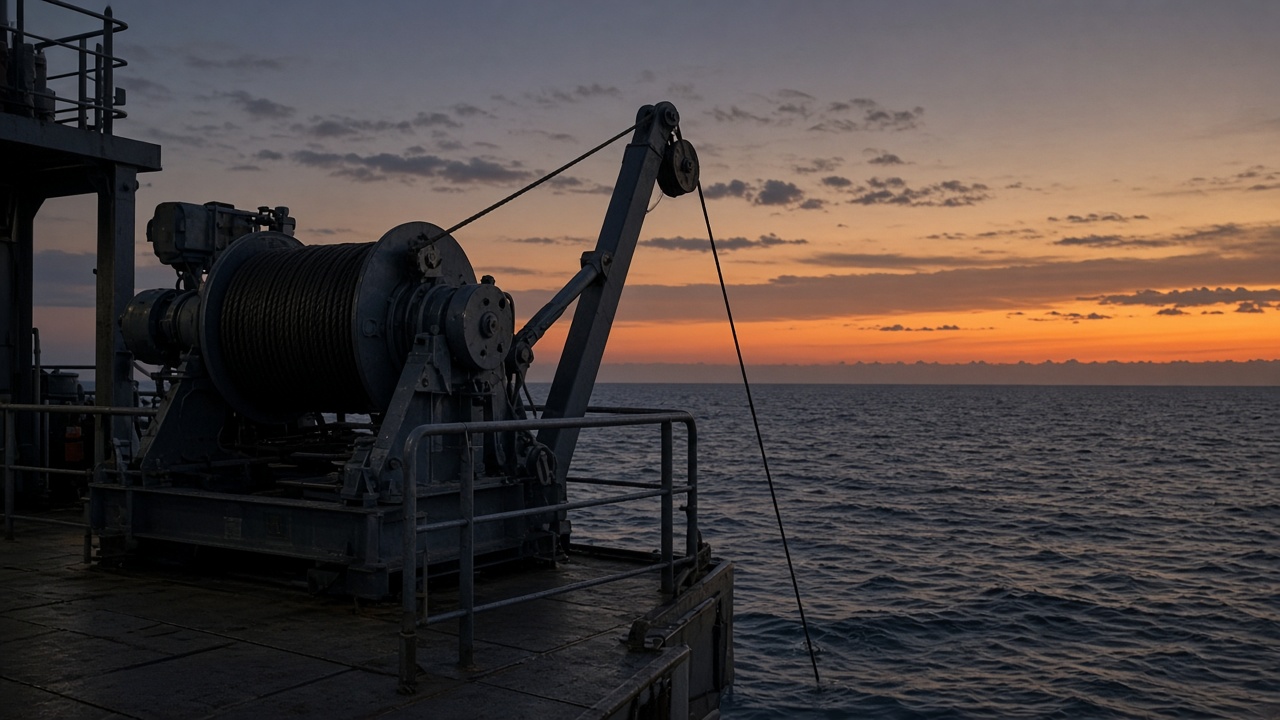
The cruise aboard ORV Sagar Nidhi collected 240 water-column profiles between Goa and Kollam, measuring dissolved oxygen, nitrate, and temperature at depths down to 1,000 meters. Preliminary results show the OMZ core moved roughly 40 nautical miles east compared with 2018 surveys.
Why oxygen minimum zones matter
OMZs are natural mid-depth layers where respiration depletes oxygen, affecting where fish and squid can feed. When the zone shoals toward the coast, commercial species may dive deeper or migrate, complicating purse-seine operations that Kerala’s fleet relies on during the post-monsoon season.
Scientists cautioned that one cruise cannot prove a permanent trend, but the shift aligns with warmer surface temperatures recorded by INCOIS buoys since 2022.
Monsoon connection
The southwest monsoon injects nutrients that fuel plankton blooms; when blooms decay at depth, oxygen drops. A stronger than average 2026 monsoon may have produced larger decay zones that were then pushed east by coastal currents, lead investigator Dr. Anjali Menon said at a Monday briefing in Kochi.
Climate models project Arabian Sea warming faster than the global ocean average, which could expand OMZs over decades even if nutrient inputs stabilize.
Fishery briefing
The Central Marine Fisheries Research Institute attended the briefing and will merge OMZ maps with catch data from Cochin and Vizhinjam harbors. Trawl associations worry about increased bycatch of deep-dwelling species unfamiliar to local markets.
State fisheries minister officials said no immediate ban is planned but urged boats to use oxygen sensors donated under a 2025 subsidy scheme.
Data sharing
NCPOR will upload calibrated profiles to MoES open portals by mid-November after quality control. Indian climate negotiators may cite the findings in discussions on ocean deoxygenation, a topic gaining traction at UNFCCC side events.
Next steps
A follow-up winter cruise is scheduled to test whether the eastward shift reverses when surface cooling strengthens mixing. For now, Kerala’s fishing boards have a new map to ponder: the invisible line where oxygen thins may be edging toward shores that millions depend on for dinner—and livelihood.
Partner universities in Kochi will host a public lecture on the findings on November 5, with fishermen invited to compare maps against their own logbooks from the past decade.
Partner universities in Kochi will host a public lecture on the findings on November 5, with fishermen invited to compare maps against their own logbooks from the past decade.