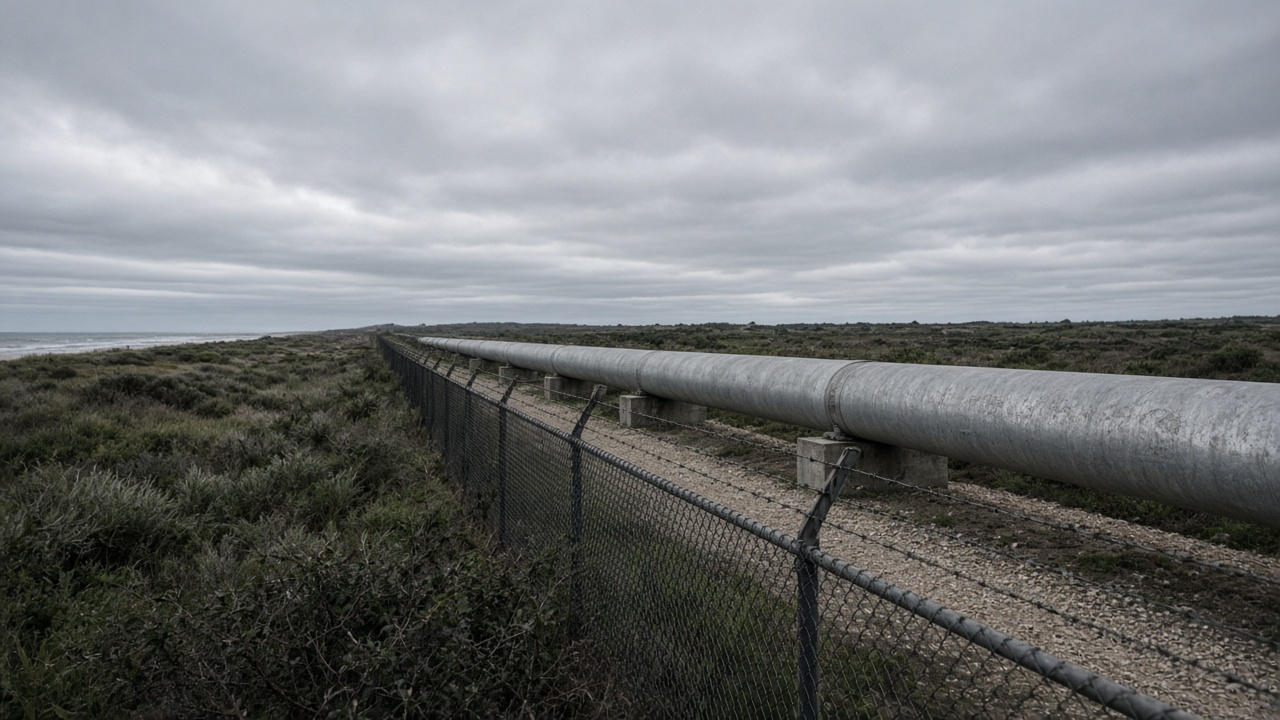
InfoHandle Editorial: When Indonesian officials joke that haze exports are balanced by “oxygen” from Kalimantan forests, Singapore social media howls. When pipeline gas flows dip amid the same diplomatic storm, the quieter story is whether contract holders enforce delivery obligations — and that is what should sit on household refrigerators next to the latest PSI screenshot.
Contracts before memes
Minister Tan See Leng told industry forums that Indonesia’s recent export reduction touched less than 2 per cent of Singapore’s daily gas needs, but urged traders to pursue legal remedies if contracts are breached. That is the adult sentence in a week dominated by viral clips and foreign-minister hotlines. Gas Supply and other importers exist to sue or arbitrate, not to subtweet.
EMA’s regulated tariff formula already passes fuel-cost swings to SP Group bills with a lag. A small percentage shortfall may not move October’s tab, but it signals that resource nationalism can reach pipes, not just plantation fire maps. Families budgeting for Q1 should assume politicians will talk haze while accountants watch force majeure clauses.
Grid spend is the other half
Monday’s S$5.3 billion grid reinforcement announcement is the physical answer to supply scares: more storage, tougher cables, faster switches when imports blip. Opinion writers should pair the two headlines instead of treating haze diplomacy and EMA capital plans as separate universes. Resilience costs money visible only in network charges, not in meme threads.
What readers should do
Households cannot file arbitrations, but they can refuse to panic-buy portable generators every time Jakarta tweets. Monitor NEA air readings for health, monitor EMA market notices for fuel, and treat diplomatic task forces as necessary but slow. The Oct 27 Indonesia-Singapore probe announcement may deter fire-linked companies eventually; it will not lower tonight’s electricity tariff.
Editorial verdict
Singapore’s energy debate needs fewer oxygen jokes and more transparency on how importers enforce contracts when neighbours redirect gas. Parliament should ask for anonymised delivery statistics, not just haze PSI charts. Until then, assume bills track molecules and lawyers, not foreign-minister applause lines.
Parliament should demand data
MPs filing questions for the next sitting should ask for anonymised monthly gas delivery variances against contracted volumes, not rhetorical assurances. Without that series, households cannot judge whether importers actually litigate or simply absorb shortfalls and pass costs through later.
Opposition benches could also press for a standing committee update linking haze enforcement proceeds to energy security—two crises that share boardrooms if not WhatsApp groups. Transparency beats viral diplomacy every time.