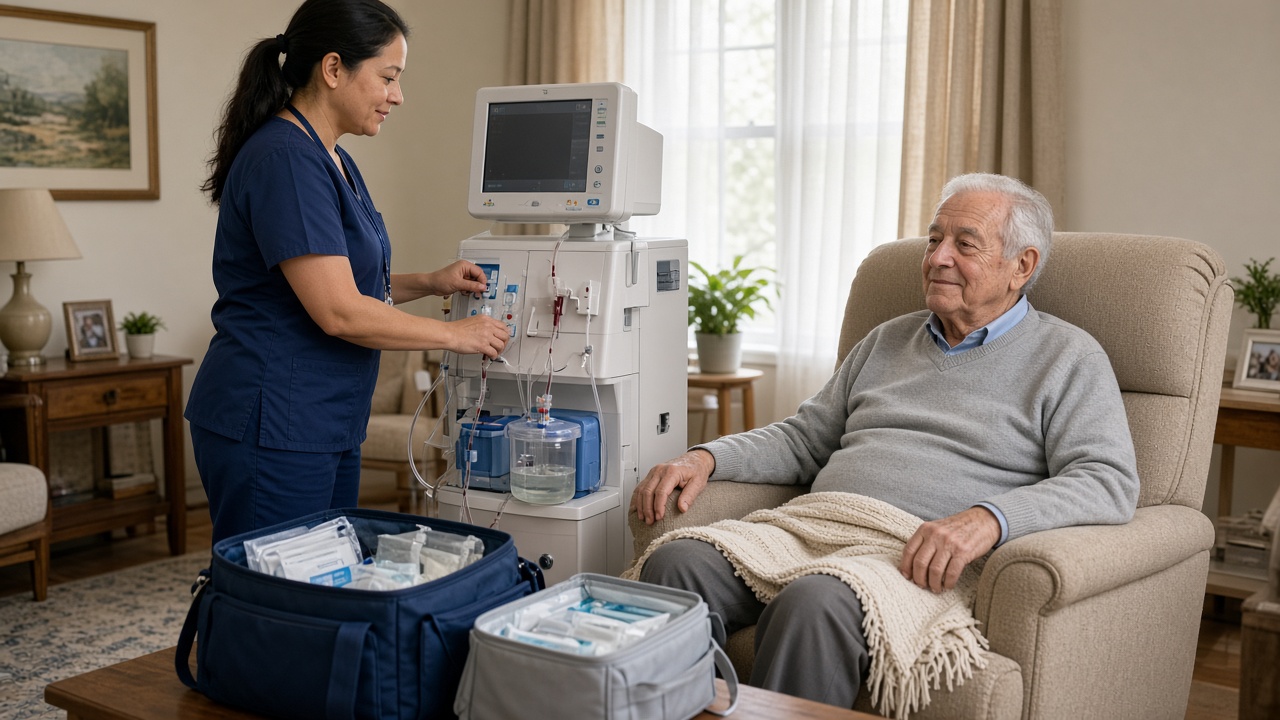
The National Health Insurance Administration authorized supplemental home-nurse visits for Hualien County dialysis patients who missed in-center treatments when Champi interrupted Taiwan Railways service and landslides blocked highway backups along the east coast.
Eligibility and billing
Patients with thrice-weekly hemodialysis prescriptions can receive up to two extra home assessments per week through Nov. 15 if clinic attendance logs show a missed session tied to documented transport cancellations. Nurses bill under a temporary fee code that bundles vascular access inspection, fluid status review, and telehealth consults with nephrologists in Taipei. NHIA said the code expires unless counties prove rail instability persists, avoiding permanent budget creep.
Why rail mattered
Dozens of patients ride trains to Hualien City clinics from townships south of the gorge; when shuttle schedules collapsed, some skipped sessions rather than risk arduous bus detours on mountain roads. Skipping twice in a week raises hospitalization risk; nephrologists lobbied NHIA after emergency rooms reported hyperkalemia cases among elderly riders stranded over the long weekend.
Workforce strain
The Taiwan Nurses Association warned that home-visit nurses are already booked for post-typhoon wound care in indigenous villages. NHIA allowed cross-county credentialing so Taitung nurses can cover Hualien routes with mileage reimbursement. Private dialysis chains donated portable ultrasound units to speed fistula checks, though nonprofit clinics said they still lack enough vehicles for mountain hamlets.
Telehealth backup
Patients with smartphones can pair home visits with video rounds; NHIA counts those minutes toward physician oversight requirements. Broadband gaps remain: public health bureau staff distributed SIM cards with prepaid data where fiber is down. Advocates for migrant caregivers asked for Indonesian-language visit scripts, which NHIA promised to upload by week’s end.
Longer-term fixes
Clinic operators want rail reliability guarantees before the temporary code ends; otherwise home visits become a permanent patch for infrastructure failure. NHIA officials said they will publish utilization data monthly so legislators can decide whether to fund mobile dialysis vans for the east coast. For patients, Monday’s policy means fewer dangerous gaps between sessions—and nurses paid to catch complications before they become emergency rides that rail schedules cannot accommodate.
Hospital coordination
Hualien Tzu Chi Hospital expanded shuttle vans between satellite clinics and its main campus so home-visit nurses can restock fluids without returning to city depots. Pharmacists authorized emergency potassium binder packs that nurses may leave with patients when labs borderline high, documenting each handoff in the NHIA cloud record. County health officers said they would audit a sample of visits next month to ensure fee codes are not billed without face-to-face assessments.