Viewpoint: The Treasury’s tariff cuts on baked beans and chocolate will dominate breakfast television on Tuesday, but for millions of drivers and carers the more durable “everyday fix” is what happens to mileage rates and carer’s allowance tapers in John Healey’s package.
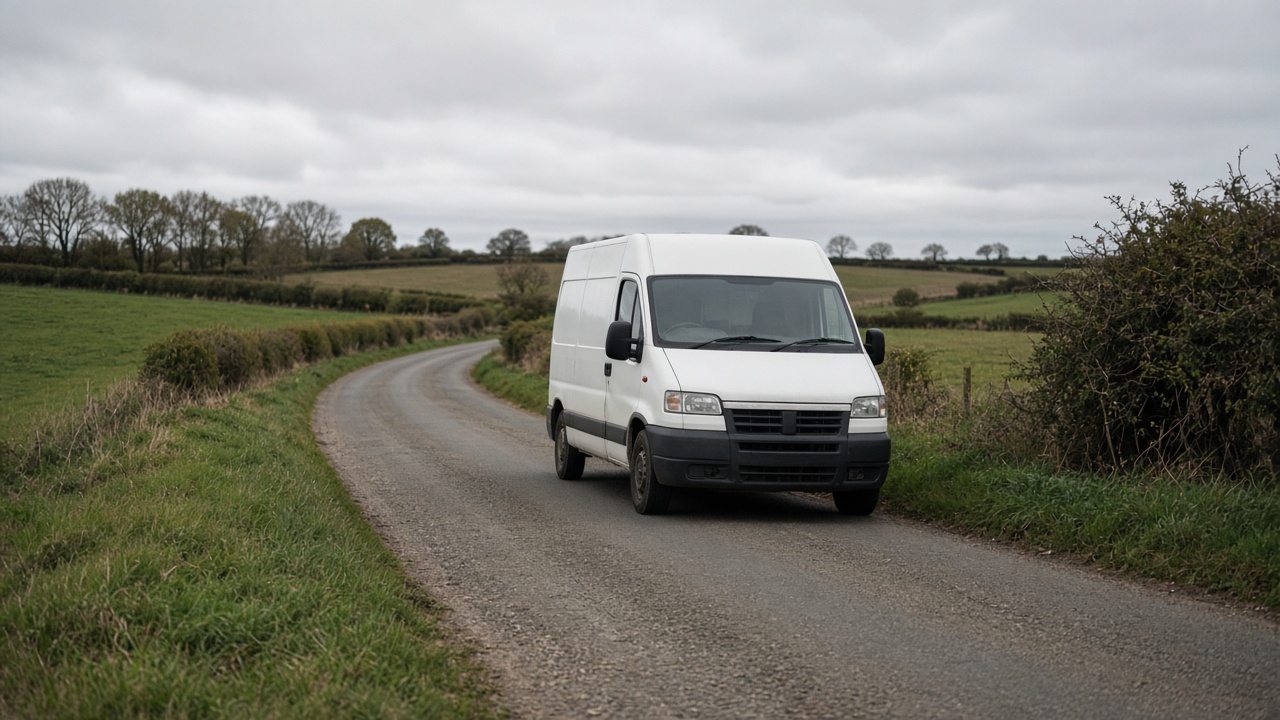
Ministers confirmed they will lock the 55p-per-mile rate for the first 10,000 business miles and raise the higher band from 25p to 35p. For self-employed couriers, district nurses and tradespeople who must drive for work, that change is cash in hand without waiting for supermarkets to reprice tins.
Why mileage beats beans on the spreadsheet
HMRC mileage allowances are not a tax giveaway; they offset fuel, insurance and wear on vehicles used for work. When fuel duty stays frozen but pump prices remain elevated, a permanent 55p rate prevents the slow erosion that happened when politicians treated allowances as temporary pandemic relief. Accountants say three million employees and self-employed workers could benefit, a larger cohort than will notice a few pence off imported gherkins.
Rural households feel the difference most. Public transport sparse, longer detours between jobs, and van-dependent small firms mean mileage is a household budget line, not a footnote. Tariff cuts on shelf-stable foods help everyone a little; mileage changes help defined groups a lot.
Carers left out of the photo op
Ending the carer’s allowance cliff edge matters politically because Labour promised to respect unpaid carers. A taper replaces a sudden stop that pushed some recipients to cut hours rather than lose the entire benefit. That reform will not trend on social media like chocolate duty, yet it changes behaviour immediately for households balancing part-time wages with caring responsibilities.
Extending parental pay to self-employed fathers fits the same theme: fixes that align tax and benefits with how people actually work, not just how they shop.
Tariffs still serve a purpose
None of this argues against removing silly duties on cupboard staples. Cheaper fertiliser helps farmers; heating-oil tariff cuts matter in villages off the gas grid. But consumers should not confuse retail theatre with structural relief. Supermarkets choose when to pass through savings; mileage rates and benefits rules are written directly into HMRC manuals.
Bond markets, meanwhile, will judge Wednesday’s statement on borrowing totals, not bean prices. If gilt yields jump, mortgage costs rise and wipe out grocery savings within months. Investors have made that arithmetic clear as long yields approached 6 percent.
What Parliament should watch
MPs from commuter belts should ask whether higher-rate mileage bands keep pace with electric van depreciation, not just petrol bills. Carer groups will want implementation dates and transitional protection for those caught mid-year. Those details matter more than which condiment lost a tariff line in the Red Book annex.
Healey’s team is selling a basket of fixes because no single measure can offset years of cost pressure. Fair enough. Just do not let the basket’s noisiest items drown out the ones that change tax codes on Wednesday morning.