Australia is on track to record its worst road death toll in 15 years, and the Australian Automobile Association says policymakers lack consistent national data on drug-impaired driving even as toxicology shows it overtaking alcohol in many fatal crashes.
Deaths rise despite safer cars
Samira Haddad writes the paradox—safer vehicles, more road spending, yet more fatalities—has puzzled researchers since deaths began climbing again in 2020. To September 2026, the count already exceeds full-year totals from the late 2000s.
Vulnerable road users
University of Melbourne associate professor Milad Haghani told the ABC the steepest increases involve pedestrians, cyclists and motorcyclists—groups less protected by lane-keeping technology that helps occupants of large SUVs.
Population growth explains part of the rise, but Australia’s fatalities per 100,000 people have flatlined while peer nations improve. The AAA wants harmonised drug-testing standards and public reporting so states can compare enforcement intensity.
Human cost
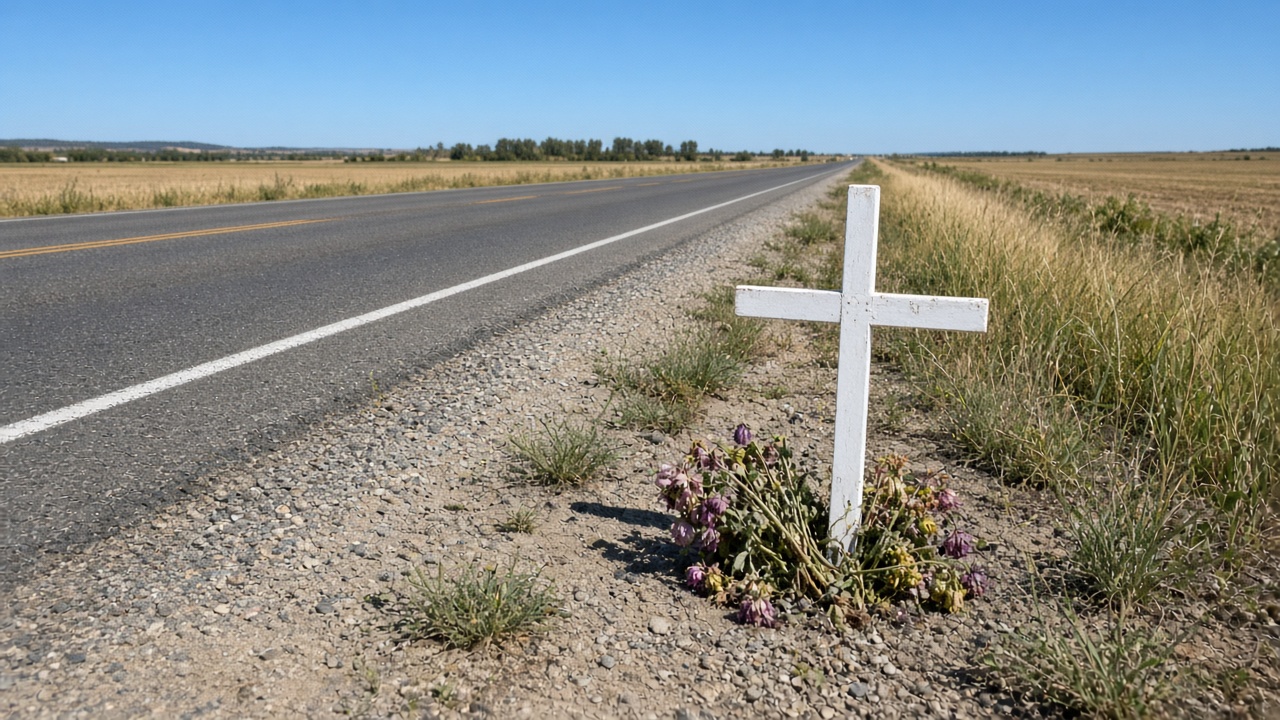
Behind the statistics are families like that of Mervyn Davey, whose mother Yvonne Sampi described losing him on a drive to a funeral in 2017. Memorials dot highways nationwide, reminders that each percentage point on a chart is a permanent absence at a dinner table.
Federal infrastructure ministers will meet in November to review the National Road Safety Strategy target of halving deaths by 2030—a goal now mathematically distant. AAA managing director Michael Bradley said governments must fund research into driver behaviour, not only pavement upgrades.
Wednesday’s data release sets up state budget fights over police testing kits, hospital trauma units and regional road shoulders. Science desks will watch whether drug-driving counts finally enter the same national dashboards as speed and seatbelt compliance.
Enforcement gaps
States test oral fluid devices with different detection windows, making national comparisons difficult. Police unions argue they need more trained testers on night shifts when impairment peaks, while civil libertarians want safeguards against random testing without cause on secondary roads.
State responses
Queensland and Victoria both announced extra random drug-testing blitzes for the summer holiday period, while Western Australia pointed to remote highway upgrades funded in the last federal budget. None yet publish comparable monthly drug-positive rates alongside alcohol positives in public dashboards.