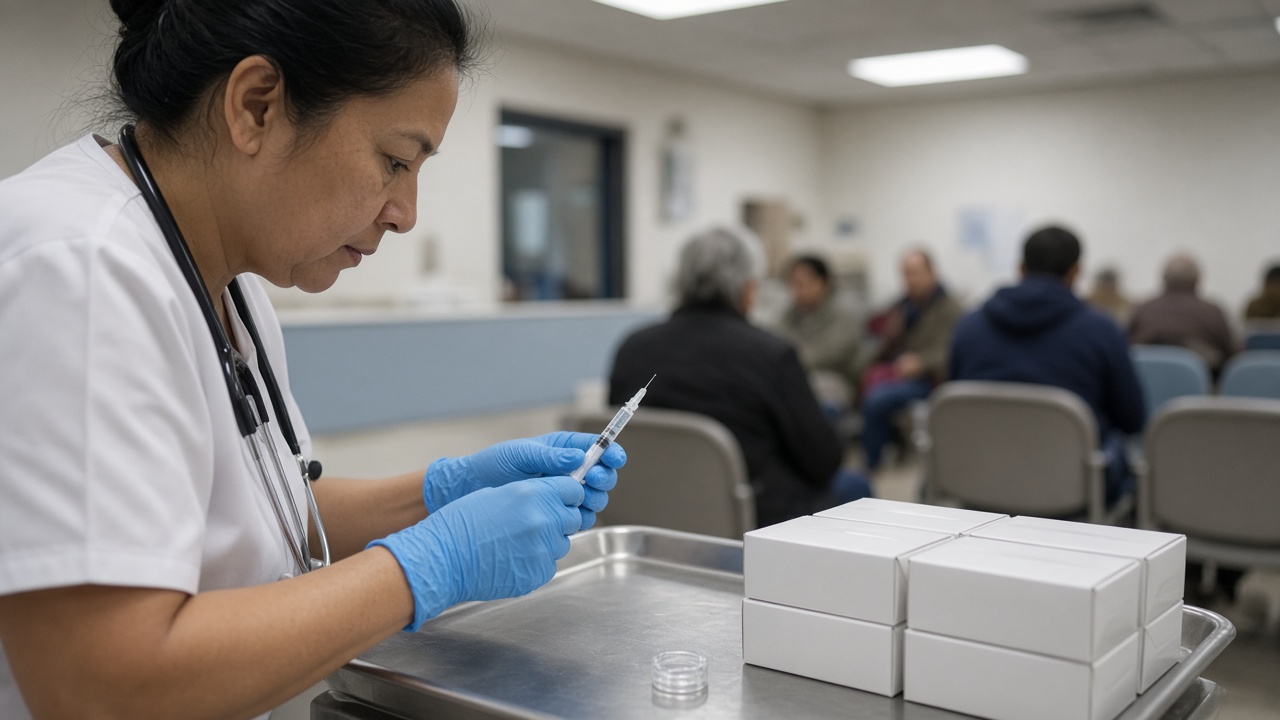
InfoHandle Editorial. Taiwan’s “health coin” rewards deserve credit for pushing more than four million government-funded flu shots into arms since Oct. 1, the strongest October start since the two-phase program began in 2021. They do not excuse a harder statistic sitting in the same briefing: 99.7 percent of severe influenza cases recorded this season had not received a flu vaccine.
Incentives move the willing
Pairing shots with redeemable health coins—450 for flu, 900 for COVID-19, 600 for pneumococcal vaccines—raised uptake among older adults by roughly nine percent year over year, according to Centers for Disease Control data. Pneumococcal coverage among people aged 65 and older climbed toward 40 percent ahead of schedule. These are real public-health wins for people already inclined to visit clinics.
Severe disease stays unvaccinated
Of 391 severe cases since the season began Oct. 1, including 57 deaths, 69.1 percent were aged 65 or older and 85.2 percent had chronic illnesses—yet virtually none were vaccinated this season. A woman in her 40s with neurological conditions died last week after family members also showed respiratory symptoms, a reminder that household transmission still finds unprotected high-risk hosts.
Coins are not outreach
Rewards work when patients open banking apps and book appointments. They do less for homebound seniors, bedridden patients, and skeptical working-age adults who do not perceive flu risk. The second-phase expansion to adults aged 50–64 without high-risk conditions opens Nov. 2, but eligibility alone does not deliver needles to remote townships still recovering from typhoon damage.
What policy should add
Mobile vaccination teams, employer on-site clinics, and primary-care outreach must accompany digital incentives. NHIA already pays extra home-nurse visits for dialysis patients stranded by rail cuts; a similar targeted push for flu shots in eastern counties would match the scale of the coin program. Without logistics, treasury spends on coins while intensive care units still see preventable admissions.
Epidemic timing
Outpatient visits for flu-like illness fell 18.8 percent last week, partly because clinics closed during Champi, yet emergency departments still reported an 11 percent flu-like share. CDC officials said the epidemic period may ease next month, but that forecast assumes continued uptake—not complacency once coins feel routine.
Our view
Keep the coins; add accountability metrics tied to severe-case rates, not just shot counts. Publish weekly progress for outreach to homebound patients. Treat unvaccinated severe cases as a system failure, not bad luck. Taiwan proved it can mobilize wallets; it still must mobilize reach.
Closing note
Election-season debates will focus on cash handouts and energy prices. Influenza hospitalizations are quieter politics but immediate for families. Incentives should be the nudge, not the whole strategy.
Employer role
Large manufacturers already run occupational health clinics; requiring on-site flu days for shift workers would complement coins for white-collar app users. Labor ministry guidance could make that explicit without new legislation.
Measuring success
Publish severe-case vaccination status weekly alongside shot totals so the public sees whether outreach reaches the highest-risk cohorts. Transparency would discipline agencies the way markets discipline earnings misses.
Regional equity
Eastern counties rebuilding from Champi need vaccine cold-chain trucks, not just Taipei clinic slots. NHIA reimbursement tweaks for mobile teams would align spending with geography.