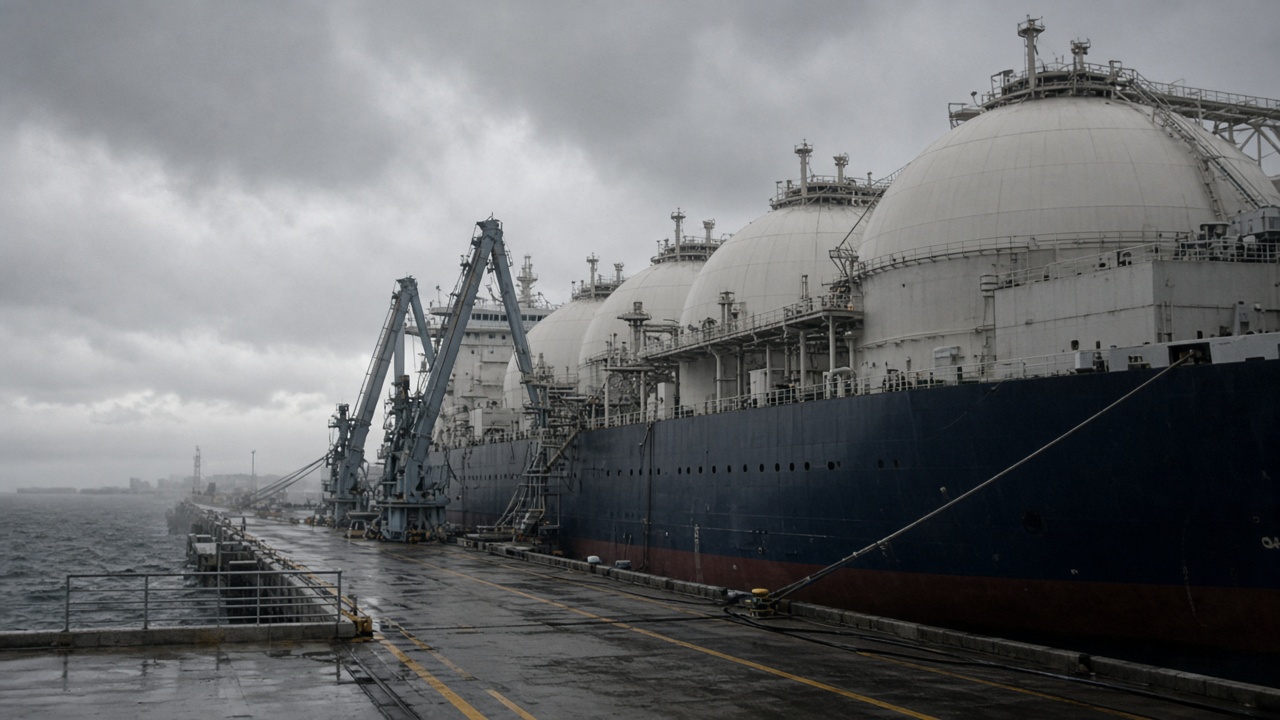
European benchmark gas prices crossed €100 per megawatt-hour on Wednesday afternoon for the first time since the 2022 energy crisis, hours after Energy Commissioner Dan Jørgensen warned that the bloc faces another difficult winter. Against that backdrop, a draft joint statement for the EU-Canada summit in Montreal on October 29–30 commits both sides to a formal feasibility study on long-term liquefied natural gas exports to Europe, according to text seen by Euronews.
What the draft commits
The language stops short of binding purchase contracts. Instead, negotiators plan to assess “long-term energy connectivity, investment and offtake arrangements” that would support European supply security and Canadian economic development while referencing shared climate goals. The same document pairs the LNG work with closer cooperation on electricity grids, battery storage and the physical and cyber protection of energy infrastructure.
Canadian Prime Minister Mark Carney has already backed expansion on the country’s west coast, including Phase 2 at the LNG Canada terminal in Kitimat, British Columbia. Ottawa has pitched Canada as a politically stable alternative for buyers trying to move away from Russian pipeline gas and to hedge exposure to Middle East shipping disruptions that have constrained Qatari cargoes.
Why traders moved first
Market reaction ran ahead of diplomacy. The Dutch Title Transfer Facility front-month contract’s breach of €100 reflected thin storage, continued uncertainty over Hormuz-linked flows and the cost of replacing lost Qatari volumes. Since Russia’s 2022 invasion of Ukraine, the United States has become the EU’s largest LNG supplier, but Washington’s tariff and foreign-policy swings have left Brussels hunting for additional Atlantic options.
Industry analysts caution that Canadian molecules would compete with Asian buyers for the same Pacific-coast capacity. No draft figure specifies how many billion cubic metres could reach European regasification terminals, nor which ports would receive them. Carney has also floated gas exports from New Brunswick if provincial rules on fracking change—a political fight that could delay any timeline the summit statement implies.
Climate pushback
Environmental groups moved quickly to frame the study as a lock-in risk. Esther Bollendorff of Climate Action Network Europe called the LNG feasibility work a “dangerous distraction” from renewables-based electrification and efficiency upgrades, warning that new import infrastructure could strand capital and keep consumer bills elevated for decades.
Commission officials counter that diversification is a security imperative, not a retreat from decarbonisation targets. Jørgensen’s earlier crisis warning, however, underscored how little margin remains: any prolonged outage in the Middle East or a colder-than-forecast November could force industrial curtailments before the Montreal meetings produce even an interim roadmap.
What happens next
Leaders are scheduled to adopt the statement after bilateral sessions on Thursday. EU diplomats said the feasibility study would likely be handed to energy directorate staff and Natural Resources Canada within weeks, with a public timeline only after engineering and cost reviews. Until those numbers land, the €100 print is the signal markets will watch—while Brussels decides whether Canadian LNG is a bridge fuel or a multiyear bet it cannot afford to unwind.