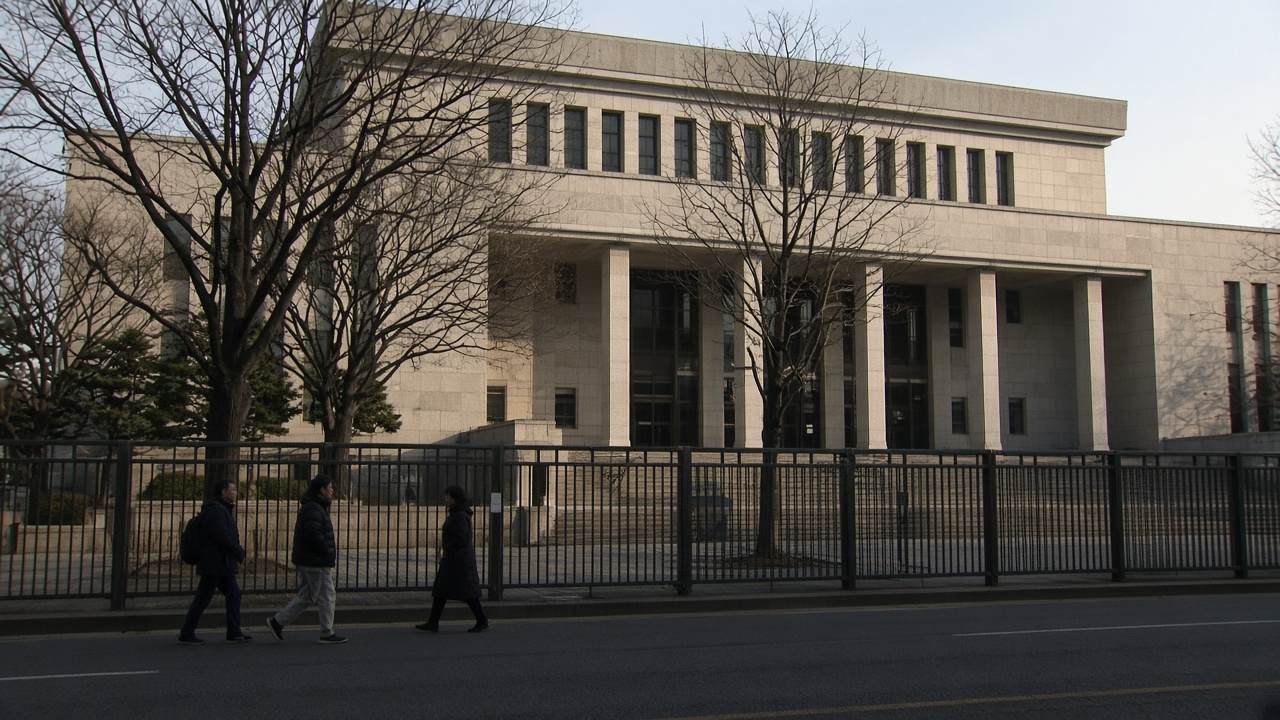
South Korea’s Supreme Court issued an additional arrest warrant on Tuesday for former first lady Kim Keon Hee, keeping her at the Seoul Nambu Detention Center through 31 December in a pending influence-peddling appeal. The decision came days before a separate corruption case was set to hit its detention time limit without a final verdict.
Why the court acted now
The Supreme Court’s Second Division, led by Justice Oh Kyung-mi, held a closed warrant review on Tuesday afternoon and granted a request from special counsel Min Joong-ki’s team. The court cited risks that Kim could destroy evidence or flee. Her lawyers argued the move improperly stretched pretrial custody by switching cases; prosecutors said a five-year sentence already imposed in the influence appeal made flight more likely if she were released on Saturday.
Kim has been in custody since August 2025 on indictments covering stock manipulation at Deutsch Motors, allegedly free opinion polls from political broker Myung Tae-kyun and valuables from Unification Church figures. An appellate court sentenced her to four years in that bundle on 28 April, but the Supreme Court referred part of the case to its full bench, delaying a final ruling.
Two appeals, one custody clock
Under the Criminal Procedure Act, pretrial detention generally runs in two-month blocks, extendable up to six months in principle and further in limited circumstances. Kim’s detention in the main corruption case was due to expire on 31 October. With no supreme court judgment expected before then, prosecutors sought the new warrant in the separate “sale of offices” case, in which she is accused of accepting jewelry and other benefits while helping people secure government posts and business favors.
An appeals court in that matter already imposed a five-year prison term. The special counsel filed for the additional warrant on 15 October, explicitly to prevent Kim’s release when the first case’s clock ran out. Tuesday’s order adds two months tied to the influence-peddling appeal, not a merger of the two prosecutions.
Defense and political context
Kim’s counsel told the court she poses little flight risk as a former first lady and that evidence is largely fixed after lower-court trials. They also cited medical needs at the detention center. Prosecutors countered that she continues to deny core charges and that the length of potential sentences raises the stakes for any attempt to leave the country.
The warrant lands while President Lee Jae Myung’s government is still managing fallout from the December 2024 martial-law crisis tied to Kim’s husband, former President Yoon Suk Yeol. Opposition parties are likely to frame the detention extension as overdue accountability; Yoon’s supporters will call it prosecutorial overreach. For the judiciary, the case tests how far courts will go to keep high-profile defendants jailed when supreme court deliberations outlast statutory detention caps.
What comes next
Kim remains at Seoul Nambu while both appeals sit with the Supreme Court. The full bench must still resolve the Myung Tae-kyun poll allegations in the corruption case; no timetable has been announced. If prosecutors seek further extensions after 31 December, defense teams are expected to challenge them as violations of the detention law’s purpose. Either way, Tuesday’s order ensures the former first lady will not walk out this weekend on procedural grounds alone.