InfoHandle Editorial: Liberal Democratic Party negotiators think they have found a package that can pass: shrink proportional representation by 31 seats, merge the Chugoku and Shikoku blocks, and adopt a unified party list that lets bosses rank candidates in one column. Democratic Party for the People leaders signaled support on Tuesday; Japan Innovation Party officials said they could accept the 31-seat cut if their allies sign on. The arithmetic may work in the committee room. The democratic homework does not.
What voters actually mark
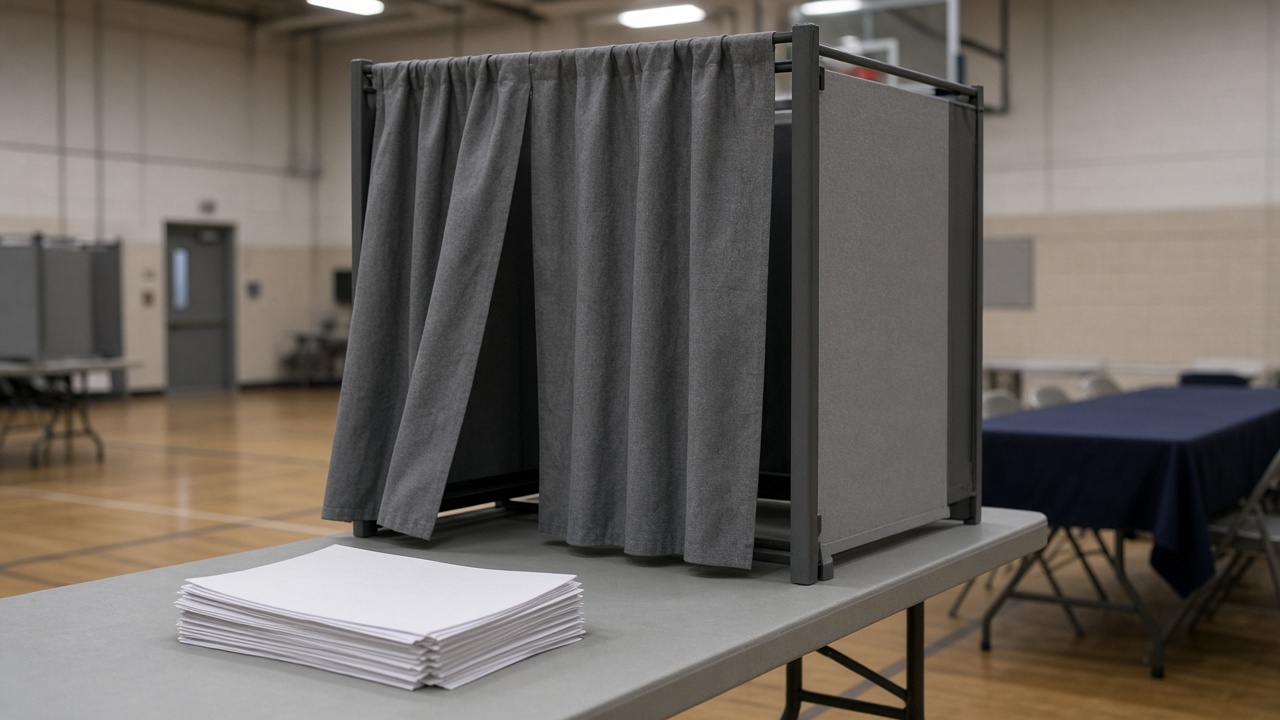
Lower-house elections ask Japanese voters to cast two ballots—one for a district candidate, one for a party in proportional blocs. Surveys consistently show proportional votes carry less meaning for citizens who treat them as a secondary endorsement. Packing three structural changes into one “take it or leave it” bundle makes that second ballot feel even more like an insider coupon. When parties simultaneously shrink the chamber and redraw bloc boundaries, citizens get less room to punish a faction without accidentally boosting another they dislike more.
Proponents argue merged blocs reflect population shifts and save public funds. Fair enough. But merged blocs also reduce the chance that a regional issue—Seto Inland Sea shipping, Shikoku bridge tolls—finds a dedicated proportional champion. Voters in Matsuyama and Hiroshima may share macroeconomic concerns yet differ on infrastructure priorities; a unified block encourages national talking points, not local accountability.
Unified lists and party power
Unified proportional lists let party headquarters order candidates, weakening the ability of popular backbenchers to leapfrog insiders with personal vote totals. That may stabilize coalition math for Prime Minister Sanae Takaichi, yet it trades volatility for opacity. Younger lawmakers who built followings online could be buried below veterans rewarded for loyalty during farm-minister scandals or bond debates. Innovation Party voters who wanted entrepreneurial voices may discover the package entrenches incumbents across the board.
Electoral reform should widen competition, not merely split the difference between 45 and zero seat reductions. If the goal is fiscal discipline, publish staffing studies showing which ministry functions duplicate prefectural work. If the goal is fair representation, show simulations of how merged blocs change seat probabilities for opposition parties. Tuesday’s headlines offered seat counts, not those tables.
Why timing matters
Parties want a deal before local election seasons heat up and before Takaichi travels to summits where domestic gridlock becomes a talking point. Rushing invites regret: Italy’s past electoral rewrites produced years of litigation; Germany’s reforms took multiple cycles. Japan has time to run citizen assemblies—if leaders trust voters with details instead of packaging them for party councils.
Opposition Constitutional Democratic Party members who oppose the 31-seat cut should present their own maps, not only criticize LDP math. Voters deserve alternatives, not filibusters. Citizens who support smaller government should ask whether cutting seats without cutting cabinet portfolios actually saves money, or merely reduces backbench oversight.
Editorial verdict
Passing a tidy package is politically tempting. It is also a missed opportunity to explain why proportional votes still matter in an aging, regionally unequal country. Unless parties release modeling and allow phased implementation, the October deal will look like another boss-level bargain—legal, perhaps, but corrosive to the habit of reading both ballots carefully.