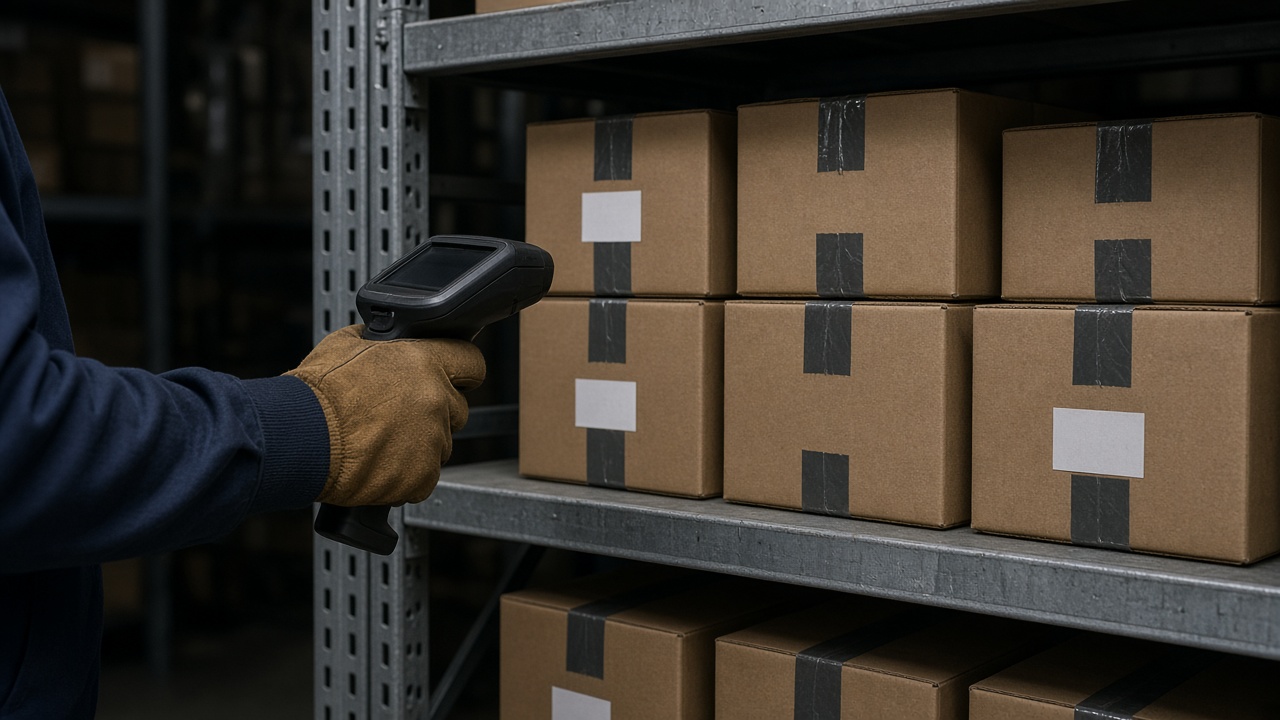
InfoHandle Editorial — Hardware wallets promise that private keys never touch the internet, yet police disclosures this week show that promise collapses when a reseller opens the box first.
Two Singapore victims lost about S$3.5 million after buying Ledger devices implanted with extra chips that copied recovery phrases. The failure was not cryptography; it was custody before the customer even powered the device on.
Trust chain beats technology
Regulators have spent years warning about phishing links and fake investment chats. Tampered hardware shifts fraud upstream to shop shelves and parcel rooms, where consumers assume shrink-wrap equals authenticity. Manufacturers can suspend regional sales—as Ledger did across Southeast Asia—but that leaves buyers holding units of unknown provenance.
Policy responses that focus only on user education miss the point. If a S$200 gadget can drain life savings, point-of-sale verification and distributor liability must match the risk.
What should change
Retailers should publish serial verification steps beside price tags, and insurers ought to treat seed phrase entry on a compromised device like signing a blank cheque. Until then, buying hardware from a discount mall kiosk is gambling, not security.
Singapore’s scam fight has improved on digital channels. Supply-chain fraud is the next test, and it will not be solved by another poster about not sharing OTPs.
Retail accountability
Mall operators may need tamper-evident cabinets for high-value crypto accessories the way phone shops lock display units.
Manufacturers rushing regional restocks should pair serial checks with in-app verification so buyers confirm firmware before transferring coins.
Until then, treating seed phrases like ATM PINs is necessary but not sufficient—the box itself must be trusted.
Parliament has tightened scam penalties, but supply-chain tampering sits between product safety and fraud statutes; expect agencies to coordinate on recall powers if more implants surface.
Consumers who already moved coins off compromised devices should still file police reports so investigators can map reseller networks.
Banks offering crypto custody to wealthy clients already demand insured logistics; retail buyers deserve the same chain-of-custody standards without paying private-banking fees.
Until regulators set them, the editorial desk’s advice is blunt: buy direct from the manufacturer or wait.
Education campaigns that treat crypto like speculative trading miss the retirees who bought hardware believing it was as safe as a fixed deposit locker.
Consumer associations could publish reseller whitelists the way authorised mobile dealers are listed today.
That gap is what today's policy debate must finally address.