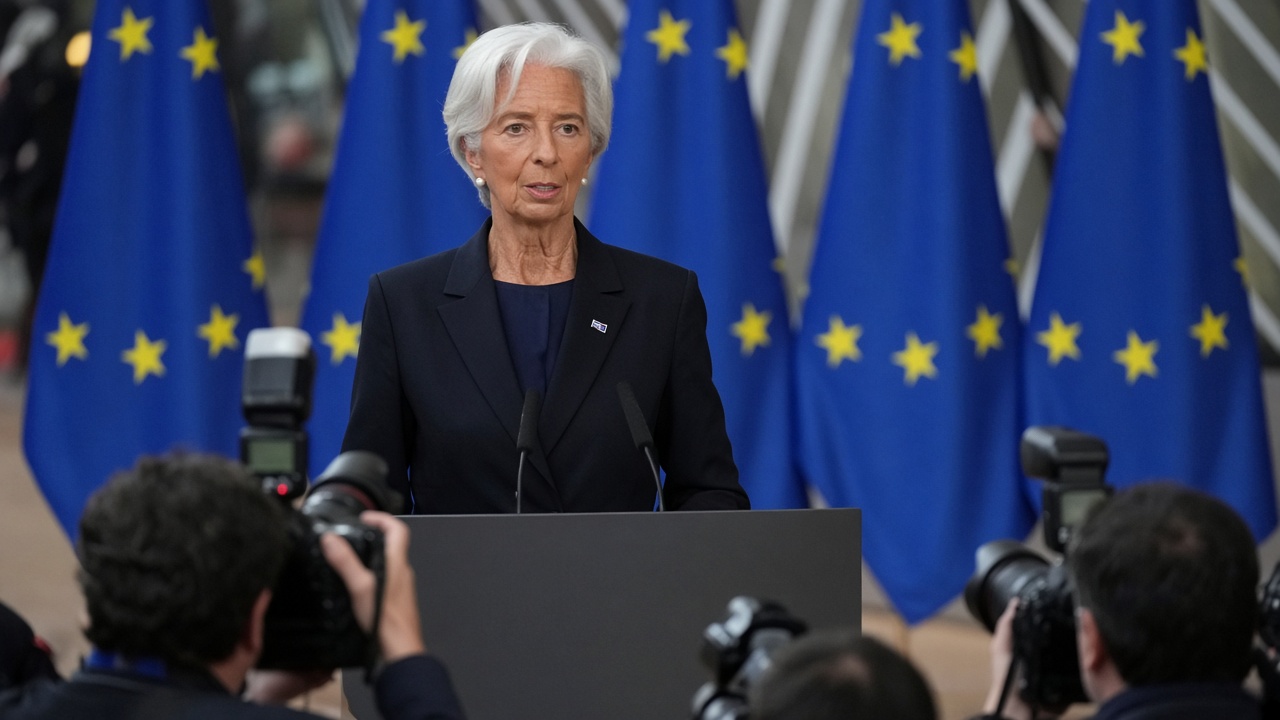
European Central Bank President Christine Lagarde informed the governing council on Thursday that she will step down on 7 February 2027, roughly nine months before her eight-year term was scheduled to end on 31 October 2027. The ECB said Lagarde also notified European Council President António Costa, who pledged to start the Article 283 nomination process immediately so the euro area can install a successor without a leadership vacuum.
What the bank said
In a short press release dated 29 October, the ECB said the governing council thanked Lagarde and gave her a long standing ovation after she disclosed her timing. The statement did not cite personal reasons or a single triggering event; instead it framed the date as her chosen handover point ahead of a busy 2027 calendar for the currency bloc. Costa, in a separate statement, credited Lagarde with steering the bank through the pandemic, Russia’s invasion of Ukraine, energy shocks and the inflation surge that pushed euro-area price growth above 10 percent in 2022.
Why the timing matters
An early exit compresses the politics around who runs monetary policy in Frankfurt. AP reported that European leaders may now pick Lagarde’s replacement before France’s presidential election cycle intensifies next year, when Paris’s fiscal pressures are already drawing market scrutiny. CNBC noted that Chief Economist Philip Lane and executive board member Isabel Schnabel are also due to leave in 2027, meaning the council that sets interest rates for the 21 euro members could see simultaneous turnover at the top.
The succession map
Reuters and CNBC both pointed to former Dutch central bank governor Klaas Knot and former Bank of Spain chief Pablo Hernández de Cos as frequently mentioned contenders, with Bundesbank President Joachim Nagel and European Investment Bank head Nadia Calviño also in the conversation. Under EU treaty rules, euro-area heads of state nominate a candidate; the European Parliament holds hearings before the European Council appoints the president by qualified majority. None of those names is confirmed, and officials stressed that bargaining among capitals has barely started.
Policy continuity questions
Lagarde’s announcement landed on the same day the ECB was preparing to publish its latest monetary policy decision, leaving traders to separate the leadership news from the rate path. The bank has been easing after the 2022–2023 tightening cycle, but services inflation and wage data still shape the debate inside the council. Analysts said a new president arriving in February 2027 would inherit that calibration fight just as other major central banks may be adjusting their own forecasts for growth and prices.
What happens next
Costa said the European Council acting in its euro composition will seek a timely appointment. National governments must agree on a nominee acceptable to a qualified majority, while the Parliament’s economic committee prepares scrutiny hearings. Lagarde remains fully in charge until 7 February 2027, and the ECB said day-to-day operations continue under existing mandates. Investors will watch whether capitals treat the job as a technocratic pick or as part of a wider package that also fills the chief economist and board seats opening next year.