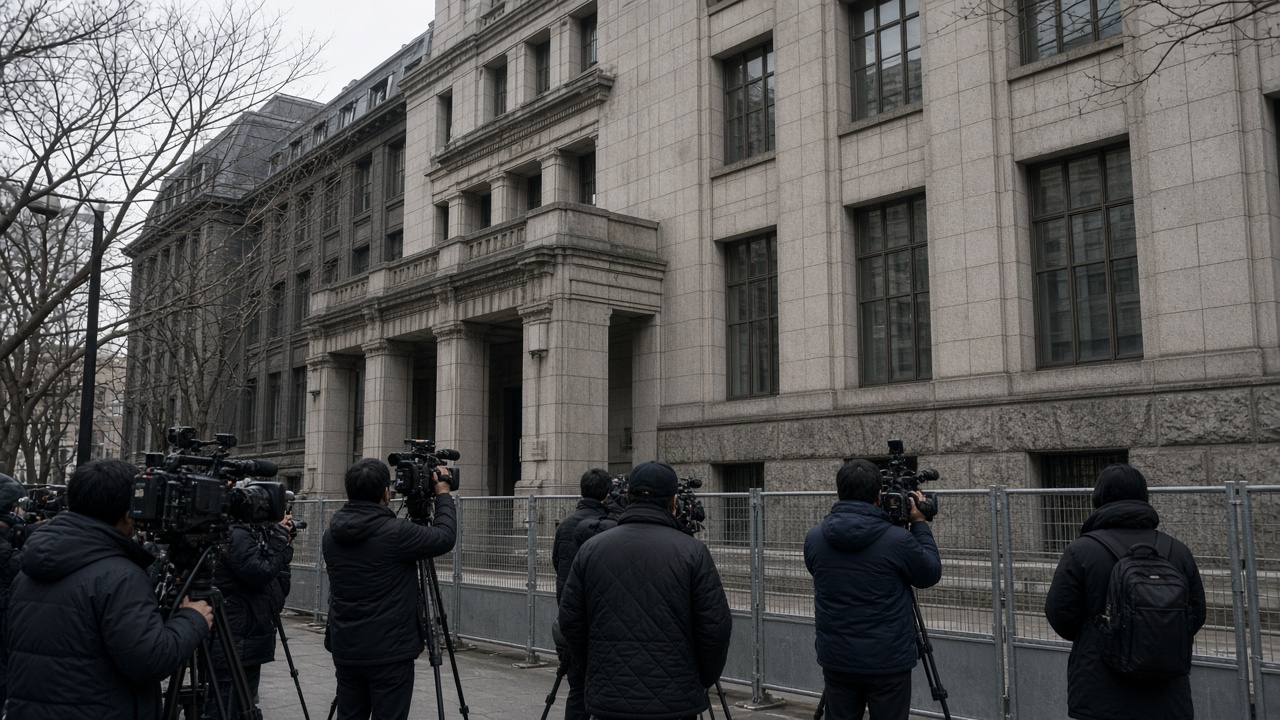
Washington’s social feed is not Tokyo’s rate calendar: when U.S. Treasury Secretary Scott Bessent posts about orderly yen moves and joint monitoring with Japan, markets react—but only the Bank of Japan’s policy board, led by Governor Kazuo Ueda, sets whether December brings another hike. Treating Bessent’s timeline as a proxy for BOJ action confuses FX diplomacy with domestic mandate, and it invites Prime Minister Sanae Takaichi’s fiscal expansion to be misread as a green light for premature tightening or, worse, as proof that the board has lost independence.
What Bessent’s posts actually do
Bessent’s remarks this week landed alongside a firmer yen and softer U.S. yields, giving currency desks a narrative for repositioning before the October policy meeting. That is useful context for exporters and life insurers marking books in Tokyo. It is not a substitute for the board’s quarterly outlook report, wage negotiation trackers, or consumption data the BOJ cites when it moves. Social posts can move options skew in an afternoon; they cannot replace the published schedule of MPM dates Ueda’s staff already locked for the year.
Foreign-exchange intervention talk and “orderly market” language belong to MOF and Treasury channels, not to the BOJ’s price-stability mandate. When traders map Bessent’s tone directly onto December hike odds, they compress two governments’ tools into one bet—exactly the shortcut Ueda warned against when he said each institution must keep its lane.
Why the board’s independence still matters
Ueda has framed gradual normalization around sustained inflation and real wage growth, not Washington’s preferred yen level. Board members who dissented in prior votes did so on domestic slack and service-price persistence, not on Bessent’s feed. If markets price December purely from U.S. rhetoric, they ignore the board’s own forward guidance and the summary of opinions that will follow October’s unchanged decision.
Takaichi’s supplementary budget rhetoric and tax-panel debates add fiscal noise: coordination is real when bond supply and growth expectations shift, but coordination is not command. The BOJ must not hike because a Treasury post implied yen stability, nor hold because the prime minister wants cheap borrowing for public works. Independence is tested in that gap.
Strongest counterargument
Some argue that in a dollar-centric system, U.S. fiscal voices inevitably constrain BOJ timing, so pretending otherwise is naive. Even if Washington’s preferences weigh on MOF intervention choices, the legal trigger for policy rate moves remains domestic inflation and financial stability assessments voted in Tokyo. Conflating the two makes it harder for households to understand why deposits earn more while mortgages reset.
What readers should watch instead
Watch the October meeting statement, Ueda’s press conference on real wages, and December’s Tankan and wage survey prints—not retweet counts. Watch whether Takaichi’s fiscal packages come with explicit debt ceilings that bond markets believe. Bessent’s posts are weather; the BOJ calendar is climate. Tokyo sets the latter.
Retail investors who trade BOJ week through mutual funds deserve the same clarity institutional desks get from published MPM timetables—not a second narrative imported from Washington’s timeline.