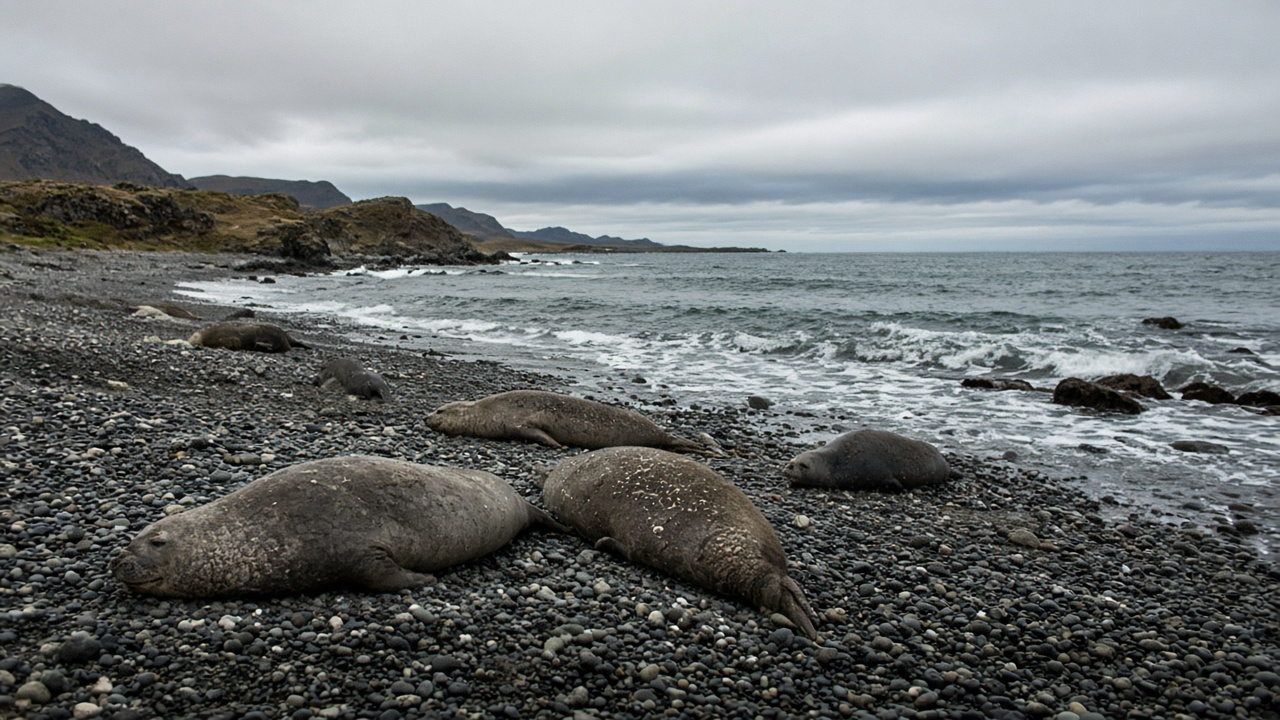
Australian Chief Veterinary Officer Dr Beth Cookson confirmed H5 high-pathogenicity avian influenza in samples from an elephant seal and a kelp gull on Macquarie Island, the first detection on the sub-Antarctic territory administered as part of Tasmania.
Remote detection
Testing at CSIRO’s Australian Centre for Disease Preparedness validated the results from material collected on the island, which sits roughly halfway between Antarctica and Tasmania and hosts large wildlife colonies with limited human presence. Cookson said the findings will be recorded in Tasmania’s official H5 reporting even though the island has no poultry industry.
There is no evidence of mammal-to-mammal transmission associated with H5 in Australia, and the human health risk remains low according to the agriculture department.
Biosecurity context
H5 has appeared elsewhere in the Australian environment this year, but Macquarie Island’s isolation makes this event notable for ecologists monitoring seabird and seal populations. Researchers are asked to report sick or dead wildlife without handling carcasses, using the 1800 675 888 emergency animal disease hotline.
Research stations
Australian Antarctic Division personnel follow strict biosecurity protocols when moving between the island and mainland ports. Extra surveillance will likely continue through the southern summer tourist and resupply season even though visitor numbers are tightly capped.
Wildlife managers said seal breeding colonies could face stress if mortality clusters emerge, but it is too early to quantify population impacts from a single confirmation.
What comes next
Federal and state agencies will coordinate sequencing to compare the Macquarie virus with strains detected on the mainland and in Antarctica. Poultry producers on Tasmania proper remain unaffected, yet industry groups said the news reinforces need for farm-gate hygiene as migratory birds move across latitudes.
International reporting
Because Macquarie Island falls under Tasmanian administration, notifications will flow to World Organisation for Animal Health channels alongside mainland poultry updates even though no farm stock is affected.
Antarctic tour operators said itineraries already minimise landings near wildlife colonies; extra briefing notes will be issued for the 2026–27 season departures from Hobart.
Ecological monitoring
Long-term seal census programs run by the Antarctic Division will compare pup counts this season with prior years to detect any mortality signal tied to avian influenza rather than food availability alone.
Sample handling
Field teams used biosecurity kits shipped from Hobart to collect specimens without cross-contaminating breeding beaches. CSIRO ACDP protocols require duplicate testing before chief veterinary officers sign public confirmations.
Veterinary coordination
Tasmania’s chief veterinary officer will host a briefing for mainland poultry exporters next week to explain that Macquarie detections do not trigger automatic trade suspensions for Tasmanian chicken meat, which ships under separate biosecurity certificates.