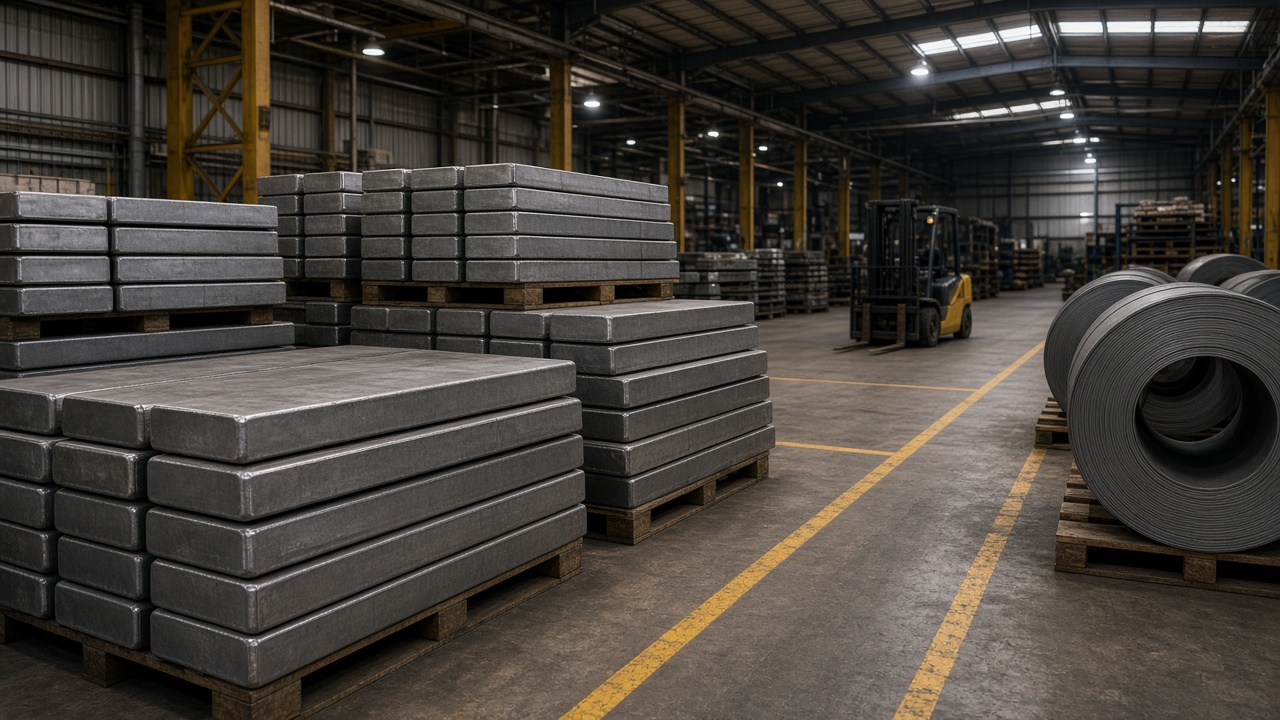
The Export-Import Bank of Korea suspended new guarantee approvals for a Seoul-based commodity trading house Friday after auditors found duplicated warehouse receipts tied to nickel and copper shipments, the policy bank said in a statement.
About 240 billion won in pending applications—mostly short-term export bills and buyer’s credit lines—will remain on hold until a forensic review finishes, likely in mid-November. Existing guarantees already issued stay in force, but the bank barred rollovers until collateral is re-verified.
How the duplication surfaced
A partner bank flagged mismatched serial numbers on receipts presented for two different financings last week, triggering Eximbank’s internal alert system. Investigators said the trading firm used the same stored-metal certificates to support loans from more than one lender, a pattern reminiscent of Qingdao port fraud cases that hit Korean banks a decade ago.
The trader’s name was withheld pending prosecution review, but regulatory filings show it reported 1.9 trillion won in revenue last year with heavy exposure to Indonesian nickel intermediaries.
Exposure across the system
Commercial banks that co-financed shipments estimated combined exposure near 610 billion won, though much of it is hedged with letters of credit from overseas buyers. The Financial Supervisory Service asked lenders to classify the exposures as special-mention loans until collateral audits conclude.
Eximbank emphasized that taxpayer-backed guarantees cover only a fraction of the total—roughly 180 billion won outstanding—because private banks took first-loss positions on several facilities.
Policy response
The Ministry of Economy and Finance said it will tighten electronic receipt registration on the Korea Exchange’s warehouse platform starting December, requiring real-time barcode scans before guarantees are approved. Trading houses with more than 500 billion won in annual turnover must also submit third-party inspections quarterly.
Opposition lawmakers called for a parliamentary hearing, arguing that fast growth in commodity finance outpaced supervision after the global metal rally in 2024.
Market reaction
Shares of major trading affiliates finished mixed Friday, with investors distinguishing between firms with transparent inventory audits and those reliant on short-term receivables financing. The won was little changed against the dollar, suggesting FX desks view the freeze as contained unless prosecutors widen the probe.
Investigation scope
Prosecutors said they opened a formal inquiry but have not charged individuals, citing the need to trace warehouse operators and collateral agents involved in receipt registration. Eximbank’s statement attributed the duplicated receipts to the trading house under audit rather than alleging a broader industry scheme.
Commodity exchanges in Busan and Incheon said they would run emergency audits on nickel and copper stacks linked to the trader’s filings, cooperating with police requests for barcode logs.