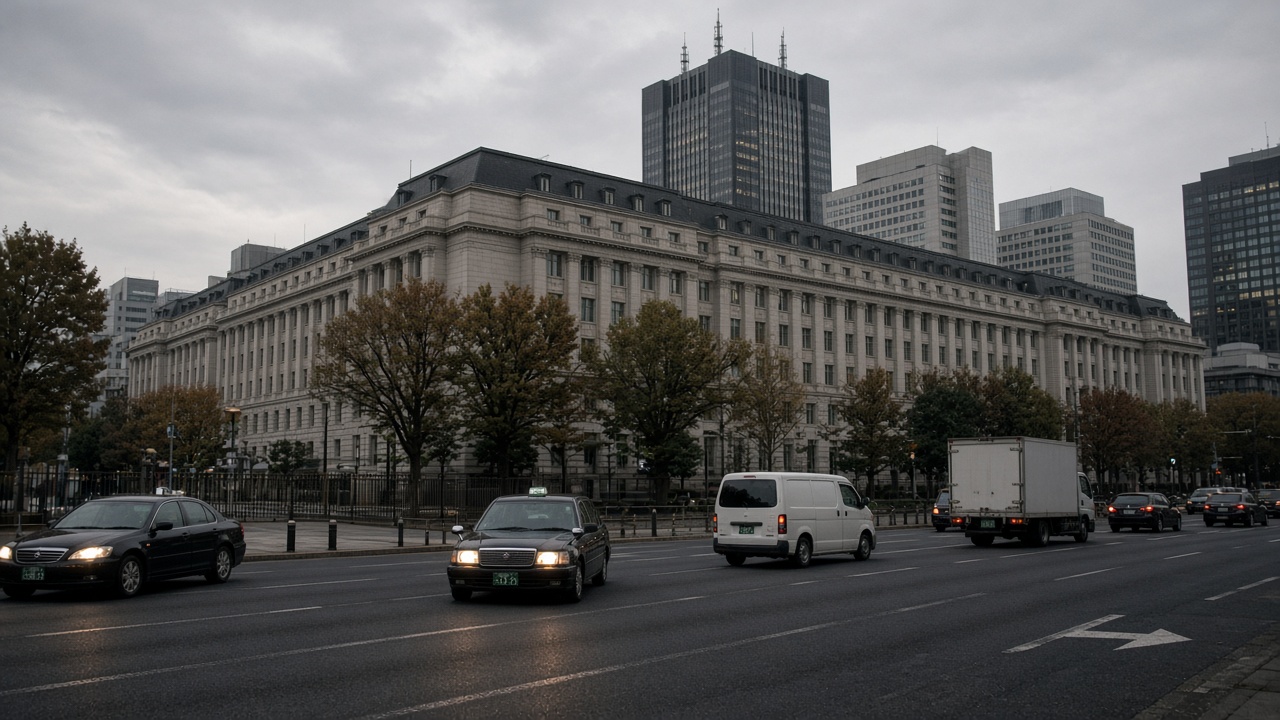
Japan's Foreign Ministry said Friday that unauthorized actors accessed an external-facing segment of its network, potentially exposing about 3,600 records containing names and email addresses, including 900 belonging to people outside the ministry, as All Nippon Airways and Ryohin Keikaku, operator of the Muji brand, disclosed related intrusions in a widening corporate breach wave.
The ministry did not identify a suspect group or tie the incident to any single nation-state, but the disclosure landed on the same day Foreign Minister Toshimitsu Motegi pressed Russia to release a detained Japanese journalist during a Group of 20 foreign ministers meeting in Georgia. Officials said Motegi's team is continuing consular work while IT staff isolate affected systems and notify individuals whose contact data may have been copied.
What the ministry confirmed
According to the Foreign Ministry statement carried by Kyodo News, the compromised environment connects to systems that communicate with outside partners rather than the most classified diplomatic cables. Roughly three-quarters of the potentially affected records involve ministry personnel or contractors; the remainder cover external contacts whose details were stored for routine correspondence.
Spokespersons said there is no evidence at this stage that encrypted telegrams or visa-application databases housed on separate networks were reached. They cautioned that forensic reviews are incomplete and that the final count of exposed records could change as log analysis continues through the weekend.
ANA, Muji operator and the wider pattern
ANA Holdings reported unauthorized access affecting customer-facing systems, though it has not published a final number of passengers impacted. Ryohin Keikaku said it detected suspicious activity on e-commerce infrastructure linked to the Muji online store and has temporarily tightened authentication for staff accounts.
Japanese media have grouped the disclosures with earlier reports this week of attempted breaches at other large firms, raising questions about whether a common vulnerability—such as a widely used remote-access tool or stolen contractor credentials—enabled multiple intrusions. The Personal Information Protection Commission can order on-site inspections when leaks cross statutory notification thresholds, but the commission had not announced a formal probe by Friday evening.
What agencies and firms must do next
The Foreign Ministry said it is resetting credentials on the affected external network, patching identified entry points and mailing notices to individuals whose data may have been taken. Diplomatic posts abroad were told to use alternate channels for sensitive scheduling until IT completes verification.
For ANA and Ryohin Keikaku, customer notification obligations under Japan's amended privacy law could trigger helplines and credit-monitoring offers if investigators confirm identifiable passenger or shopper data left company control. Motegi's demand in Atlanta for the journalist's release will proceed on separate tracks from the cyber response, but opposition lawmakers in Tokyo already plan to question Chief Cabinet Secretary Yoshimasa Hayashi about whether ministry cyber hygiene kept pace with escalating digital espionage against government agencies across the region.