We should welcome the trade truce that pulled South Korea back from a punitive tariff cliff, but applause at the APEC host podium is not a substitute for parliamentary control of a multi-year investment bill.
Reports from the Lee Jae Myung–Donald Trump meetings describe a shift from a feared $350 billion upfront cash demand to a $200 billion installment plan over 10 years, with the remaining $150 billion reframed as financial guarantees for shipbuilding programs. That is real relief for foreign-exchange desks. It is not yet law.
Why the Assembly calendar matters
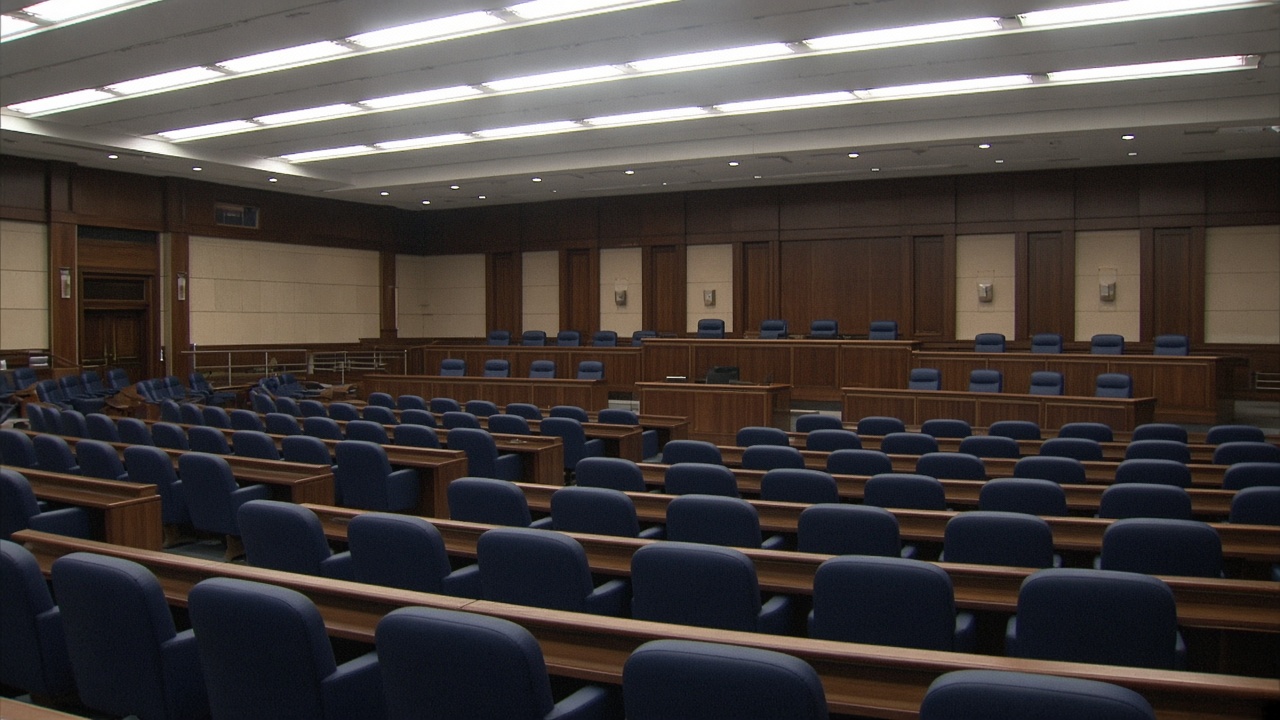
The ruling Democratic Party of Korea pledged to move a special investment bill quickly after the summit, possibly with retroactive effect from Nov. 1. The People Power Party insists on publishing the full text and holding a ratification vote. Both positions are compatible if the government stops dribbling summaries and files a complete annex.
Fiscal guardrails we need written in
Any bill should cap annual outflows, require competitive bidding for fund managers and subject guarantee lines to Board of Audit and Inspection review. Nuclear-powered submarine authorization is a separate strategic debate; it must not ride through on the same fast-track motion without a defense committee hearing.
Installments buy time; they do not erase obligation. If the Assembly skips scrutiny to match summit optics, it will repeat the mistake of opaque currency swaps during prior crises.
Our view
Pass the deal, but pass it with published terms, minority-party amendment rights and a sunset clause if U.S. tariff policy shifts again. Diplomatic success and democratic oversight should arrive together, not in sequence years apart.
Market participants said the story would stay in the headline rotation until regulators and companies publish hard numbers rather than summit-stage talking points.
Analysts cautioned that one session’s momentum can reverse quickly if overnight U.S. tech earnings disappoint or if the won swings on trade headlines.
Retail investors should watch Friday volume and foreign flow data on the Korea Exchange website when planning next week’s orders.