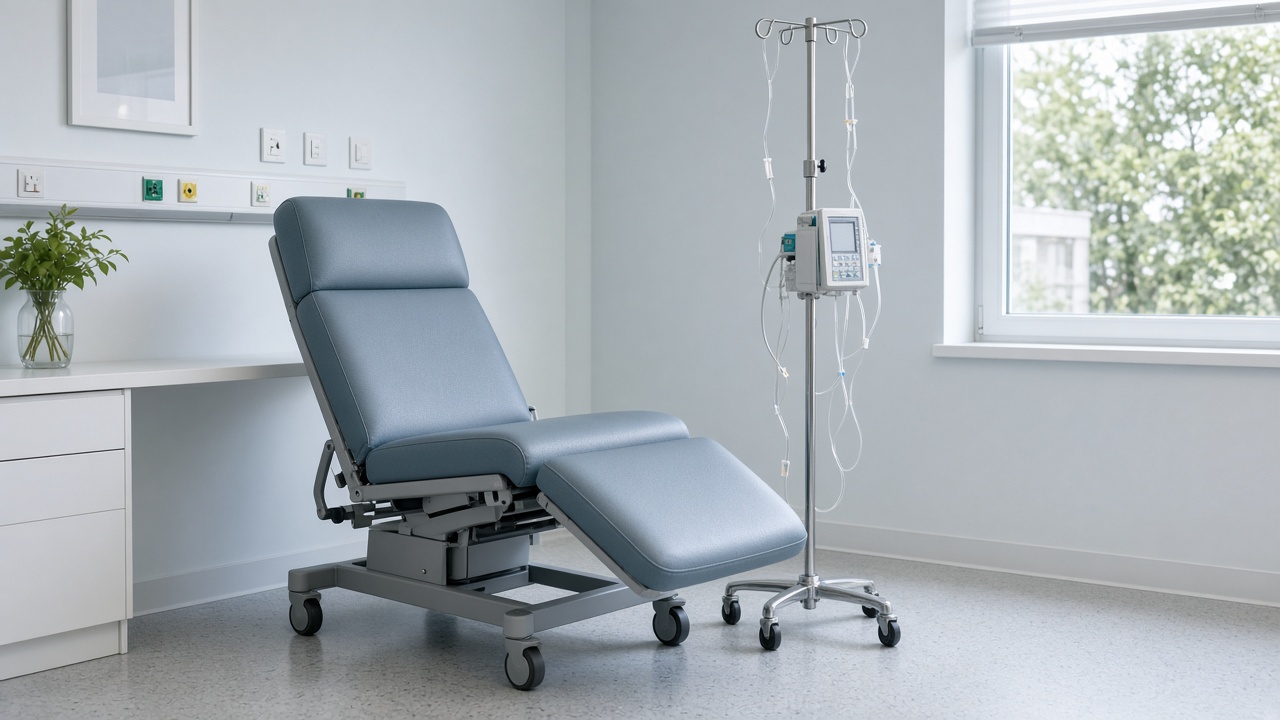
The health ministry expanded public insurance coverage for lecanemab to 820 additional municipalities Sunday, letting patients with early Alzheimer’s disease receive the antibody at closer infusion sites after revised MRI monitoring rules eased hospital bottlenecks.
Who qualifies now
Coverage still requires amyloid-positive PET or spinal-fluid tests and a companion caregiver who can report side effects. Patients must start treatment while still in mild cognitive impairment or very early dementia stages, with Mini-Mental State Examination scores above the ministry threshold.
The new municipality list includes midsize cities in Tohoku and Shikoku that previously sent patients to prefectural capitals weekly—a burden that discouraged enrollment when the drug launched last year.
Why rules changed
Early rollout concentrated infusions at university hospitals that could perform frequent MRI scans for amyloid-related imaging abnormalities. Rural neurologists argued the requirement overloaded scanners and delayed treatment starts by months.
The ministry now allows designated clinics to alternate MRI with shorter tau-sensitive sequences every six weeks if patients show stable labs—a compromise endorsed by the Japan Geriatrics Society after a summer safety review reported low edema rates in domestic cohorts.
Cost and capacity
Public insurance pays most of the drug’s price, leaving patients with ten to twenty percent copays that still reach six figures yen annually. Supplementary municipal programs in Osaka and Kanagawa offset part of the copay for low-income seniors.
Eisai, which co-markets lecanemab as Leqembi with Biogen, said it will ship vials to forty-two new infusion partners by mid-November. Nurses must complete a one-day certification course on infusion reactions before sites go live.
Patient advocacy response
Groups representing dementia families welcomed the expansion but pressed for clearer guidance on stopping criteria when patients progress to moderate stages. They also want telehealth cognitive checks between infusions to reduce travel for elderly couples in snow country.
Some physicians remain cautious, citing limited long-term data on Japanese patients with higher average ages than U.S. trial participants. The ministry promised a registry report every six months with edema and hemorrhage counts.
What families should do next
Primary-care doctors can refer suspected cases to memory clinics on the updated list published on the MHLW website Sunday night. Waiting lists in Tokyo remain long, but several Nagoya and Fukuoka sites reported same-month intake appointments after the rule change.
Families should confirm whether local governments added copay subsidies in this fiscal year’s supplementary budgets—many debates conclude during November municipal assembly sessions.
Training pipeline
Medical societies launched weekend courses for nurses transitioning from oncology infusion units to neurology suites, hoping to staff new chairs quickly. Universities in Sendai and Kumamoto added optional dementia-care modules to physician residency tracks starting spring semester.
Without enough trained staff, expanded municipality lists could remain paper promises— a risk MHLW auditors flagged in internal memos leaked to trade press last month.
Imaging backlog
Tokyo university hospitals still report six-week waits for baseline MRIs, pushing some patients to private clinics that charge out-of-pocket fees for slots the ministry does not reimburse. Advocates want a separate public fund for diagnostic imaging, not just drug infusions.