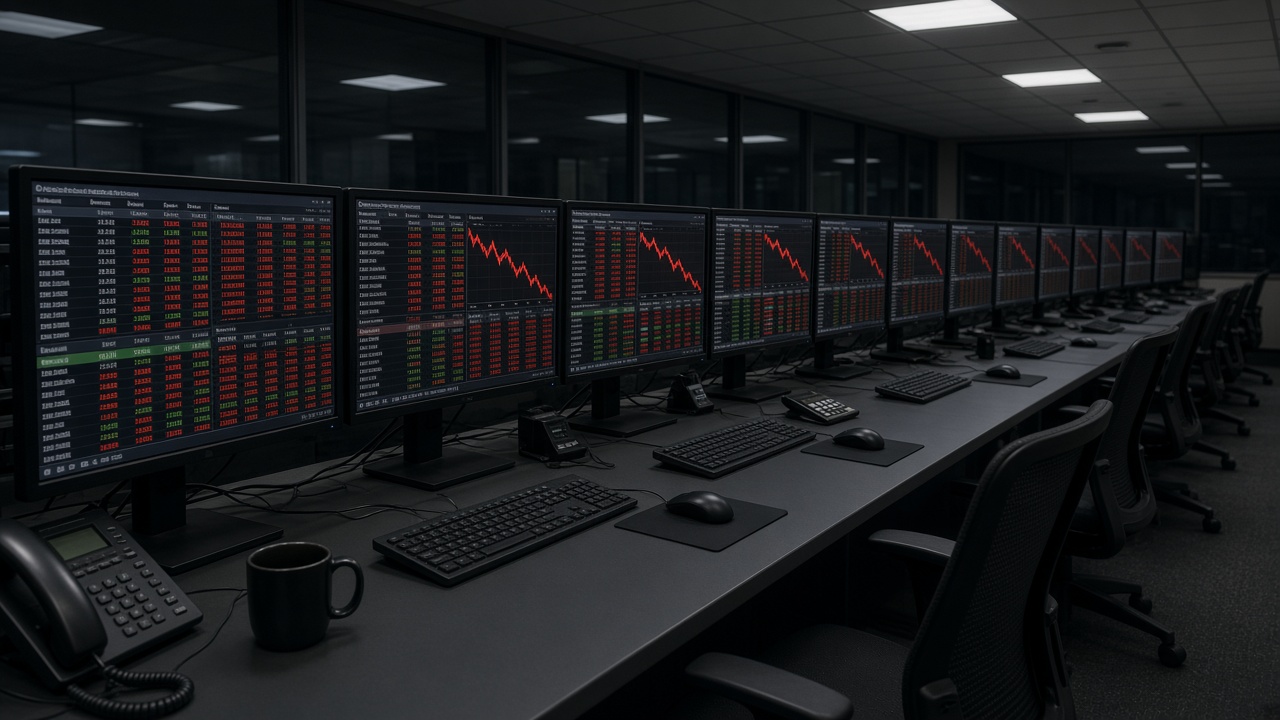
We think Friday’s limit-down finish in Delta Electronics and the cascade through passive-component names says more about how Taiwan prices logistics and power margins than about a sudden break in artificial intelligence demand. Treat the session as a margin and inventory story until October revenue filings prove otherwise.
What the tape actually showed
The TAIEX’s October loss was already the worst on record before Delta hit the daily floor. Foreign investors were reducing exposure across factors, not exiting a single narrative. When a heavyweight supplier of rack power and thermal gear limit-downs, arbitrage desks sell anything that trades beside it in ETFs and risk models—even firms with different order books.
That is painful for shareholders, but it is not the same as a hyperscaler canceling a build. Delta’s after-hours filing said utilization remained high. The market’s message was about multiples and month-end flows, not a verified cut in server deployments.
Margin compression is the under-read
Power-supply and passive-component makers enjoyed a run-up on AI specifications, but copper, silver, and freight costs moved against them in the third quarter. Yageo and peers fell sharply without individual bad news because investors repriced how much margin expansion is left once spot prices stop cooperating.
Optical and cable names sold off too, even though their bull case was partly separate. That breadth suggests a factor unwind, not discrete research downgrades on each ticker.
What would change our view
Concrete cuts in 2027 capex guidance from U.S. cloud customers would matter. So would Taiwan revenue prints that miss on server power SKUs specifically. Until then, stabilization in foreign selling and a pause in U.S. yield spikes are cleaner indicators than stabilization-fund rumors or election headlines.
Commercial Times outlined four November tests for the index—mega-cap earnings, the U.S. election, oil, and local revenue. Those are the right benchmarks. Policy chatter about supporting the market does not replace them.
What boards should do
Issuers in the logistics lane should disclose inventory aging and pricing on the next calls instead of repeating AI slogans. Investors should demand that clarity before paying peak-cycle multiples again.
Taiwan still ships the hardware that trains and serves models. Friday hurt because the market had priced perfection into suppliers, not because the island stopped building racks. Read margins first; read hype last.
Issuers that transparently separate AI rack revenue from legacy lines will earn the next rerating. Everyone else will keep trading as beta to Delta’s daily limit flag—and that is a choice, not a mystery.