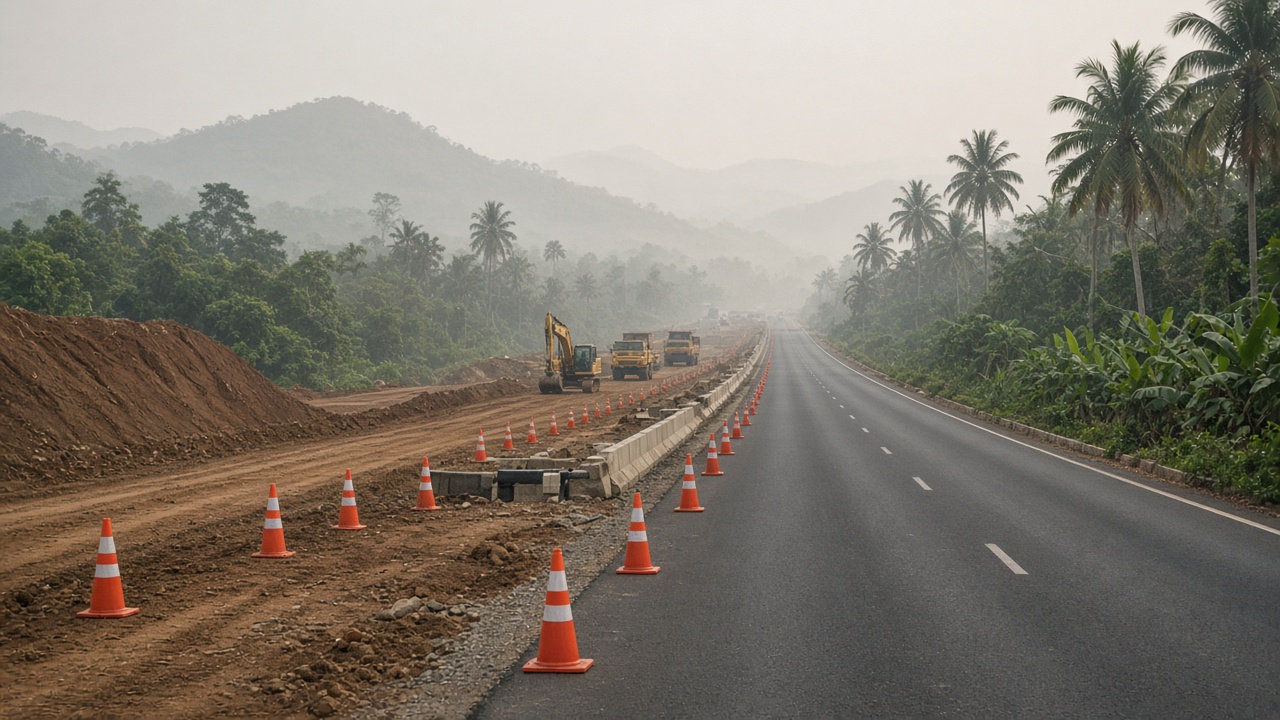
The Johor-Singapore Special Economic Zone won its headline number on Monday—RM88.83 billion in approved investments—but the zone will fail its jobs promise if planners treat Nexus Sedenak and cross-border transport as secondary slides in a Flower Field Hall deck.
We should welcome the inaugural ministerial committee: Singapore and Malaysia finally have a standing cabinet table for the zone instead of ad hoc press releases. Chee Hong Tat and Akmal Nasir did the necessary work of publishing MIDA-backed totals and membership rules. That transparency matters.
Headline versus ground truth
Leaders promised 20,000 skilled jobs within five years when they launched the zone in January 2025. Implemented projects employ 12,796 people—respectable, but not on pace. The gap is not investor appetite; it is conversion. Factories and data halls cannot hire at scale if power, roads and customs lanes arrive late.
Malaysia's Budget 2027 lines cite Nexus Sedenak as a supply-chain hub and pledge improved connectivity. Singapore's side emphasises regulatory alignment. Neither side, in Monday's public readout, attached hard completion dates to those packages.
What should happen next
The ministerial committee should publish quarterly implementation dashboards—not just approved dollars—with Sedenak road milestones, RTS Link hand-offs and Forest City financial-service pilots broken out separately. Without dated checkpoints, RM88.83 billion becomes a recurring talking point while households on both sides of the causeway judge the zone on commute times and hiring boards.
Singapore firms expanding into Johor need clarity on work-pass enforcement too; Monday's Changi probe shows how quickly labour fraud headlines can overshadow economic diplomacy.
Our view
The JS-SEZ is worth doing. It is not yet worth declaring a success. Bind the next ministerial meeting to infrastructure delivery evidence, not another cumulative investment total. Jobs follow concrete, not communiqués.
RTS Link as credibility test
The Rapid Transit System Link to Johor Bahru remains a separate megaproject with its own slippage history. JS-SEZ job targets assume people and goods can move without hour-long Causeway jams. Delaying Sedenak connectors while announcing RM88.83 billion approvals sends mixed signals to investors who model logistics costs first.
Singapore voters cannot directly punish Johor timelines, but they will judge their own ministers on whether the zone reduces congestion or merely rebrands it.
Reporting from Singapore desks on Monday evening noted that readers will see follow-up pieces when ministries release implementation dashboards; until then, the published figures and market closes above remain the best verified benchmarks for the day's news.
Editors will update online chips if agencies revise totals after market hours or if parliamentary answers add detail in the coming sitting week.