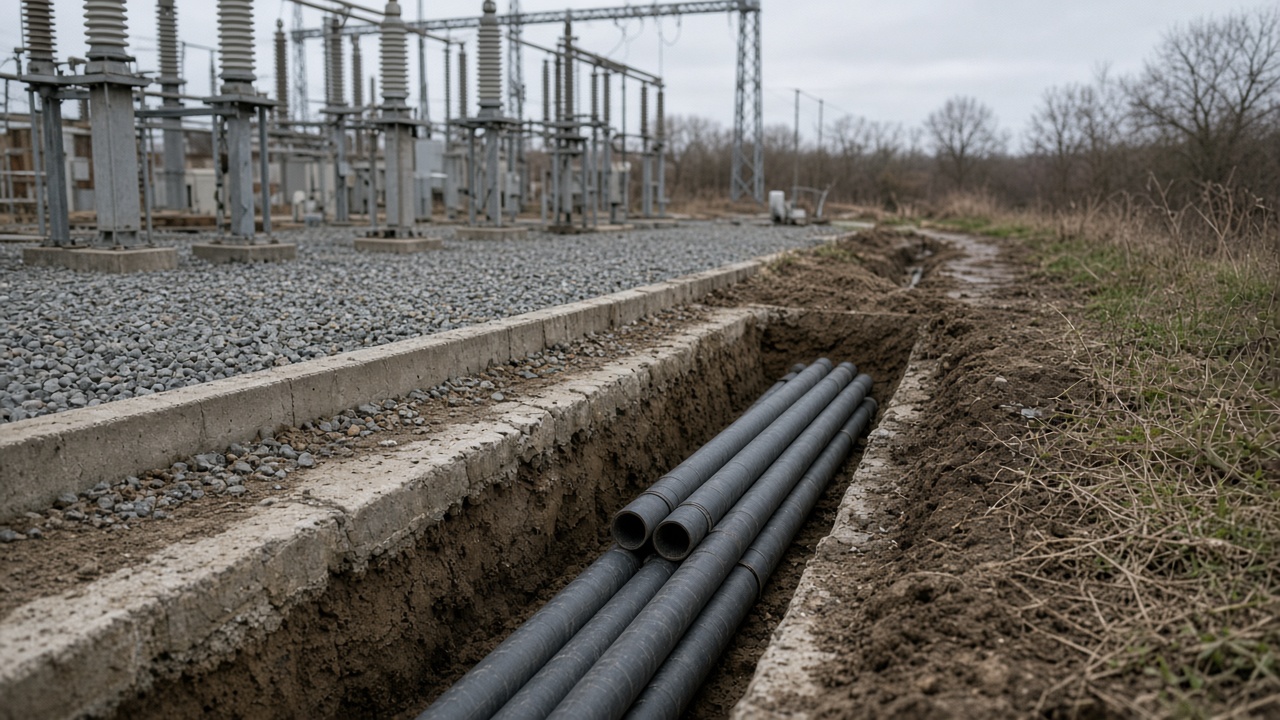
KT Corp is packaging megawatt-scale power agreements for artificial intelligence campuses together with decades-old fiber expansion lines in a single capital narrative, and the board should split those decisions before shareholders lose visibility into which bets actually earn returns.
The telecom operator last month signed conditional supply deals with regional utilities to reserve transformer capacity for GPU-heavy data halls in Gyeonggi Province. The same earnings slides touted nationwide fiber passings in rural counties—a legacy universal service obligation dressed up as synergy. Investors heard one combined capex figure; they did not get separate hurdle rates for electrons versus strands of glass.
Power is not a telecom side quest
AI data centers are grid events. A 100-megawatt hall can pull more steady load than a midsize factory town. KT is not a regulated utility; when it pre-pays for substation upgrades, it takes merchant risk on whether hyperscalers or sovereign AI tenants actually move in. Fiber builds, by contrast, still benefit from interconnection fees and government rural subsidies with clearer payback math.
Governance gaps investors should press
Korean listing rules let related-party transactions hide inside broad “facilities investment” buckets when management asserts strategic integration. KT’s integration story—that AI traffic will ride KT backhaul—may prove true, but it is not guaranteed. Tenants can bring their own carriers, and open-access data halls already do. Without split reporting, minority shareholders subsidize grid speculation every time fiber crews keep digging in counties with stagnant broadband take rates.
Pension funds holding KT have asked for scenario analysis: power reserved but unused, fiber built but bypassed, or both succeeding. Management answers with aggregate EBITDA targets, which obscures which line item failed.
Regulatory angle
The Ministry of Science and ICT encourages AI infrastructure, yet energy planners warn about winter peak load in metropolitan areas. If KT’s power pacts trigger wider industrial rate hikes, regulators will scrutinize who approved the contracts. Fiber overbuild attracts less backlash because voters recognize rural photos; substation upgrades do not make campaign slides.
A cleaner path
Split the P&L mentally even if accounts stay combined: treat power as a real-estate and energy venture with joint-venture partners, and treat fiber as the regulated-adjacent core. Publish sensitivity tables for occupancy delays. Give the board separate votes so dissenting directors can record objections when only one side of the bundle makes sense.
KT’s AI ambitions are legitimate; Korea needs domestic compute. Shareholders simply cannot price those ambitions when they are fused with fiber capex that would happen anyway. Unbundle the boardroom agenda, and the market can judge each bet on its own merits.
What separate disclosure would look like
Split reporting would show committed megawatts, energization dates, and break fees on power deals distinct from fiber passings and household connect rates. Investors could compare KT’s AI campus bids with neutral colocation operators who already publish occupancy and tariff escalators. Without that split, equity research defaults to treating all capex as telecom maintenance, understating merchant energy risk.
Credit rating agencies have begun asking similar questions in private meetings, according to two banking sources. If KT answers with bundled slides again, watch for wider bond spreads on the name even when headline earnings beat consensus.