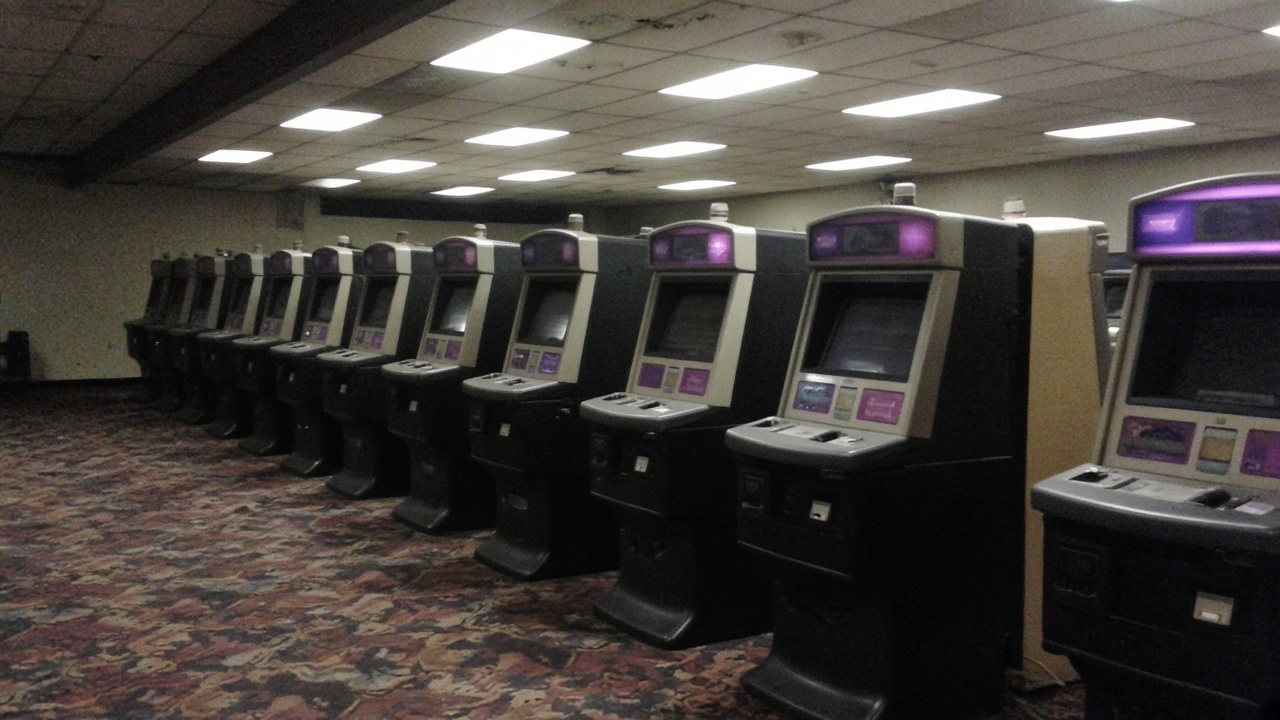
Entain shareholders breathed out when John Healey raised Machine Games Duty on high-stake slots to 25%, not the 40% whispered in trade press. We think that relief is real—but it should not be mistaken for fairness across Britain’s patchwork of gaming floors.
The chancellor’s compromise keeps the existing 20% rate on machines with stakes of £1 or less, shielding pub fruit machines and coastal arcades politicians photograph during recess. Machines above that threshold jump five percentage points from April 2027, concentrating pain on urban betting shops and casino operators whose revenues already track disposable income.
Who still loses
Rank Group and smaller listed operators face margin maths Entain can absorb across international online books. High-stake halls in the Midlands and north-west depend on a narrow customer base; a five-point duty rise is not catastrophic, but it arrives the same year banks pass through a temporary corporation tax surcharge to fund household energy cheques. The government is explicitly trading sectors.
Pub groups rightly celebrate the two-year business rates freeze. We supported that freeze because hospitality jobs are geographically distributed. The mirror image is that gaming taxes become a geographically concentrated levy on towns already hollowed out by online migration.
What Labour should do next
If ministers want “harm reduction,” duty is a blunt tool. Mandatory stake limits and slower spin speeds already sit in the white paper pipeline; they should land before the 2027 tax start date so operators can model footfall honestly. Using MGD solely to plug fiscal holes invites the next scare headline about 40% rates returning.
Investors priced Entain up double digits; we read that as a vote against worst-case tax. Parliament still owes workers in gaming venues a clearer path than alternating between relief rallies and duty scares every Budget cycle.
Regional jobs picture
Labour MPs in coastal constituencies campaigned publicly for low-stake machine protections; urban MPs representing city-centre betting corridors stayed quieter. That political map explains why duty curves split by stake size rather than flat increases.
Trade unions representing betting shop staff asked for retraining funds if footfall falls after 2027. The Budget did not earmark that spending, leaving operators to fund transitions voluntarily—a gap we think ministers should close before the duty rise takes effect.
Online migration
Remote gambling already captures a growing share of operator revenue. Higher MGD on physical machines may accelerate closures unless online taxes move in tandem. Treasury officials promised a review of remote gaming duty bands in the next fiscal event; we will hold them to that timetable rather than celebrating Entain’s one-day pop.