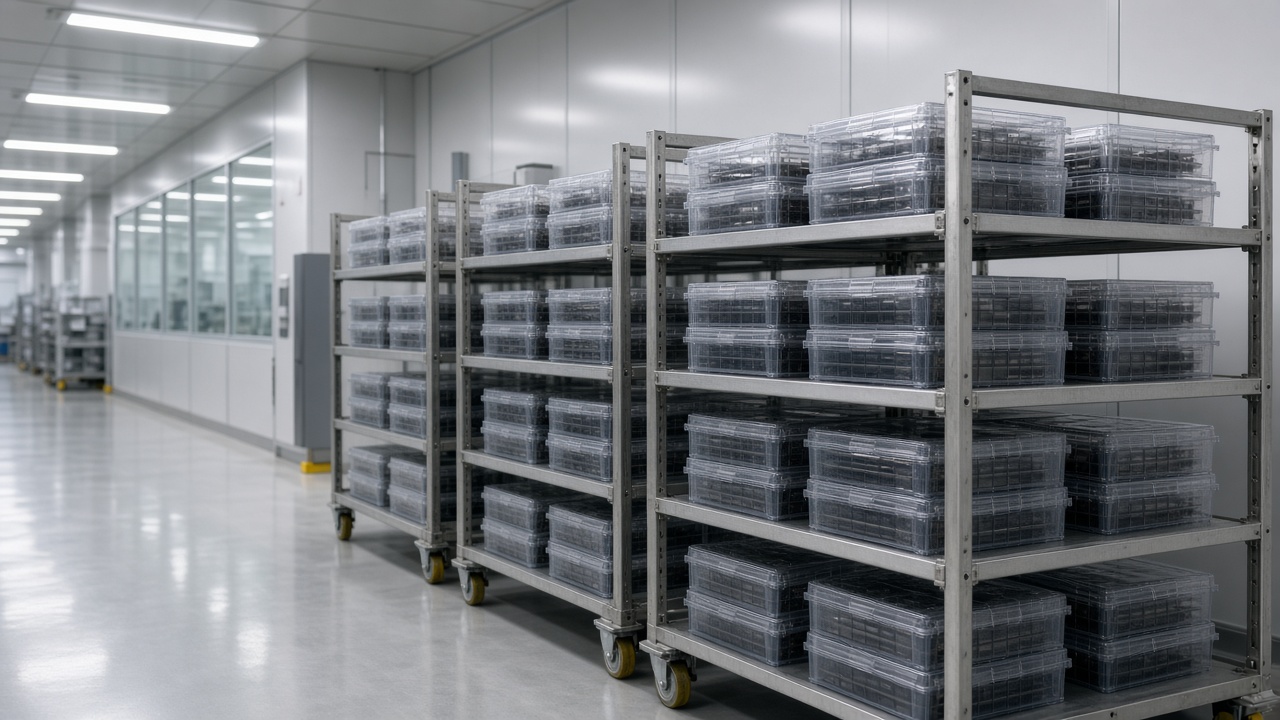
Micron Technology’s Taichung and Taoyuan fabs are paying out their strongest employee bonus envelopes in three years, and politicians will call that proof Taiwan’s memory renaissance is showering workers with shared prosperity. The checks are real. The implication that those checks mirror structurally fat Taiwan margins is not.
Bonus checks versus fab economics
High-bandwidth memory rush orders let Micron allocate profit to Taiwan entities while still booking substantial costs at the parent level for equipment depreciation and royalty flows. Workers see a spike because output per head rose faster than headcount during the HBM build-out. That is a cycle effect, not evidence that Taiwan fabs suddenly earn fatter spreads than Korean rivals on like-for-like DRAM.
Strip the one-time capacity bonuses tied to line bring-ups and the recurring margin story is tighter: power tariffs climbed twice in eighteen months, water recycling capex is mandatory, and local suppliers passed through nickel and cobalt resets on packaging materials.
What investors already know
Equity analysts separate Micron’s consolidated gross margin from Taiwan subsidiary filings, which carry different tax incentives and transfer-pricing footprints. TWSE peer comparisons show Taiwan memory subsidiaries reporting operating margins that move with parent allocation rules as much as with spot DRAM prices. Bonus pools flex with those allocations in good years—and contract sharply when HQ shifts capex back to Idaho.
Policy blind spot
Industrial policy treats Micron’s expansion as strategic insulation against supply shocks. Fair enough. But tying worker welfare narratives solely to bonus headlines lets ministers avoid harder questions: apprenticeship pipelines for displaced legacy DRAM lines, childcare for night-shift technicians, and whether HBM skill premiums persist when the current AI capex wave cools.
A clearer bargain
Celebrate the payouts workers earned on throughput records. Stop pretending those payouts are a durable barometer of Taiwan-owned margin capture. If the state wants shared upside, index a slice of incentive grants to local R&D headcount and supplier content—not to whichever quarter HBM ASPs spike. Micron’s Taiwan team deserves the bonus season it fought for. Policymakers owe them honesty about how thin the underlying spread really is.
Workers should not have to choose between cheering a paycheck and asking whether the next downturn freezes hiring while Idaho fabs keep hiring. Both questions can sit in the same conversation if ministers stop using bonus season as a substitute for industrial transparency.
Union representatives in Taichung said night-shift technicians still wait months for childcare slots near the fabs, a friction bonus headlines never address. Micron’s local HR portal added a queue tracker in October, but capacity growth lags the HBM staffing wave.
Supplier quality engineers noted that nickel-plating vendors passed through a twelve percent cost step-up in September, eroding packaging margins Micron’s Taiwan entities absorb before HQ sees them. That is the spread politicians skip when they equate worker checks with fab profitability.
If Taiwan wants honest industrial policy, pair bonus celebrations with published local operating margins and capex per head—not just parent-level press releases tuned for Boise investors.
Taichung city council members from opposition parties asked whether Micron’s bonus pool correlates with local tax incentives renewed quietly in September; economic officials declined to link the two on record, citing ongoing negotiations.
Micron’s Taiwan communications team said it will publish a voluntary supplier spend breakdown in December, a transparency step workers requested after last year’s bonus season lacked detail on packaging subcontractors.