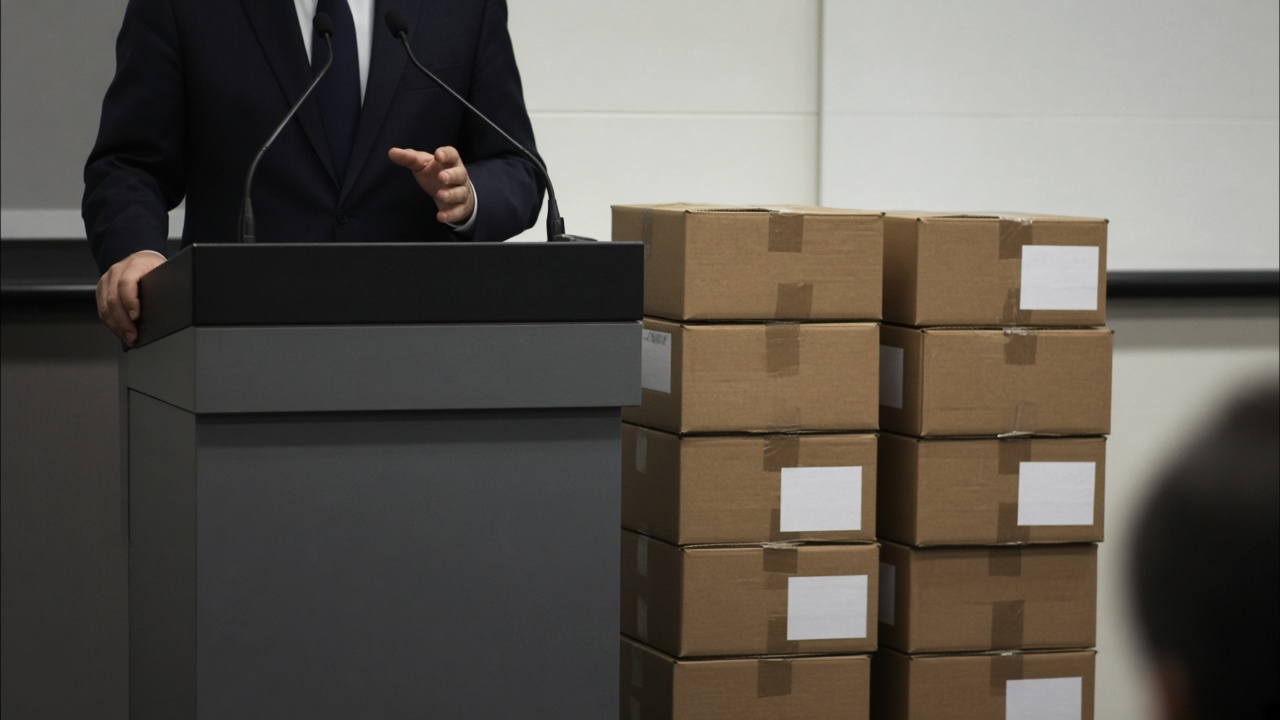
Japan’s National Disaster Management Agency began operations on Monday, giving the cabinet a single headquarters for earthquakes, tsunamis, and volcanic crises that have long been split across ministries. Disaster minister Koichi Hosono, who also leads reconstruction policy, issued a simultaneous “emergency request” urging households to stock at least three days of water and food, ideally a week, and to bolt down furniture that could crush occupants in a major shake.
The launch had been scheduled for months, but social media posts over the weekend falsely claimed the appeal signaled an imminent megaquake or even a third world war. Hosono told reporters in Tokyo that “there is no prediction information” behind the message and that the government wanted citizens to prepare because large disasters can overwhelm local responders.
What the new agency is supposed to do
Prime Minister Shigeru Ishiba sits at the top of the agency chart, with Hosono running day-to-day coordination among the Fire and Disaster Management Agency, the Japan Meteorological Agency, and prefectural governors. Officials said the body will run integrated drills for a Nankai Trough earthquake, a Tokyo metropolitan quake, and eruptions such as Mount Fuji, scenarios that previously produced overlapping—and sometimes conflicting—directives.
The agency also plans regional “disaster bureaus,” with locations to be chosen by summer 2027 and offices opening by July 2028, according to a cabinet office timeline released Monday. Hosono said the first bureaus would sit near ports and industrial corridors where damage would ripple nationally.
Why rumors spread abroad
Automated translations of Hosono’s October 30 briefing circulated in Thailand and among overseas Japanese communities, recasting a routine preparedness push as an evacuation order for Nov. 2. The Meteorological Agency reiterated that it cannot forecast the exact timing of earthquakes and that no special alert was in effect. A magnitude 4.7 quake near Yonaguni Island early Monday triggered standard emergency bulletins but no tsunami warning.
Hosono’s written appeal lists five tasks: seismic checks for pre-1981 homes, furniture anchoring, stockpiles including portable toilets, hazard-map review, and joining neighborhood drills. Municipalities from Hokkaido to Okinawa said they would amplify the message through loudspeaker tests this week without upgrading alert levels.
What happens next
Diet committees will scrutinize the agency’s first supplementary budget request in November, focusing on warehouse pre-positioning and satellite communications for isolated towns. Opposition lawmakers asked whether the emergency request would desensitize the public if repeated without a crisis; Hosono answered that Japan’s fatality rate in the 2011 tsunami showed gaps in household readiness that law alone cannot close.
Officials urged residents to verify information through the prime minister’s office and the Meteorological Agency accounts rather than reposting unverified clips. The agency’s English-language site went live Monday with the same stockpile guidance posted in Japanese.