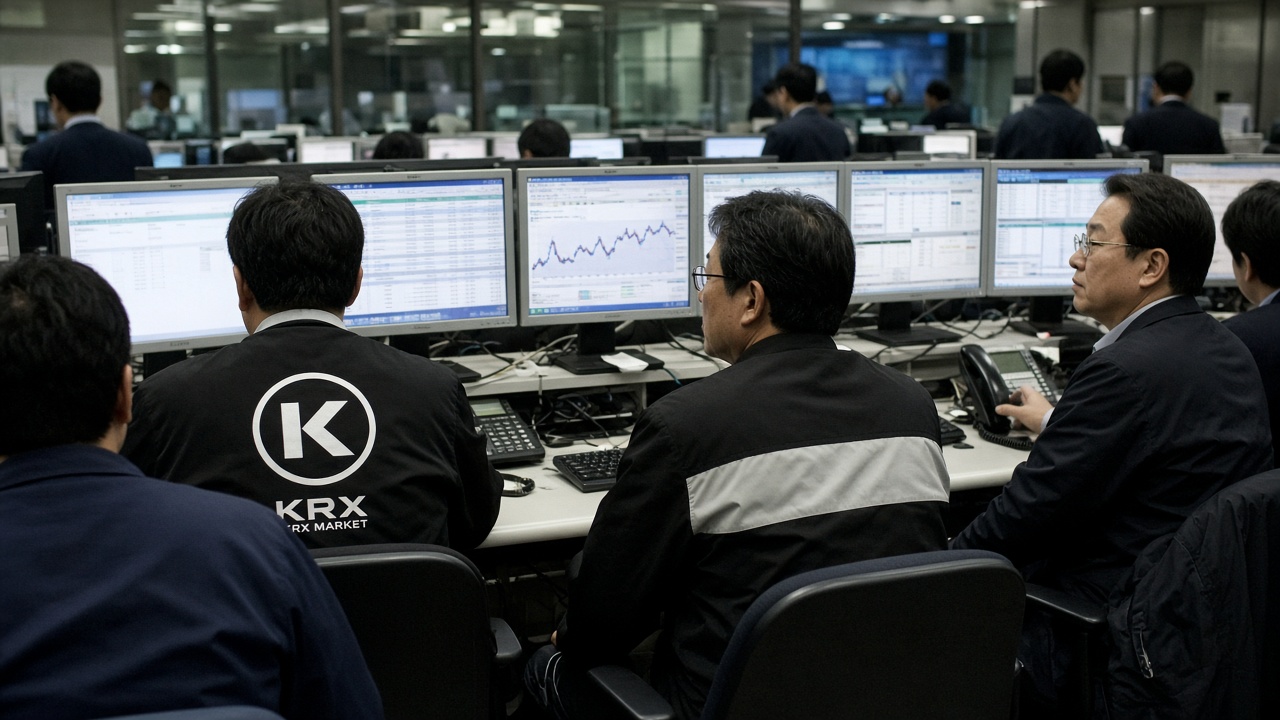
The Korea Exchange said Monday it will pursue a shift from two-business-day stock settlement to next-day settlement, the most significant overhaul of Korea’s equity back office since the current T+2 cycle was adopted in 1972. KRX officials framed the plan as a risk-reduction move: when buyers and sellers wait an extra day to exchange cash and shares, failed trades and collateral demands can stack up during volatile sessions.
Under the proposal outlined in a morning statement, investors would settle trades one business day after execution rather than two, assuming regulators, clearinghouses, and broker-dealers upgrade their batch systems on a coordinated timetable. The exchange did not set a firm go-live date, saying it will publish a phased schedule after industry consultations this quarter.
Why Seoul is moving now
Global markets have been compressing settlement cycles to limit exposure when a broker or counterparty wobbles. U.S. regulators moved American equities to T+1 last year, and European authorities are weighing similar steps for cash markets. Korean policymakers worry that a slower cycle makes Seoul less attractive to foreign funds routing flow through MSCI-linked programs and to domestic quant desks that arbitrage minute differences between cash and derivatives closes.
Retail participation has surged on the Kospi and Kosdaq in recent years, increasing the volume of small tickets that still ride the same clearing rails as institutional blocks. Shorter settlement would reduce the window in which a retail buyer’s broker must prefund a purchase, potentially lowering intraday margin calls when the won swings or when chip and battery names gap on overnight news.
Implementation hurdles
Moving to T+1 is not a calendar edit. Depository trusts, commercial banks, and the dozens of securities firms that serve Korean households must retest every interface that currently assumes an extra day to match trades. Foreign custodians will need updated standing instructions so dividend and rights issues do not stall when record dates shift relative to global peers still on T+2.
Market participants said the KRX announcement is best read as the opening bid in a multi-year project rather than an imminent switch. Bond and repo markets may lag equities, and regulators could allow a pilot on large-cap names before extending the rule to Kosdaq growth listings with thinner liquidity.
What investors should watch
The Financial Services Commission and Ministry of Economy and Finance will likely seek comment on whether shorter settlement increases operational risk for smaller brokers that lack automated fail-management tools. Pension funds and insurers, which batch trades near the close, may push for longer matching windows intraday so they are not forced to prefund larger notionals overnight.
If Seoul executes the shift cleanly, analysts said Korea could market itself as aligned with U.S. post-trade standards—a talking point for policymakers courting overseas listings and for chaebol affiliates spinning off units domestically. Until then, Monday’s statement is a signal of intent: the exchange believes the two-day habit built in the 1970s is due for retirement, and the technical work to replace it has officially begun.