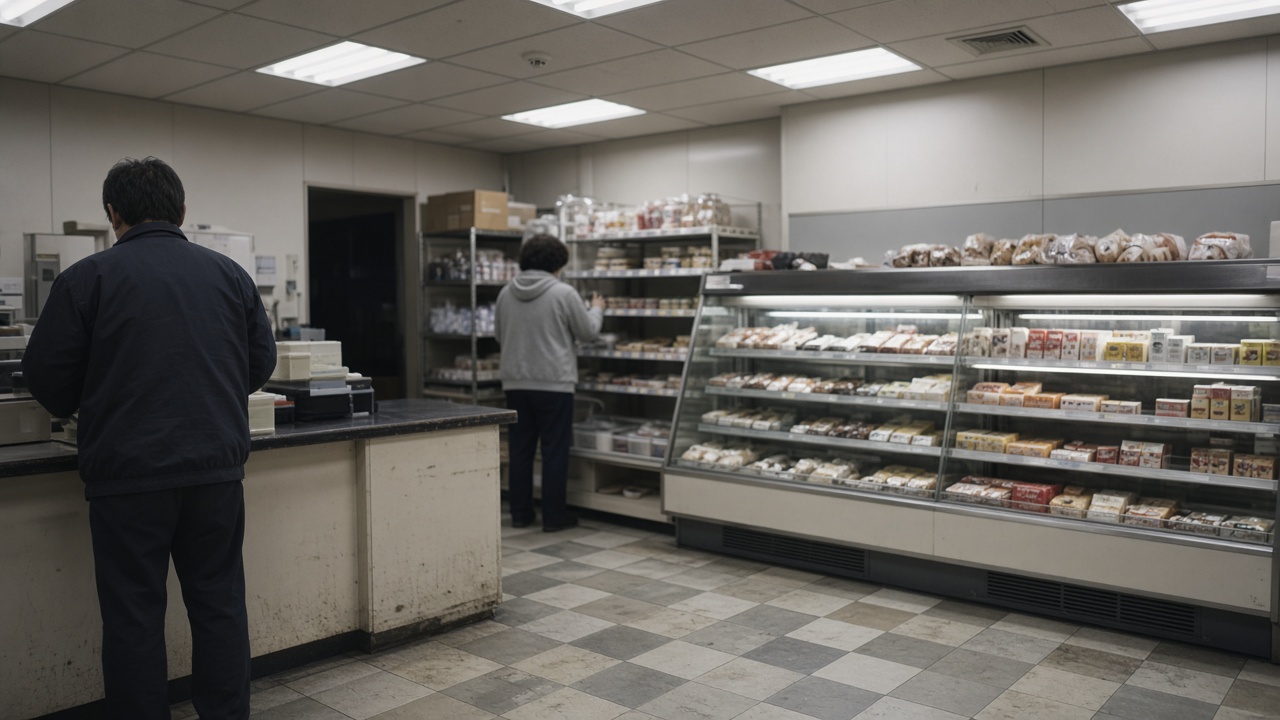
Seven and I Holdings lowered its store-level gross-margin guidance for legacy 7-Eleven formats while raising targets for locations that completed October renovation work, telling franchise councils that fresh food and chilled beverage bays are finally covering the cost of the upgrade cycle.
What changed in the October wave
The company said roughly 1,850 domestic stores finished layout refreshes last month, a pace it had postponed during the pandemic-era supply crunch. Each project typically adds a wider hot-food counter, an expanded ready-meal case, and a second bank of energy drinks aimed at evening commuters. Seven and I now expects those stores to reach breakeven on renovation spending within twenty-two months, two months faster than the prior template assumed.
Franchisees who skipped the October slot were warned that margin targets for unchanged stores would stay flat through March, reflecting higher utility bills and wage pressure in metropolitan areas. The holding company is not offering additional subsidies, but it did extend interest-free equipment loans for owners who commit to a January start date.
Why investors are watching food mix
Analysts on the Tokyo retail desk say the real test is whether renovated stores can lift the share of gross profit coming from in-house rice balls and fried chicken above forty-five percent. That threshold matters because packaged snacks carry thinner margins and face more competition from drugstore chains that now stay open overnight.
Seven and I also disclosed that same-store customer counts at renovated locations rose 3.2 percent in the first four weeks after reopening, while basket size ticked up on bundled drink-and-snack promotions. The numbers are still early, but they suggest the capex is pulling traffic rather than simply shifting sales from neighboring outlets.
Competition and delivery economics
FamilyMart and Lawson continue to roll out their own chilled-meal expansions, and all three majors are negotiating with delivery platforms over commission caps. Seven and I executives told owners that delivery orders should not exceed twelve percent of a store's revenue if the location is to hit the new margin target, a tighter ceiling than some urban franchisees currently run.
The company maintained its group operating profit outlook for the fiscal year, arguing that renovation-driven gains will offset weakness at Ito-Yokado department stores and the ongoing restructuring of unprofitable supermarket banners. Bond investors focused on the split between upgraded and legacy stores, noting that franchisee cash flow ultimately backs the royalty stream the parent collects.
What comes next
Management schedules a mid-November briefing for analysts who want store-level photos and same-store sales splits by region. Franchise councils in Kyushu and Hokkaido have asked for staggered construction timetables so suppliers can keep up with equipment deliveries before the year-end holiday rush.