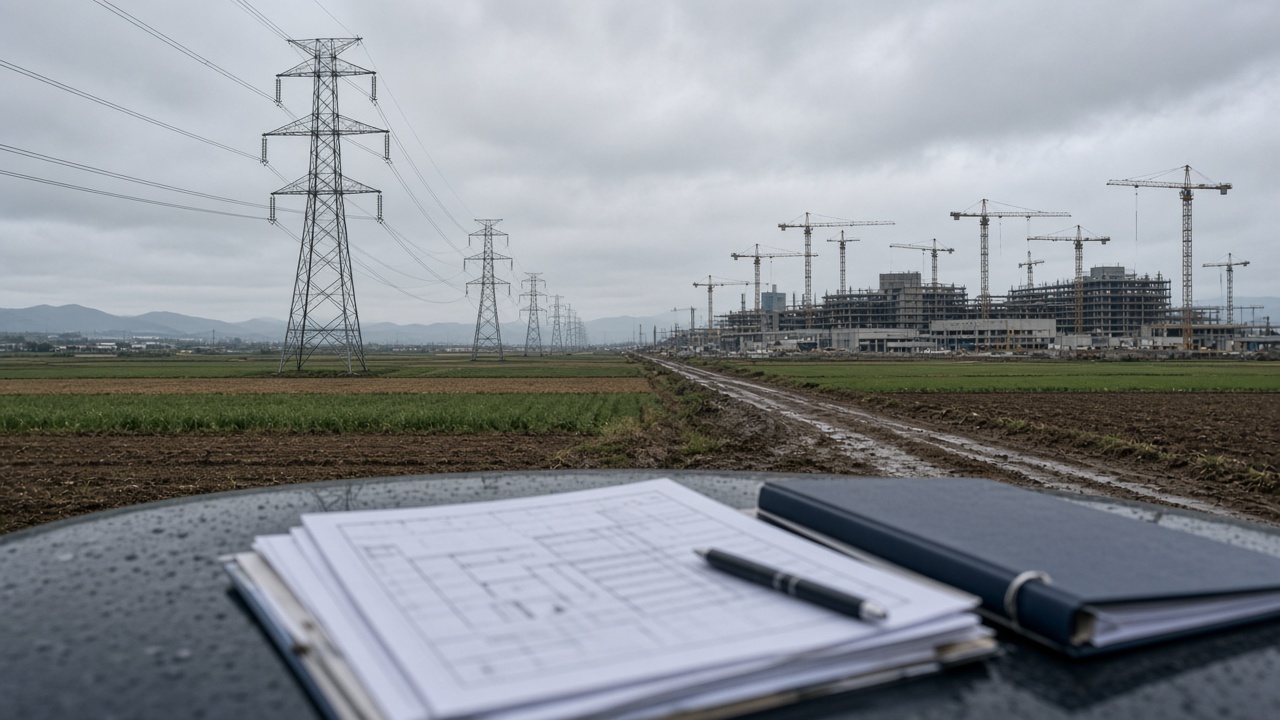
We argued Monday that semiconductor subsidy tranches in Gyeonggi should not release until transmission permits for linked substations are filed and scheduled, because tax credits without grid timelines recreate the stop-start fab builds that plagued prior industrial parks.
Subsidy design flaw
Recent industrial packages pay fabs for equipment imports and R&D headcount while treating grid buildouts as a separate ministry problem. That split encourages chipmakers to announce capacity before Korea Electric Power Corp. publishes energization dates. Taxpayers fund construction jobs that stall when 345-kilovolt lines miss environmental review windows.
Permit sequencing
Legislators should tie each subsidy draw to a dated permit docket number and public comment completion record. If a line segment faces litigation, subsidies pause rather than converting into political pressure on courts. Other economies condition fab incentives on verified renewable or nuclear baseload; Korea can at minimum verify copper in the ground.
Local opposition
Residents near proposed tower routes deserve hearings before fabs receive second-tranche checks. Current practice often inverts the order, presenting grids as faits accomplis after fabs become local employers. Transparent sequencing reduces conspiracy narratives that slow both chips and climate goals.
Counterargument
Industry lobbyists say fabs will migrate if subsidies wait on slow permits. We answer that delayed power already kills schedules; pretending otherwise hides risk from investors. Faster permit courts and centralized routing decisions are compatible with conditional subsidies.
What lawmakers should do
The National Assembly should publish a single calendar aligning MOTIE fab approvals with KEPCO energization milestones. Auditors must score ministries on whether fabs energized on time, not merely whether tax credits disbursed. Without that discipline, the next headline will again be cranes idle while politicians debate workweek exemptions unrelated to electrons.
Historical parallel
We have seen this movie before: industrial parks announced with ribbon cuttings while transformers sat in storage awaiting easements. Auditors later scolded ministries for counting construction starts as deliverables even when fabs could not energize test lines. Conditioning subsidies on grid milestones would force honest timelines on investor roadshows, not just on political press releases.
Energy mix reality
Debates over nuclear versus renewable baseload should not obscure the simpler point that electrons must reach fence lines on known dates. Chipmakers can procure backup generators for weeks, not for years of delayed lines. Subsidy tranches tied to permits would align MOTIE industrial policy with KEPCO execution metrics instead of letting each agency claim victory on different calendars.
Accountability mechanism
We recommend quarterly public scorecards listing fab names, requested megawatts, permit docket IDs, and energization dates updated by KEPCO field offices. Subsidy releases would require green status on energization schedules or documented force majeure with independent verification. Without scorecards, politicians can claim fab investments while residents watch idle construction and blame distant bureaucrats.
Closing
Semiconductor competitiveness is not only about tax rates and labor rules; it is about electrons arriving when fabs need them. Lawmakers who want Korea to win the next packaging cycle should make grid delivery as measurable as export tonnage. Subsidy checks without energization dates are press releases, not industrial policy.