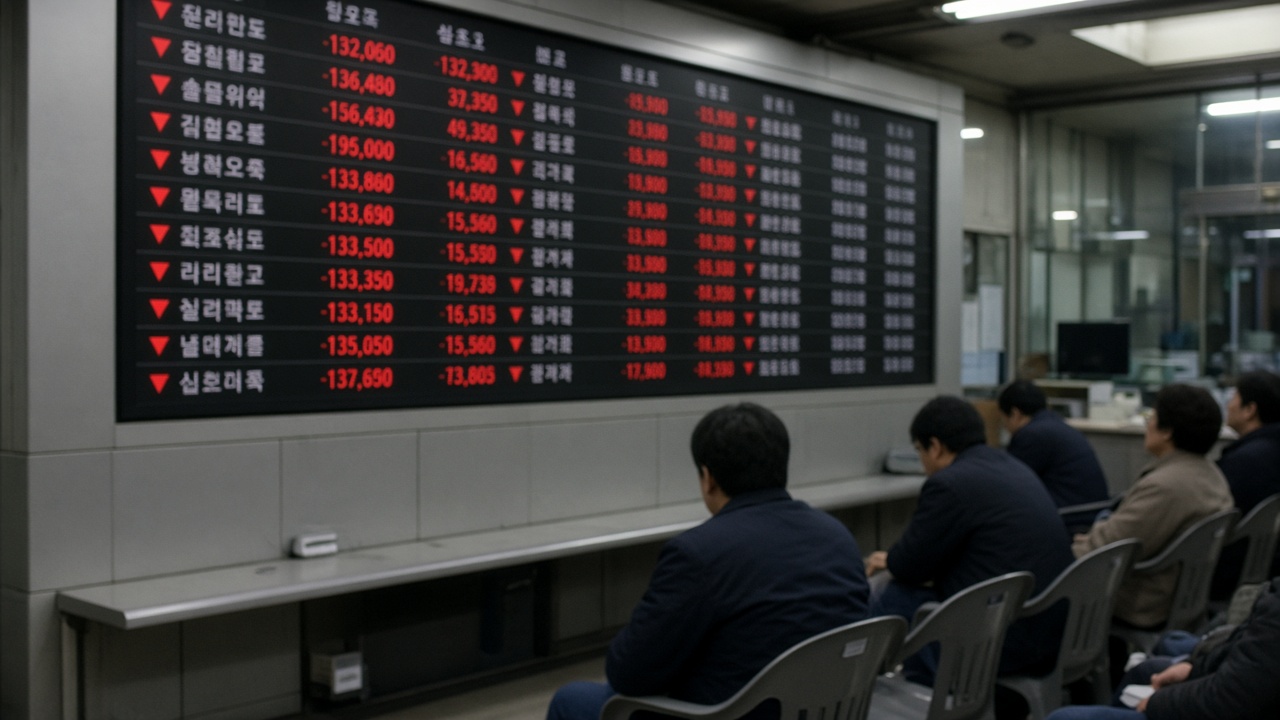
Kakao Corp. shares led platform names lower in Monday’s Seoul session after the Fair Trade Commission published a hearing calendar that includes the company’s in-app payment and mini-app fee policies, reopening a regulatory front that investors had hoped was settling after earlier consent orders. The messenger operator closed down sharply as foreigners net sold technology names while the broader Kospi struggled with continued won weakness.
Hearing scope
The commission’s notice lists a mid-November session to review whether Kakao’s billing rules impose unfair terms on third-party mini-app developers and whether fee tiers discriminate against smaller publishers. Kakao told the exchange it will cooperate while arguing its store provides distribution and payment security services that justify commercial rates. Developers counter that fee caps in rival app stores abroad should inform domestic expectations, especially for games and fintech mini-apps embedded inside KakaoTalk.
Market context
Seoul traders linked the stock move to a broader de-rating of domestic platform conglomerates after the Bank of Korea held rates steady and the won stayed near levels that worry foreign funds. Kakao’s entertainment and mobility affiliates also slipped, though analysts said the hearing date alone does not change near-term earnings unless fines or fee caps follow. Options desks reported elevated put interest on Kakao for the week of the hearing.
Prior enforcement
Kakao previously adjusted certain linking rules after commission probes into self-preferencing and amended contracts with news publishers. Legal scholars said this hearing could test whether Korea applies similar theories to in-app commerce as it did to search and advertising cases. The company’s compliance team has staffed an internal task force mirroring the commission’s document requests from September.
Developer economics
Mini-app studios in Pangyo said even a few percentage points off platform fees would materially change break-even points for casual games distributed inside KakaoTalk banners. Payment processors noted that alternative billing pilots elsewhere in Asia have moved slowly because abuse checks and refund workflows still run through platform operators. Kakao argues its wallet integration reduces chargebacks for small merchants, a benefit commissioners may weigh against headline fee rates.
Investor implications
Equity analysts trimmed near-term target multiples on regulatory overhang but kept longer-term mobile engagement forecasts unchanged. Bond investors focused on Kakao’s cash holdings said litigation reserves already cover moderate penalties. The hearing itself is procedural; markets will watch for commissioners’ questions on data portability and whether fee schedules mirror costs.
Timeline
Post-hearing comment periods could extend into December, overlapping with year-end app store contract renewals. Kakao pledged to publish a transparency report on mini-app fee uses if the commission requests one. For Seoul retail investors, the immediate stake is volatility around the hearing date; for the company, the deeper fight is whether Korea’s platform rules converge with U.S. and EU templates without breaking the integrated chat-commerce model that drives Kakao’s domestic revenue.
Trading desk detail
Program traders said Kakao’s weight in retail-heavy momentum baskets amplified Monday’s decline when the first commission headline hit wire services. Margin lending on the name ticked higher into the session, a pattern brokers associate with short-term speculation rather than long-only foreign funds. Convertible bond holders said they were unchanged, viewing regulatory fines as tail risks dwarfed by mobility recovery trends.
Global comparisons
Seoul legal scholars compared the hearing to app-store cases in Europe where courts ordered alternative billing links. Kakao’s integrated chat distribution differs because users rarely sideload mini-apps outside the messenger shell. Commissioners may ask whether Korean consumers understand fee structures when promotions bundle zero-fee periods with data rewards from mobile carriers partnering on KakaoPay campaigns.
Balance sheet angle
Kakao’s cash-rich balance sheet and cross-holdings in payments and mobility units mean regulatory outcomes affect conglomerate discounts more than liquidity. Analysts on the Seoul desk said a fee cap worst case still leaves KakaoTalk engagement as the core asset, but monetization per user would fall if developers migrate to rival super-apps. Retail shareholders on Naver forums debated whether to buy the dip ahead of the hearing, a pattern that often increases volatility without changing institutional positioning.