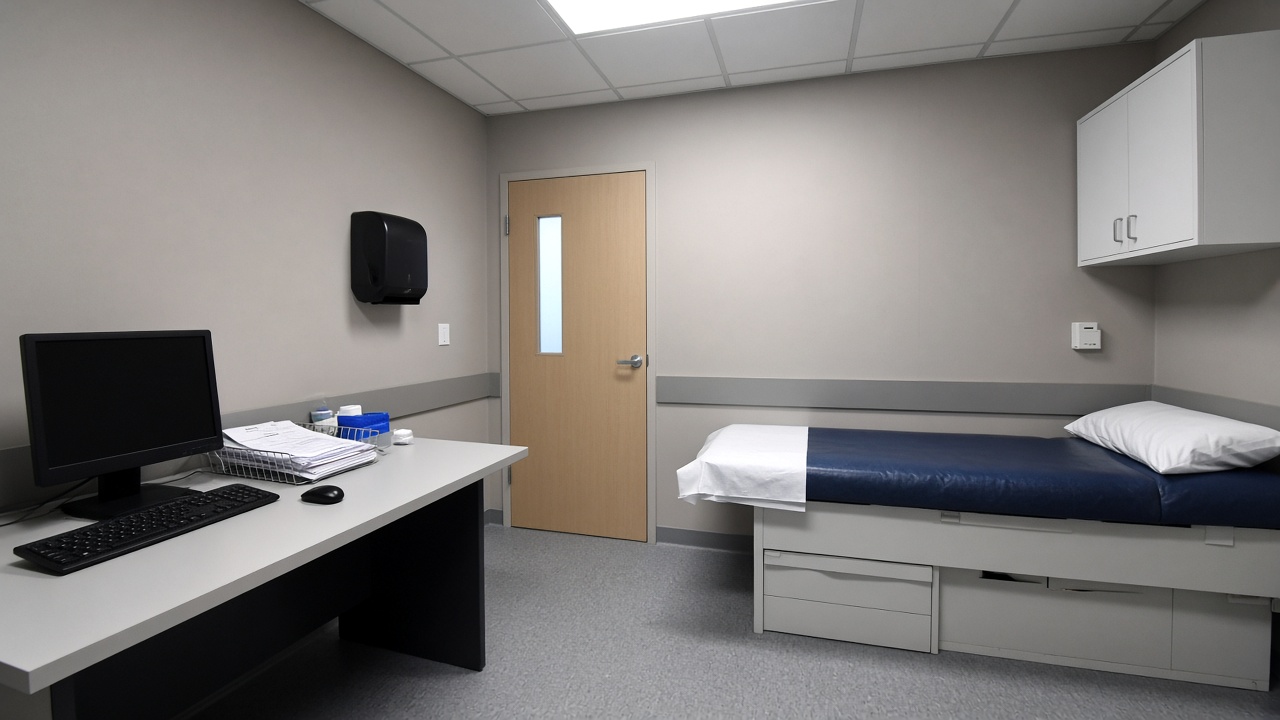
NHS England named five integrated care boards that will run structured pilots of ambient clinical scribe tools in primary care from mid-November, requiring each site to log clinician editing time and missed safety phrases before any wider procurement.
The boards—Greater Manchester, West Yorkshire, Surrey, Cornwall and North Central London—were chosen after smaller trials in Essex and Lancashire showed GPs spent eleven fewer minutes per session on documentation when a microphone-fed model drafted notes for human review.
How the pilot works
Participating surgeries will use approved vendor models that listen during consultations, generate structured entries in EMIS or SystmOne, and flag when patients mention red-flag symptoms the model cannot verify. Clinicians must approve every note before it enters the record; the pilot forbids fully autonomous signing.
NHS England’s AI lab set a primary endpoint of reduced after-hours “pajama time” charting, secondary endpoints include patient satisfaction and malpractice insurer feedback. Vendors must host inference within UK regions and delete audio within 24 hours unless a clinician saves a clip for training.
Clinician concerns
The British Medical Association said ambient scribes could help if they do not erode consultation eye contact. BMA GP committee leaders asked NHS England to ban vendor use of NHS audio for commercial model training—a condition written into the pilot contracts.
Privacy campaigners noted that sensitive topics including reproductive health and asylum status appear frequently in GP rooms. NHS England published a patient poster explaining opt-out rights and how recordings are encrypted in transit.
Procurement path
If metrics hit predefined thresholds by March, NHS England will issue a framework allowing other boards to buy scribe services without a full tender cycle. Failed sites must publish anonymised failure reports, a transparency step added after hospital AI imaging contracts drew criticism for opaque rollouts.
West Yorkshire’s board chair said the pilot aligns with broader productivity plans ahead of winter pressure. Cornwall’s rural cohort will test offline buffering when broadband drops, a scenario suburban pilots skipped last year.
Approved vendors
Three suppliers passed NHS England's assurance gateway: Nuance Dragon Ambient eXperience, Heidi Health's GP module, and a Bristol startup partnering with NHS Open Source Programme libraries. Each must publish model cards listing training data exclusions.
Malpractice insurers Medical Protection Society said premiums will not rise for pilot sites if clinicians retain final sign-off. Insurers warned, however, that autonomous signing would trigger repricing discussions.
Patient groups including Healthwatch England will survey participants after 90 days, focusing on whether scribes change how much time doctors spend facing screens versus patients.
Digital ministerial taskforce minutes show ministers want GP productivity gains to offset winter appointment backlogs without funding new salaried doctors this financial year. Ambient scribes are cheaper per site than hiring locums, according to NHS England business cases circulated to boards.
GP partners voting on pilot participation need 60 percent practice agreement under local governance rules, preventing single-handed dissent from blocking enrollment.
Analysts said the development fits a wider pattern of UK institutions adjusting policy after months of consultation rather than abrupt shifts. Officials promised further updates when new data arrive, leaving room for revision without reversing the core decision announced Tuesday.
Readers tracking household budgets, portfolio exposure or public services should watch accompanying regulator filings and select committee calendars for detail beyond headline moves.