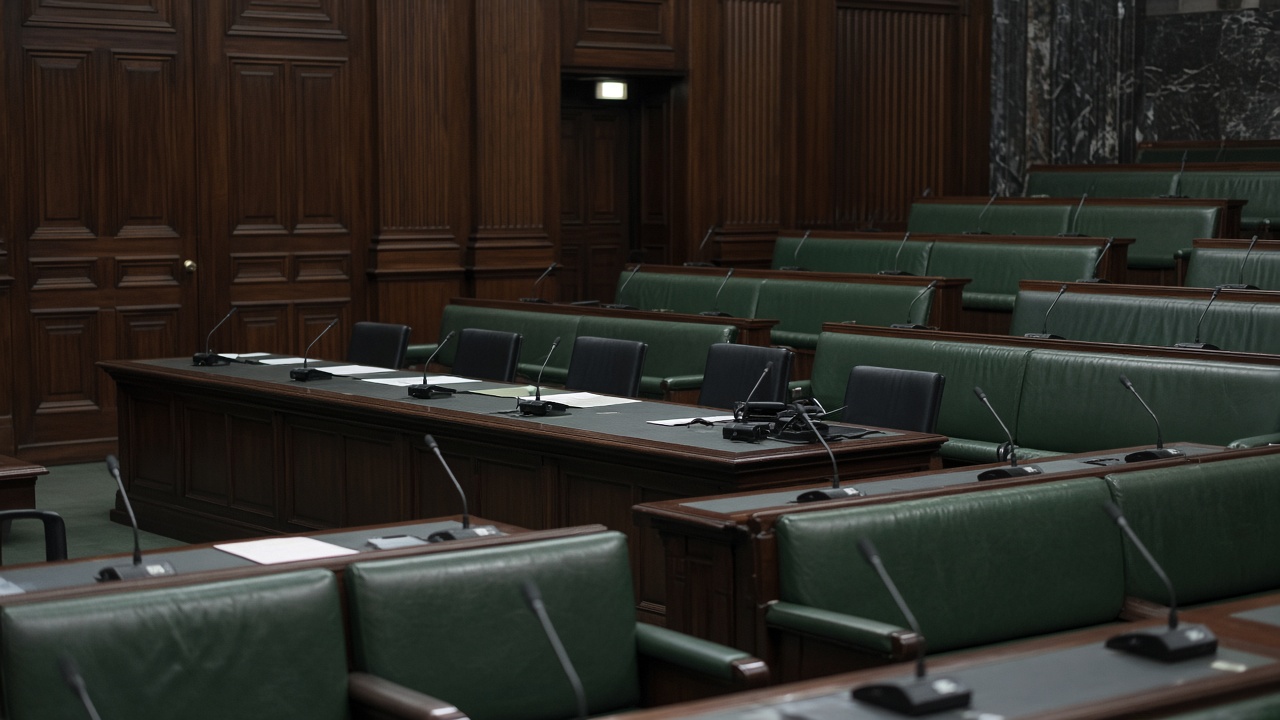
Parliamentary Under-Secretary Kanishka Narayan told the Commons that most artificial intelligence in Britain should be regulated at the point of use by existing watchdogs rather than through a standalone AI statute.
Written answer lands
Responding to Liberal Democrat MP Zöe Franklin, Narayan said competition, data protection, online safety and sector rules already apply. He pointed to the AI Security Institute’s frontier testing and promised the UK would stay prepared as capabilities shift.
The answer, published days after Franklin tabled the question, aligns with DSIT’s incremental approach under Technology Secretary Liz Kendall. Ministers have resisted committing to a single AI bill timeline while still rolling out targeted amendments elsewhere.
Growth Lab plans
DSIT is standing up an AI Growth Lab meant to host sandboxes where firms test products with regulators including the FCA, Ofcom and MHRA before launch. Proponents say coordinated pilots could shorten approval cycles for NHS diagnostics or construction planning tools without weakening safety checks.
Critics in the House of Lords cite Ada Lovelace Institute polling showing strong public support for explicit AI legislation. Narayan’s reply reiterates the government’s context-specific mantra, leaving opposition parties to press for clearer deadlines in future sessions.
Security institute role
The AI Security Institute has evaluated more than 30 frontier models from OpenAI, Google DeepMind, Anthropic and others, sharing findings with the National Cyber Security Centre. That work underpins DSIT’s argument that capability risks are understood even without a new omnibus law.
Targeted criminal powers
Separately, ministers prepared amendments to the Crime and Policing Bill that would let designated testers probe whether models can generate child sexual abuse imagery, addressing a legal gap that currently discourages pre-release safety checks. Internet Watch Foundation data showed reports of AI-generated abuse more than doubling year on year.
What industry hears
Developers seeking certainty on agentic tools still lack a single register of obligations. DSIT’s growth lab consultation, due this winter, will ask whether the facility stays inside government or migrates to joint regulator ownership.
Until then, Narayan’s answer confirms policy continuity: sector regulators first, horizontal legislation later, if at all.
Westminster timing
Franklin tabled her question on the same day the Treasury warned of tough Budget choices, ensuring AI regulation stayed on the Commons order paper beside fiscal debate. DSIT officials privately argue that rushing an AI bill could duplicate Online Safety Act duties already covering synthetic media.
TechUK members asked for a published map showing which regulator owns workplace deployment, medical devices and autonomous agents respectively. Until that map exists, startups will keep hiring compliance consultants to interpret overlapping rules.