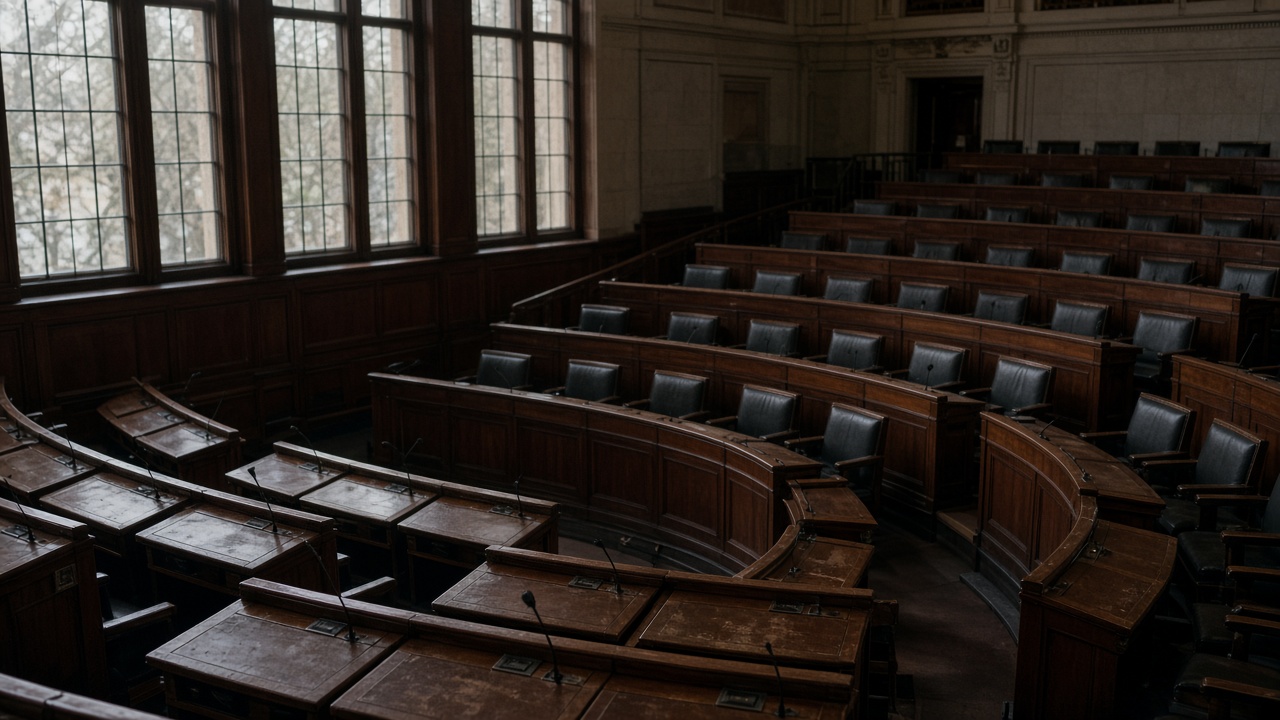
Prime Minister Sanae Takaichi can lower the consumption tax on food only if she first wins a numbers game in the House of Councillors—a chamber her coalition does not control outright. Until she publishes a credible path through that upper house, the two-year eight-to-one-percent cut remains a campaign slogan rather than household relief.
Where the votes are
The Liberal Democratic Party and Japan Innovation Party can ram a bill through the lower house, but the House of Councillors has blocked faster tax moves before when Komeito and opposition blocs withheld consent. Komeito leader Mitsunari Okamoto already conditioned support on a written schedule for cash benefits tied to the tax package. Without Komeito, the ruling camp falls short even if every Innovation Party member votes yes.
Why theater hurts
Markets treated U.S. midterm results as a reason to sell AI hardware Tuesday, yet the more durable domestic risk is legislative gridlock that pushes implementation past April 2027. Households pricing groceries in real time cannot bank on press conferences. Opposition parties demand Takaichi testify in committee; refusing gives them a procedural excuse to delay upper-house referral until the Dec. 12 session deadline.
What responsible policy requires
Publish the cash-benefit calendar, identify offsetting revenue and name the upper-house vote counter. If the numbers do not add, shrink the promise instead of forcing another late-night lower-house vote that poisons the rest of the session. Food-tax relief is worth doing only if the arithmetic is shown before the applause.
Historical precedent
The 2019 consumption-tax hike passed only after Komeito secured a multi-year mitigation package spelled out in annex tables voters could read. Takaichi’s team has not replicated that level of detail. Without it, opposition parties will filibuster in the upper house budget committee even if lower-house theatrics dominate television coverage.
Responsible leadership means releasing the upper-house whip count before the next prime-ministerial press conference, not after another overnight plenary.
Households should not spend the projected tax savings before upper-house consent exists. Grocery margins are thin; chains cannot absorb mis-timed price cuts if legislation slips a quarter. Clarity is a consumer-protection issue, not merely politics.
Reader checklist
Track official filings rather than social clips. Ministry and league PDFs remain the authoritative record when timelines slip. Save receipts, ballot numbers and clinic vouchers until deadlines pass. If a vendor changes terms mid-season, ask for written confirmation before you spend against a promotion or subsidy.
Local desks will update figures when agencies publish revisions; morning numbers can move once Tokyo markets finish absorbing overnight foreign news.