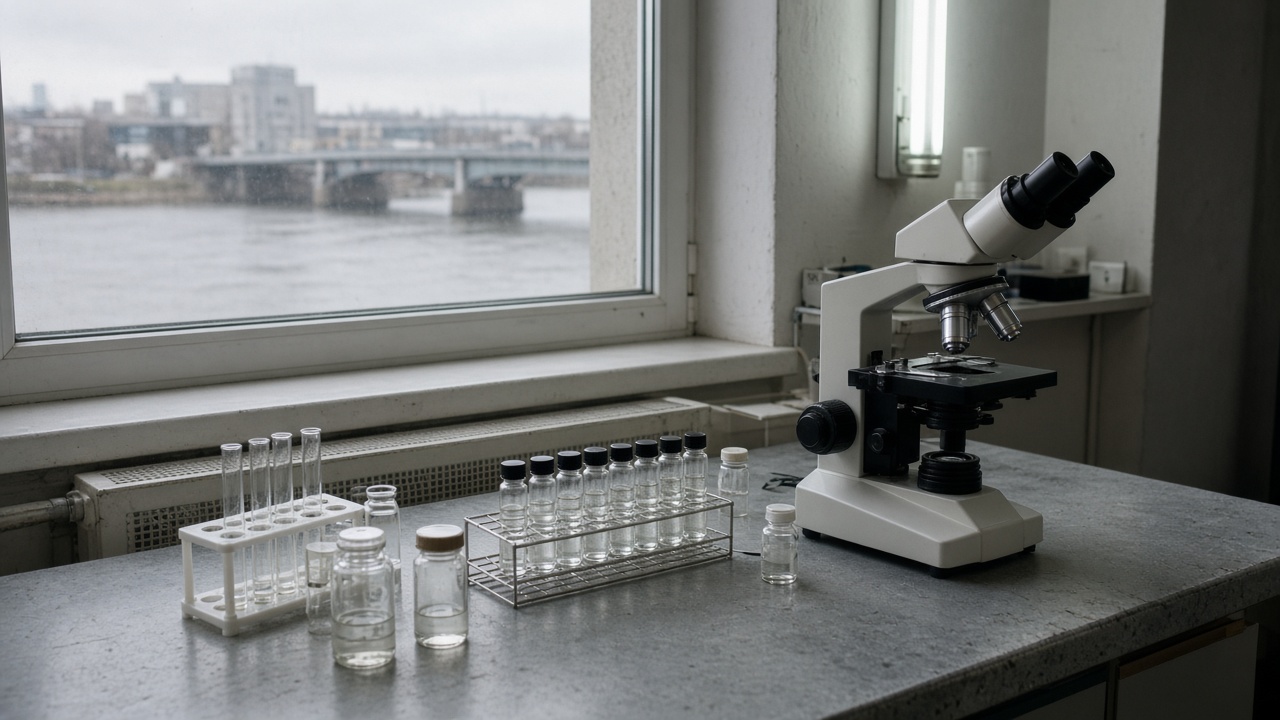
Imperial College London scientists logged sharp spikes in Thames microplastic concentrations following September sewer overflow events, according to sampling data released ahead of peer review.
Sampling method
Teams deployed automated traps near Hammersmith and Greenwich during three rainstorms that triggered combined sewer discharges. Particle counts above 5 millimetres jumped more than fourfold within 48 hours of each overflow, while fibres typical of textile washing persisted for a week.
Lead researcher Dr Amara Okonkwo said the pulses coincide with untreated stormwater releases documented by Thames Water event duration monitors. The work complements broader BBSRC-funded studies on freshwater pollution but focuses on London’s tidal reach where sewage and shipping traffic intersect.
Policy context
Ofwat’s current price review demands steep cuts in overflow hours by 2030, yet capital plans remain contested by investors worried about affordability. Environment Agency officers have prosecuted utilities for dry spills; microplastic evidence may add pressure in future enforcement.
Public health angle
Rowing clubs and wild swimmers along the tidal Thames already monitor bacterial loads; adding plastic fibre counts could inform guidance after heavy rain. Imperial plans to publish open data for citizen science groups validating hotspots.
Industry response
Thames Water said it is investing in the Thames Tideway Tunnel and network upgrades, noting that overflow reductions will take years. Textile industry groups pointed to voluntary microfibre filters on washing machines as a complementary fix.
Next steps
Peer review and Environment Agency collaboration will determine whether regulators incorporate microplastics into discharge permits. For now, the spikes underline that dry-weather publicity campaigns miss the storms that actually move plastic into the river.
Measurement limits
Okonkwo cautioned that trap sizes miss nanoplastic fractions below 300 micrometres, meaning reported spikes may understate total load. Follow-up work with Raman spectroscopy will attempt to classify polymer types tied to tyre wear versus packaging.
Port of London Authority pilots are testing booms near storm outfalls; early results show booms capture debris but require daily clearing during wet weeks, a labour cost utilities must budget if regulation tightens.