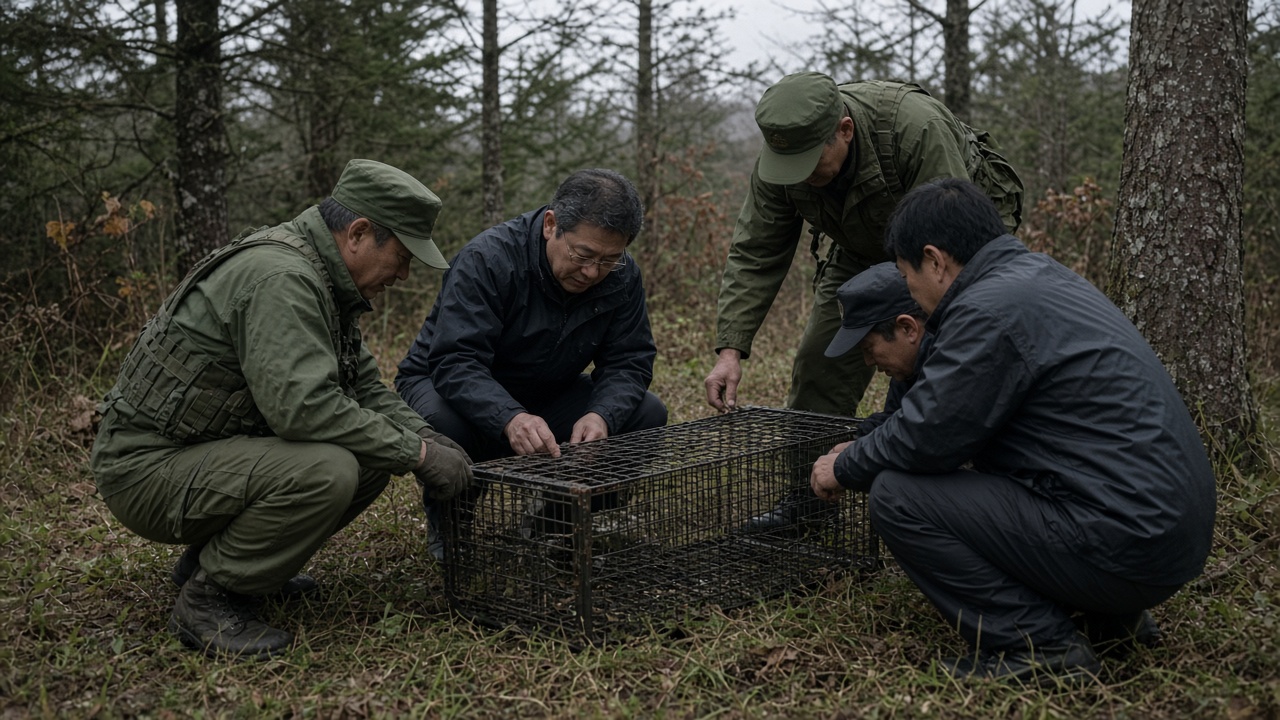
Japanese municipalities are requesting Ground Self-Defense Force assistance to trap and remove bears after a surge in encounters left residents dead and prompted the first national count above 20,000 sightings between April and September. The environment ministry’s tally, reported widely on Wednesday, reflects both warmer autumn foraging and shrinking habitat at the forest edge of expanding towns.
Defense officials said troops would support local hunters and police where prefectural capacity is exhausted, not replace civilian wildlife control. The deployments follow emergency meetings in Akita, Iwate, and Nagano prefectures, where schools delayed opening and mountain trails were sealed after bears entered neighborhoods in daylight hours.
A season unlike recent years
Bear incidents typically peak in late autumn when animals search for calories before hibernation, but 2025 has been exceptional. Regional newspapers documented attacks on elderly residents collecting mushrooms and on joggers near suburban riverbanks. Hospital networks in northern Honshu reported multiple trauma cases involving claw and bite wounds.
Wildlife biologists cite overlapping factors: acorn crop failures that push bears toward farmland, abandoned satoyama woodland that no longer buffers villages, and a decline in licensed hunters as rural populations age. The ministry’s April–September figure exceeds any prior six-month window since standardized reporting began, prompting opposition lawmakers to demand an emergency Diet briefing on funding for traps and hunter training.
How the military fits in
The Self-Defense Forces role is logistical and safety support — setting traps, transporting carcasses, and securing perimeters while civilian marksmen operate under prefectural authority. Prime Minister Sanae Takaichi’s office said deployments remain at the request of governors and do not invoke disaster-law emergency powers used for earthquakes.
Still, the sight of uniformed troops in residential streets has unsettled communities already debating a separate controversy over intelligence units profiling citizens. Environment Minister contacts stressed that long-term solutions require forest management funding and hunter recruitment, not open-ended military presence.
What towns are telling residents
Municipal alerts urge residents to lock garbage bins, install electric fences around orchards, and carry bells on forest paths. Several cities have subsidized bear-proof waste containers after audits showed unsecured trash attracted animals from kilometers away.
Local governments have reopened compensation programs for orchard losses after bears stripped apple and persimmon trees in Nagano and Aomori, payments that can reach several hundred thousand yen per household when damage is documented. Insurance cooperatives said claims filings this autumn are running triple last year’s pace, straining adjusters who must verify claw marks and fence breaches in remote valleys.
Officials warn the encounter count may climb further until hibernation begins in higher elevations. For now, the policy fight is immediate: keep children indoors at dusk, clear brush along school routes, and accept that Japan’s shrinking countryside no longer keeps wildlife at a comfortable distance.