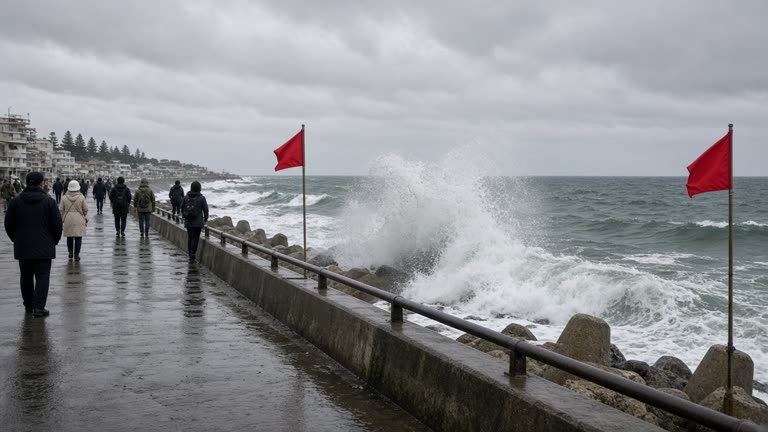
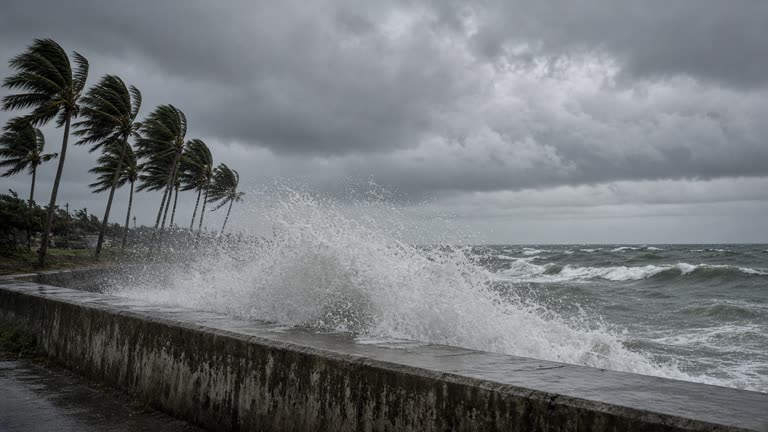
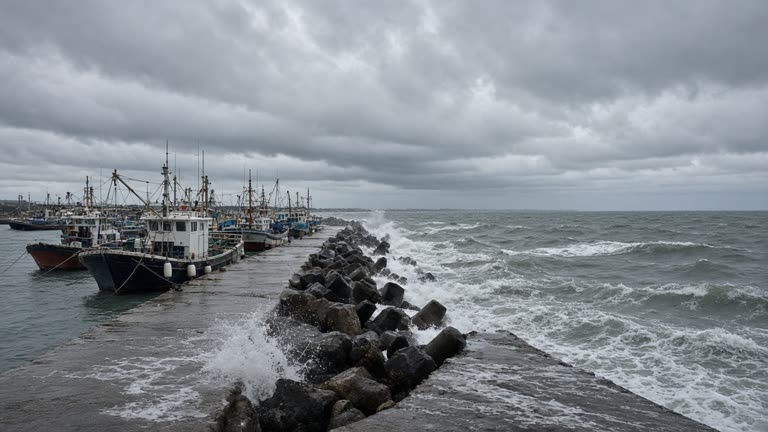
Very strong Typhoon No. 29 is tracking away from the Ogasawara Islands, but long-period swells could reach two to three meters along Pacific-facing shores as the Sports Day break ends.
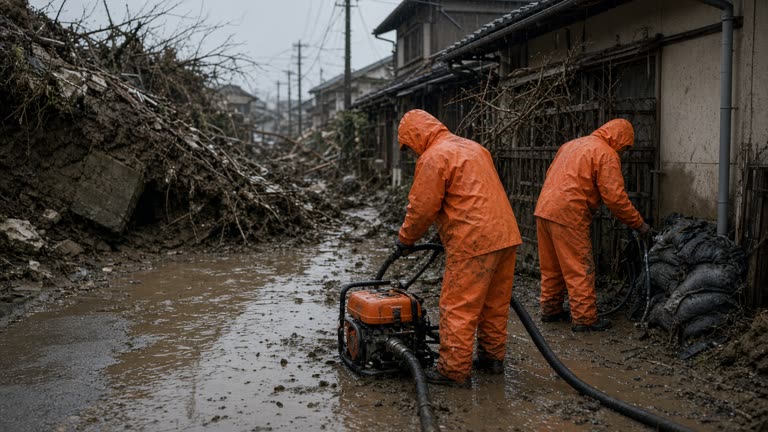
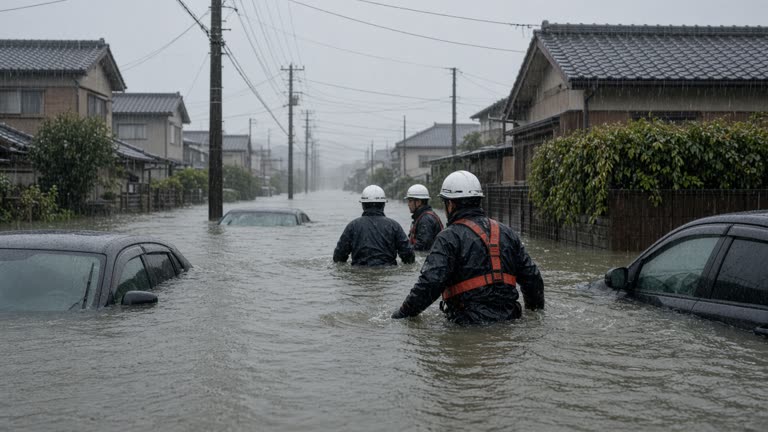
Japan’s disaster-response unit began round-the-clock pumping at a Chiba housing complex still submerged after Typhoon No. 25, as the town mayor said national crews could shorten a recovery once measured in months.
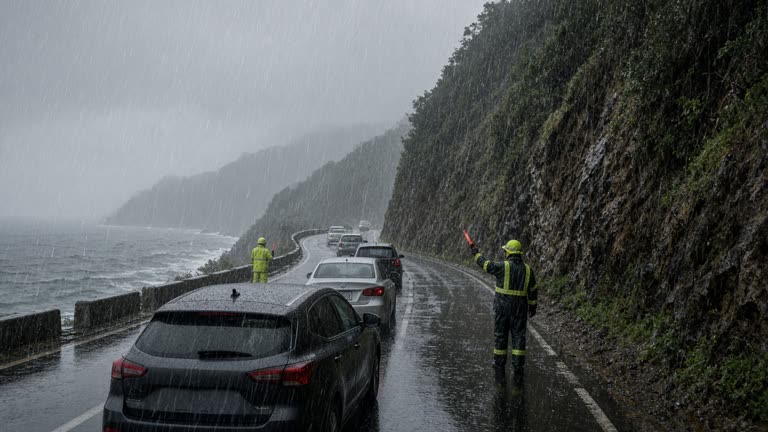
Japan's highest landslide warning covers two Tokyo islands as train operators cut service and schools close across Kanto, with officials warning saturated ground may still give way after the rain eases.
The Japan Meteorological Agency estimates a magnitude 4.8 quake about 50 kilometers deep off northeastern Chiba, with shaking strong enough to rattle homes from Asahi to Narita but no tsunami threat.
Officials in Chiba and Kanagawa confirmed additional deaths from flooding and landslides as Japan’s 25th typhoon of 2026 disrupted Silver Week travel before weakening east of Honshu.
Forecasters expect the storm to reach very strong intensity by Sunday as it nears the Ogasawara chain, with dangerous waves and a growing chance of gale-force winds if the track shifts west.
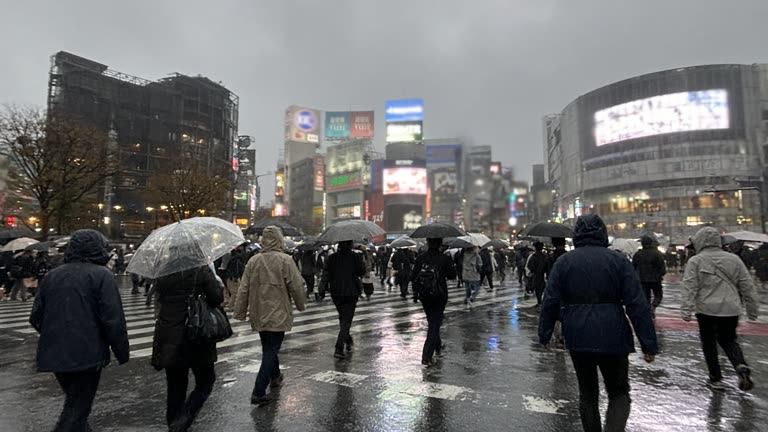
The capital tied its longest recorded September rain run on Monday while Typhoon Surigae strengthened into a super typhoon on a track that could bring another soaking to Chiba and Tokyo by late week.
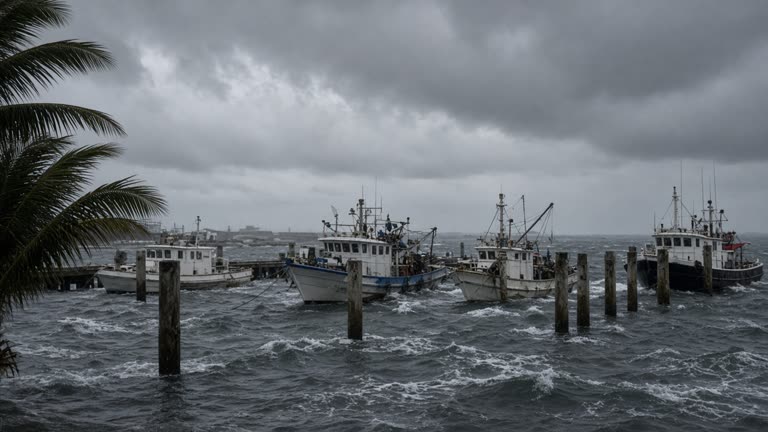
Strong Typhoon 26 is crawling north of Naha with Okinawa already inside its wind field; the Japan Meteorological Agency warns of six- to seven-meter seas and a slow pass that could keep gales over the Nansei chain through Tuesday.
Japan’s meteorological agency expects a strong typhoon to approach Okinawa and the Amami chain through Monday, with waves up to seven metres and gusts to 35 metres per second.
Typhoon Dujuan moved into the Pacific on Tuesday after killing four people, leaving six missing and more than 45,000 Chiba households without power, as authorities downgraded rain warnings but kept landslide alerts active through the Silver Week holiday cleanup.