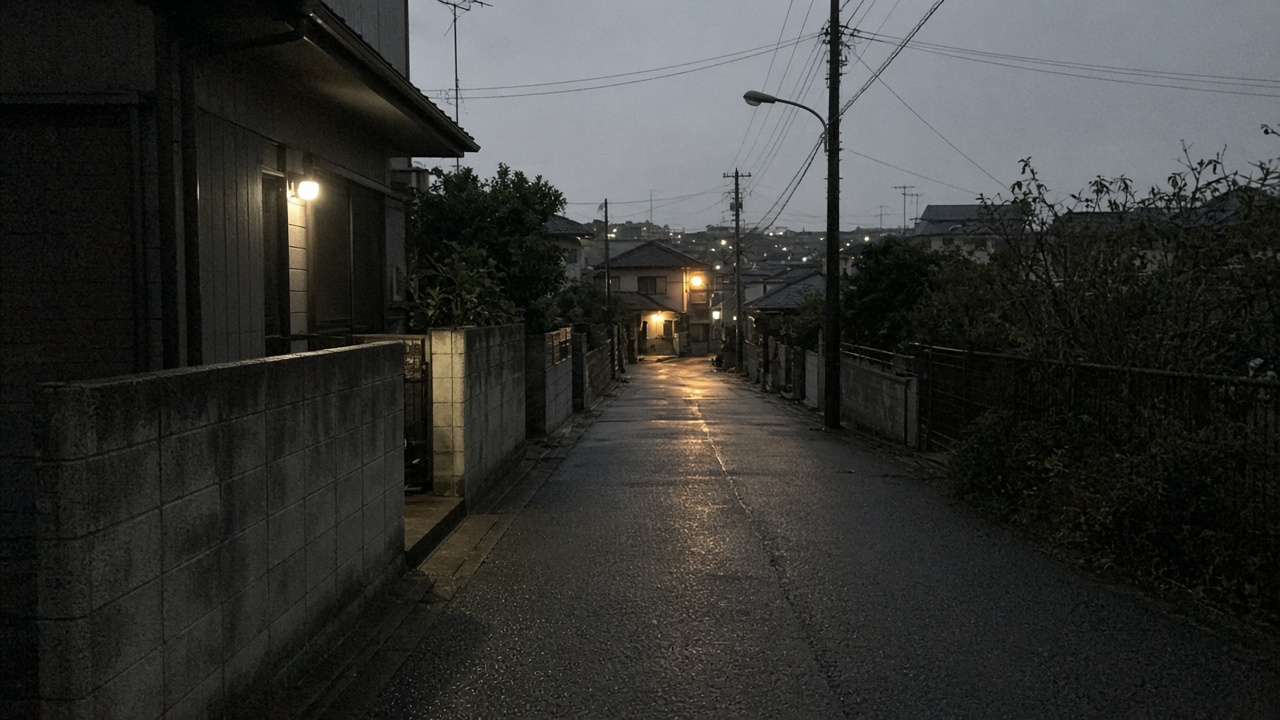
A predawn earthquake centered in northeastern Chiba Prefecture jolted residents across the greater Tokyo region on Wednesday, with the Japan Meteorological Agency estimating magnitude 4.8 at a depth of about 50 kilometers.
The agency said the tremor struck at 4:13 a.m. local time. The strongest shaking on the Japanese seismic intensity scale, shindo 4, was recorded in Asahi City, a level at which hanging objects swing noticeably and unsecured furniture can shift. Shindo 3 was reported in parts of southern Ibaraki and northwestern Chiba, including Narita, Sosa, Katori and several inland towns along the Pacific coast.
How officials measured the event
In its 4:17 a.m. bulletin, the Meteorological Agency placed the hypocenter at 35.7 degrees north latitude and 140.7 degrees east longitude, labeling the epicenter as northeastern Chiba. Deep quakes in this band often produce broad, rolling motion in the Kanto plain rather than the sharp jolts associated with shallow faults directly under urban Tokyo.
Because the rupture occurred far below the surface, structural damage reports were limited in the first hours after the event. Local governments in Chiba and Ibaraki opened phone lines for residents to report cracked plaster or triggered fire alarms, a routine step after any shindo 4 reading in a populated corridor between Tokyo and Narita International Airport.
Transport and airport operations
Narita airport sits inside the zone that reported shindo 3 shaking. Airport operators typically pause runway inspections after significant tremors, checking pavement joints and navigation aids before resuming full schedules. East Japan Railway Company and private lines serving Chiba’s northern coast said they were scanning tracks for deformation, the standard response when commuters later head toward Tokyo.
There were no immediate reports of derailments or runway closures attributed to the quake, but operators warned that minor delays could cascade through the morning rush if manual safety walks took longer than usual.
Tsunami bulletin and preparedness reminders
The agency said there was no tsunami risk from Wednesday’s earthquake, a reassurance for fishing ports along the Boso Peninsula that still monitor offshore sensors after larger offshore events. Municipal disaster offices used the occasion to remind households to secure tall furniture and keep emergency water on hand, because intensity 4 shaking can knock items off shelves even when buildings remain structurally sound.
Scientists note that northeastern Chiba sits above the complex boundary where the Pacific plate dives beneath eastern Japan. Moderate deep quakes are common, though each one tests the same readiness routines: automatic gas shutoffs in newer apartments, smartphone alerts that arrived within seconds of the 4:13 a.m. origin time, and school administrators checking gymnasium beams before classes.
For now, the event is being treated as a sharp reminder rather than a catastrophe. If aftershocks follow, the agency will issue updated intensity maps; until then, residents from Asahi to Narita are sweeping up fallen dishes and heading into a workday that began under fluorescent kitchen lights rather than sunrise.