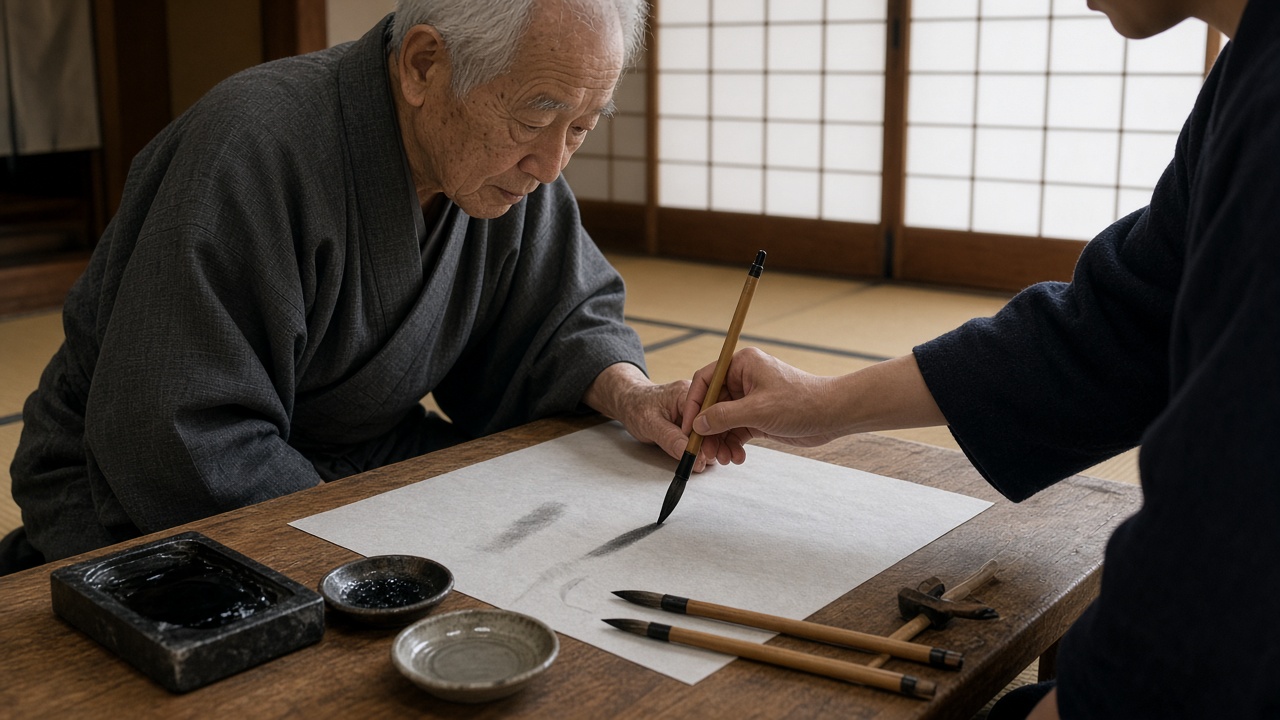
Japan moved a step closer to global recognition for shodo calligraphy on Thursday when a UNESCO advisory panel recommended the art form for inscription on the Intangible Cultural Heritage list. The Japanese government announced the evaluation body's decision, saying a formal vote by member states is scheduled during a committee session in Xiamen, China, from 30 November to 5 December.
Kyodo News reported that UNESCO's evaluation arm backed shodo alongside other nominations after reviewing Japan's dossier on masters, apprentices and regional brush societies that keep the practice alive in classrooms, temples and community halls. If inscribed, shodo would join existing Japanese listings such as washoku cuisine and traditional Noh theatre on the register of living traditions rather than monuments.
What the listing would mean
Intangible Cultural Heritage status does not carry legal protections inside Japan, but it signals international acknowledgement that a practice is transmitted across generations and faces modern pressures. Culture officials in Tokyo have framed shodo as both an art and a daily discipline — children learn basic strokes in primary school, while adult clubs study classical scripts linked to poetry and Buddhist sutras.
The nomination emphasises tools as well as technique: washi paper, sumi ink sticks and bamboo brushes produced in prefectures such as Nara and Fukui. Supporters argue listing would help tourism boards and local craft unions market workshops to overseas visitors without reducing shodo to a souvenir demo.
Path from recommendation to inscription
Thursday's recommendation is not the final word. UNESCO's intergovernmental committee can accept, refer back or reject advisory opinions, though rejections after a positive evaluation are rare. Japan's Agency for Cultural Affairs said it will coordinate with Chinese hosts on logistics for the Xiamen meeting, which overlaps with other Asian nominations competing for limited slots each cycle.
Prime Minister Sanae Takaichi's government has not yet scheduled a celebratory event; officials told reporters they would wait for the committee's December decision before expanding subsidy programs for youth calligraphy leagues. Opposition lawmakers nonetheless welcomed the news, noting that South Korea and China have used UNESCO listings to promote their own script traditions on the world stage.
Domestic debate over modern relevance
Even advocates acknowledge shodo faces demographic headwinds. Smartphone keyboards dominate communication, and fewer municipalities fund public hall instructors than a generation ago. Proponents counter that calligraphy clubs saw renewed interest during the COVID-19 pandemic as people sought offline hobbies, and that corporate training sessions use brush exercises to teach focus.
If inscribed, Japan would be responsible for filing periodic reports on how practitioners pass skills to younger generations — a requirement that could push education ministry officials to document school curriculum changes in real time rather than relying on anecdotal success stories.
For now, brush makers and calligraphy associations are preparing displays for December, hoping a Xiamen inscription will arrive before the year-end gift season when families traditionally commission handwritten New Year cards. The UNESCO committee's vote will determine whether that hope becomes a listed heritage or waits for a future cycle.