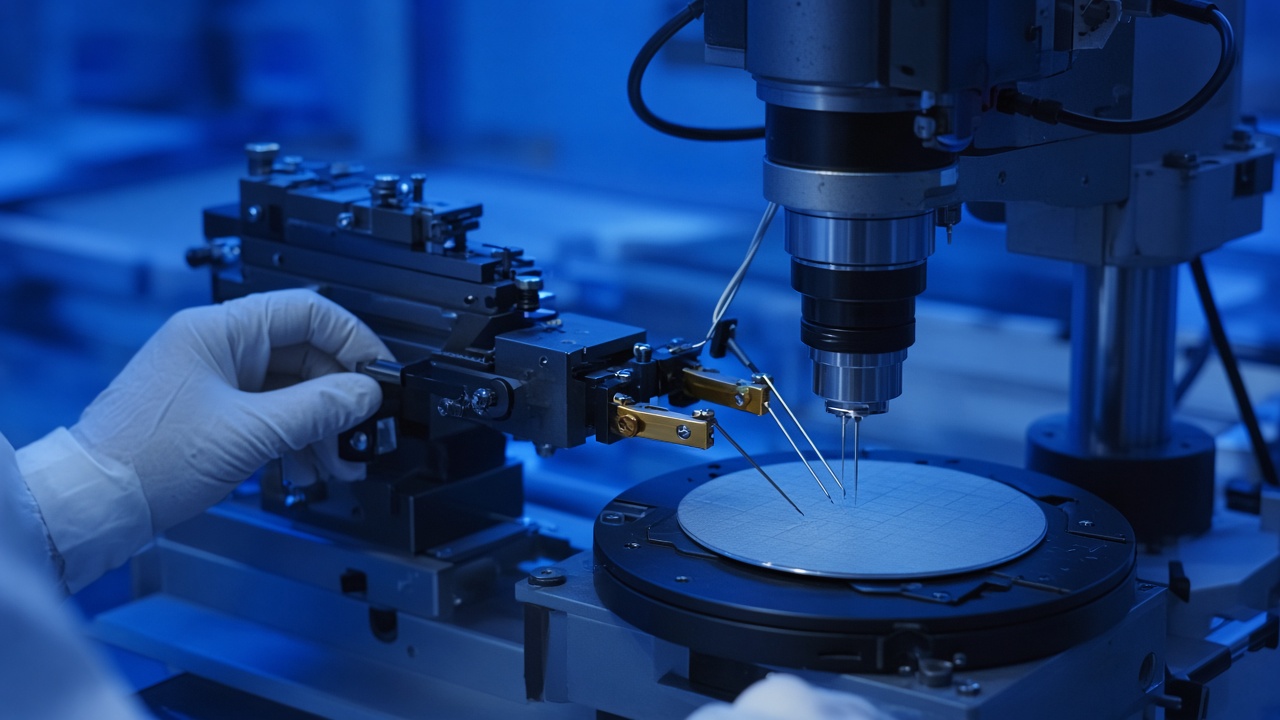
Seoul National University electrical engineers published a ferroelectric switching device that operates reliably at 0.6 volts in Nature Communications on 5 November, a threshold low enough for wearable health monitors running on coin-cell batteries without boost converters.
Device significance
Ferroelectric memories traditionally needed higher voltages that drain small wearables; the SNU team used hafnium-zirconium oxide stacks with engineered domain pinning to cut coercive voltage while keeping retention across 10,000 cycles in lab tests.
Applications
Authors propose edge inference buffers for continuous glucose monitors and arrhythmia patches where frequent wake cycles must minimize energy per bit. Partners at a Seoul hospital ethics board are reviewing a pilot protocol for non-invasive logging.
Manufacturing path
Processes remain compatible with 28-nanometer-class lines used by domestic foundry partners, though volume production requires further reliability data at 85-degree Celsius aging tests.
Peer comparisons
Global labs pursue similar low-voltage ferroelectrics; SNU’s paper emphasizes reproducibility across wafer lots, a hurdle that blocked prior academic claims from reaching OEM qualification.
Next steps
The team is negotiating with domestic wearable OEMs for module trials in 2027 if aging tests complete on schedule.
Funding
SNU said the work was supported by domestic science grants and foundry shuttle runs; OEM partners may co-fund reliability testing if wearable trials advance next year.