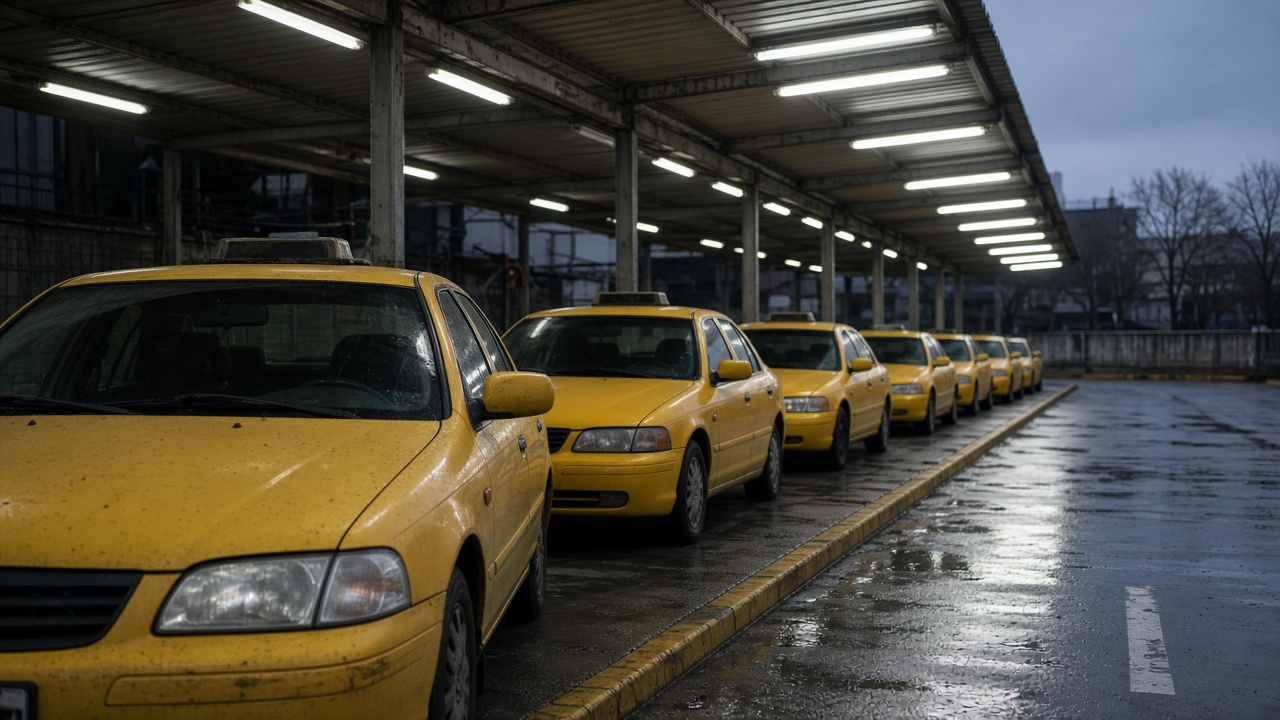
From 16 November the licensed cross-border taxi pool for each side of the Singapore–Malaysia link rises from 300 vehicles to 500, with CDG Zig and Malaysian operator Kumpool joining Grab as approved ride-hail platforms under the enhanced scheme, according to a joint statement by both transport ministries reported by The Straits Times on 6 November.
What the quota means for weekend trips
The expansion is aimed at families and small firms that book point-to-point cars instead of clearing checkpoints twice in private vehicles. More licensed plates reduce the temptation to use unregulated touts, though enforcement at boarding points still matters. Travellers should confirm operator, pick-up zone, and drop-off boundary in the app before paying—Johor’s operating area includes several townships beyond JB Sentral, while Singapore allows island-wide drop-off for licensed trips.
Fares households actually pay
Reporting from the same announcement lays out headline one-way prices: a four-seat ride from Ban San Street Terminal in Bugis to Larkin Sentral or within 35 kilometres of it is S$80, up from S$60 previously. The mirror route from Larkin toward Ban San or within 35 kilometres is RM240 (about S$76), up from RM120. Those numbers are printed tariffs for the scheme, not Grab surge—users should still check vehicle class and surcharges in-app.
Booking windows tightened earlier this year
The May overhaul also moved advance-booking rules toward shorter horizons; reporting notes cross-border ride-hail trips that once needed a 12-hour head-start can now be reserved about 90 minutes ahead, a change that matters for travellers who time arrivals after evening flights at Changi.
How this fits household budgets
For a four-person household comparing a weekend grocery run or dental visit, the printed S$80 and RM240 anchors make it easier to model cash outlays against petrol, ERP touches, and parking on either side. Corporate road warriors gain predictability for claims—receipts from licensed operators map cleanly onto company policy compared with informal car-pool chats in messaging apps.
The policy signal is straightforward: both governments want cross-border mobility on the books—metered, insured, and traceable—even as headline fares reflect higher energy and staffing costs than before the May relaunch.
Checkpoint reality
Licensed taxis do not bypass immigration queues. Families should still budget waiting time at Woodlands or Tuas, carry passports ready at the booth, and remember that public holidays scramble traffic independent of how many cross-border plates exist. The extra quota mainly reduces the hunt for an authorised ride—useful when rain or a midnight flight multiplies stress.
Comparing against driving yourself
Private-car commuters tally ERP, fuel, Malaysia’s road charges, and parking near City Square or Komtar. At S$80 one way to Larkin, a couple carrying luggage may find the taxi tariff competitive versus depreciation and cognitive load, especially without a Malaysian Touch ’n Go card balance top-up rhythm. Solo travellers who already own a second-hand Malaysia-registered car will make different math.
Consumer protection basics
Stick to Grab, CDG Zig, and Kumpool once licences are live—drivers touting curbside fares remain enforcement targets. Keep in-app receipts; they simplify disputes if a drop-off location disagrees with what was booked. Screenshots of the map pin matter when cellular handoff between operators lags near the checkpoint.
Business travellers
Finance teams should update their mileage tables: published S$80 and RM240 anchors set defensible per diem caps for Johore trips. Firms that closed Malaysian subsidiaries during earlier border closures may now rotate auditors more frequently; the expanded quota lowers the chance that last-minute meetings die for lack of wheels.