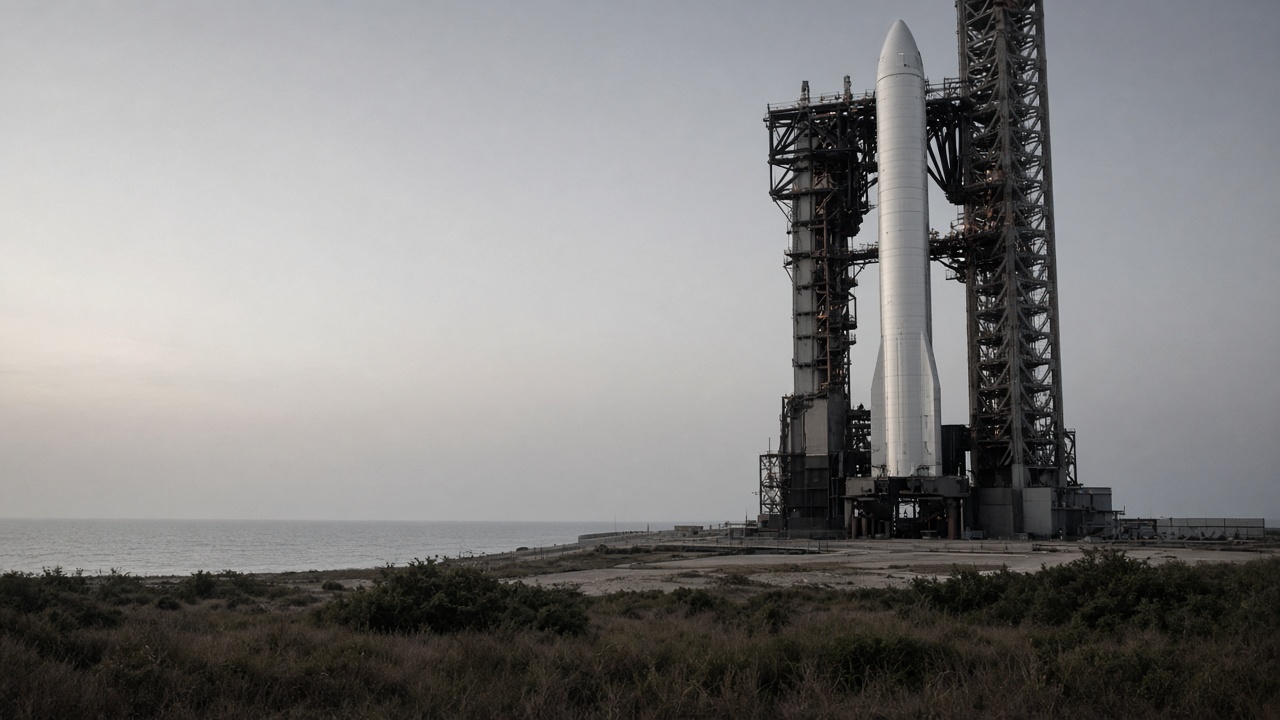
Japan's HTV-X1 cargo spacecraft reached the International Space Station after launching October 26 atop the seventh H3 rocket, marking the first flight of the powerful H3-24W stack with two LE-9 main engines and four solid rocket boosters. JAXA's published briefing materials describe minute-by-minute milestones—payload separation roughly fourteen minutes after liftoff, controlled disposal of the second stage over a predetermined downrange box, and rapid acquisition of NASA's Tracking and Data Relay Satellite fleet so controllers could verify solar array deployment on HTV-X1.
Why the configuration matters
H3-24 is now the heavy lift option in Mitsubishi Heavy Industries' catalog, aimed at satellite constellations and ISS logistics in a single integrated product line rather than bespoke rockets. Project leads emphasised that HTV missions demand punctuality measured in seconds because rendezvous windows do not tolerate slippage—an operational reality that colour every countdown rehearsal on Tanegashima.
What comes next on the manifest
JAXA's leadership remarks in November flagged follow-on flights such as the eighth H3 carrying the Quasi-Zenith Satellite System's MICHIBIKI No. 5, underscoring that HTV success was one milestone inside a broader launch cadence push after H-IIA retirement earlier in 2025.
Domestic science payoff
Reliable heavy lift lowers the coupon rate on university-led payloads that previously piggybacked on foreign rideshares. That shifts incentives for biotech and materials teams willing to run crystallisation experiments when upmass is available.
How to read future press kits
When JAXA publishes post-flight decks, compare declared ascent timelines across missions; drift in staging events often telegraphs turbopump tuning work long before technical papers arrive.
Implications for downstream users
Reliable heavy lift lowers the ticket price for university cubesat consortia and for defence experiments that previously hitched rides abroad. Satellite operators also care about staging timelines—if H3 keeps pressing earlier slot commitments, secondary payloads see fewer delays caused by queue jumping. Insurance underwriters will read the success through loss curves and reinsurance renewals that already bake in Japan's launch heritage.
Local municipalities near Tanegashima continue balancing tourism from launch viewers with noise ordinances; briefings that share accurate hold percentages help hotels manage staffing honestly.
Industrial base and vendor cadence
Mitsubishi Heavy Industries’ shift from H-IIA to H3 also pressures domestic solid-motor and turbopump suppliers to synchronise acceptance tests with a faster nominal tempo; JAXA’s published minute-by-minute decks give subcontractors early warning when staging margins tighten. Exporters of precision bearings and hydrogen turbo machinery read those timelines because defence and commercial customers share some lines—a slip on an HTV flight echoes in civil engine programmes that reuse test stands.