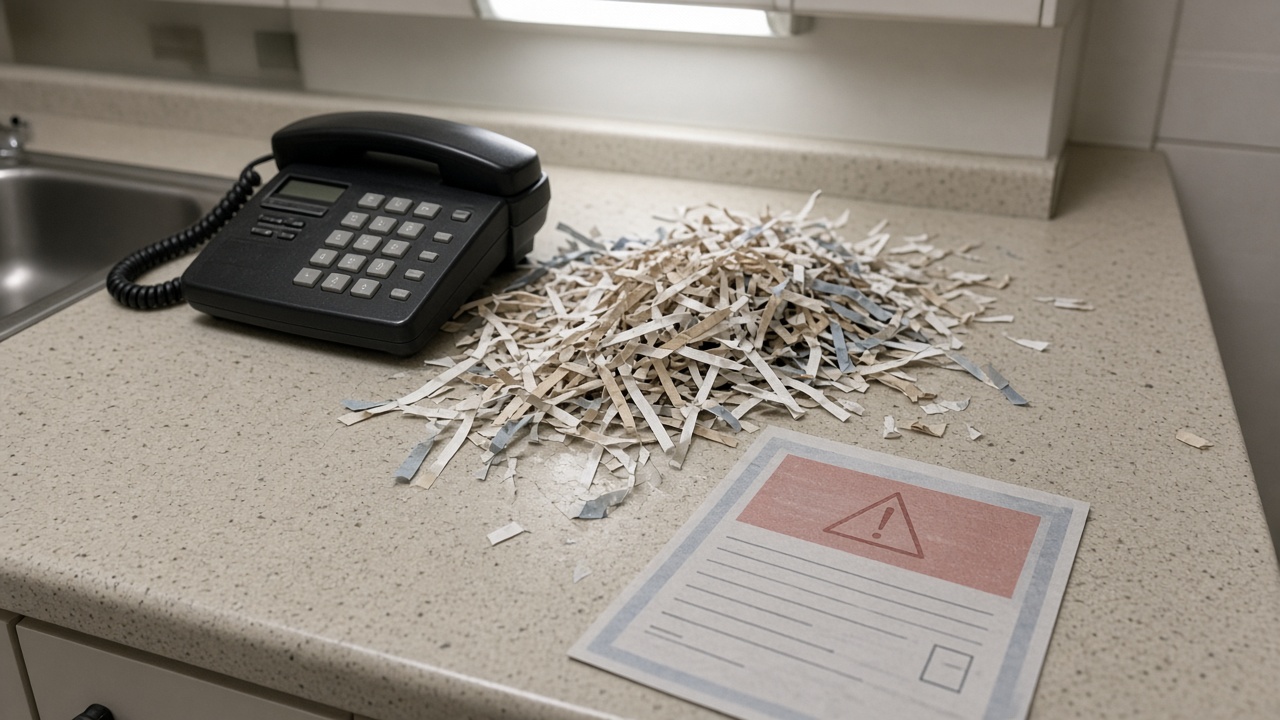
Singapore rolled out two confidence-building measures in the same week—standardised police caller IDs and corporate breach letters—and neither alone closes the impersonation scam funnel that already pairs stolen NRIC numbers with persuasive phone scripts.
The Police Force’s 6000-0999 outbound line helps residents spot legitimate calls, yet M1’s disclosure that identity numbers and addresses leaked on 30 October reminds households that scammers may know your particulars before anyone rings. Doctor Anywhere’s parallel notice adds phone and email fields to the pile without touching clinical notes.
Two fixes, one attack chain
Impersonation cases stole at least S$142.5 million in the first nine months of 2026, with police-themed lures the costliest subset. Caller ID reform attacks the moment of contact; telco and health-platform security attacks the data priming that makes the call believable. Policy makers need both, plus faster breach notification timelines so consumers reset defences before recycled data hits Telegram resale channels.
InfoHandle’s view is that outbound-number discipline should become mandatory across ministries within a year, not stop at SPF. Residents already expect gov.sg SMS follow-ups; extending the pattern to agencies that still call from desk extensions would reduce cognitive load.
Corporate accountability
PDPC investigations into M1 and Doctor Anywhere will test whether Singapore’s breach-response standards match the volume of citizen data held by quasi-essential services. Fines matter, but public reporting on root cause and remediation speed matters more for a population asked to trust digital government.
Telcos should publish aggregate statistics on how many customers received breach notices and offer structured credit monitoring where identity numbers were involved. Healthcare apps should separate marketing databases from clinical systems by default, not as an after-incident talking point.
What readers can do now
Treat every inbound call as hostile unless it matches the 6000-0999 and gov.sg SMS pairing. Freeze credit reviews if your NRIC appeared in a breach letter. Teach older relatives that knowing their name does not prove a caller works for the CAD or the tax authority.
Parliament’s haze-law debate showed Singapore can fast-track statutes when smoke fills the skies. Scam losses deserve the same urgency: one standard for government outbound calls, one hard timeline for corporate breach alerts, and one helpline—1799—that every household memorises before the next data package drops.
Banks should also tighten friction on large same-day transfers when customers report cold calls, even if those customers insist the officer was genuine. Hardware tokens and app prompts were built for credential theft, not for social engineering that piggybacks on accurate personal data. Until databases stop leaking, authentication alone will not save every late-night payout.