Researchers led by the Japan Agency for Marine-Earth Science and Technology published a comprehensive atlas of enzymes extracted from microbes sampled near the Izu-Ogasawara Trench, documenting catalysts that remain active under pressures equivalent to depths beyond 7,000 meters. The dataset gives biotech labs a catalogue of proteins that could shorten detergent, textile and pharmaceutical pilot lines.
How the samples were taken
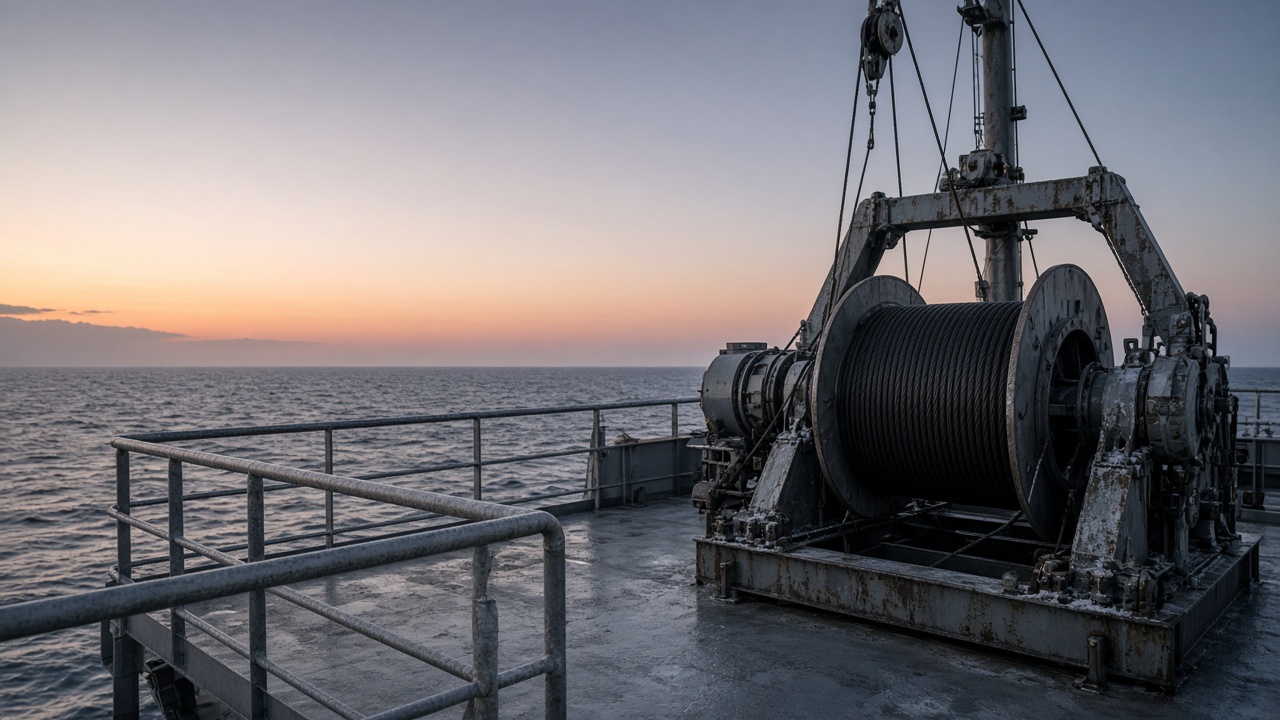
Cruise KH-26 tracked the research vessel Yokosuka through October transects above the trench axis, lowering pressure-retaining samplers that recover sediments and pore water without decompression shock. Scientists at the Institute of Biogeoscience filtered microbial communities on board, flash-froze extracts, and sequenced genomes at a shore facility in Yokosuka. The atlas pairs each enzyme family with depth, temperature and salinity metadata so labs can reproduce culture conditions in hyperbaric chambers.
Collaborators from the University of Tokyo's Atmosphere and Ocean Research Institute contributed metabolic pathway models that predict which enzymes break down complex carbohydrates in cold, high-pressure cells. Nothing in the release claims commercial products yet; the paper emphasizes open data for academic licensing.
Why extremophile enzymes matter
Industrial biochemistry often borrows heat-loving proteins from hot springs. Deep-trench microbes offer cold-active alternatives that may cut energy bills in manufacturing steps that must stay below 40 degrees Celsius. Detergent makers and textile finishers watch these catalogs for lipases and cellulases that work in tap-water temperatures. Pharmaceutical groups study proteases that cleave specific peptide bonds without harsh solvents.
Funding and access
The work drew grants from the Japan Science and Technology Agency's marine bioresource program and ship time allocated under the science ministry's competitive schedule. JAMSTEC said sequence read files will sit in a public repository with embargo-free release, while synthesized gene blocks require material transfer agreements. Domestic startups in Kobe and Yokohama bioclusters have already requested workshops on culturing licensing.
Environmental guardrails
Authors repeated international seabed sampling protocols that limit sediment volumes and require route reporting to fisheries agencies. Environmental groups want assurances that bioprospecting will not precede mining rulemaking for polymetallic nodules. JAMSTEC's press office said this cruise collected biology only and did not test nodule extraction gear.
What comes next
Follow-on cruises may compare trench communities with Japan Trench sites to see whether enzyme families cluster by plate boundary chemistry. Industry pilots, if they happen, will likely start with detergent benchmarking rather than drug leads. For readers in Japan, the payoff is another data asset in the country's long-running deep-ocean science program—not a product on store shelves next quarter.
Industry listening sessions
JAMSTEC scheduled open webinars for Kansai chemical makers in November to explain how to request cell lines under transfer agreements. Participants must submit biosafety plans even for bench-scale trials. University tech offices in Kobe said licensing revenue would follow standard government lab splits, with no preferential deals for keiretsu affiliates.
Open questions
Peer reviewers asked whether pressure-adapted enzymes might need new toxicity screens before detergent lines adopt them. Authors answered that existing OECD protocols suffice but recommended six-month stability tests in cold storage conditions mimicking trench temperatures. Funding agencies will track citation counts before renewing ship-time grants.