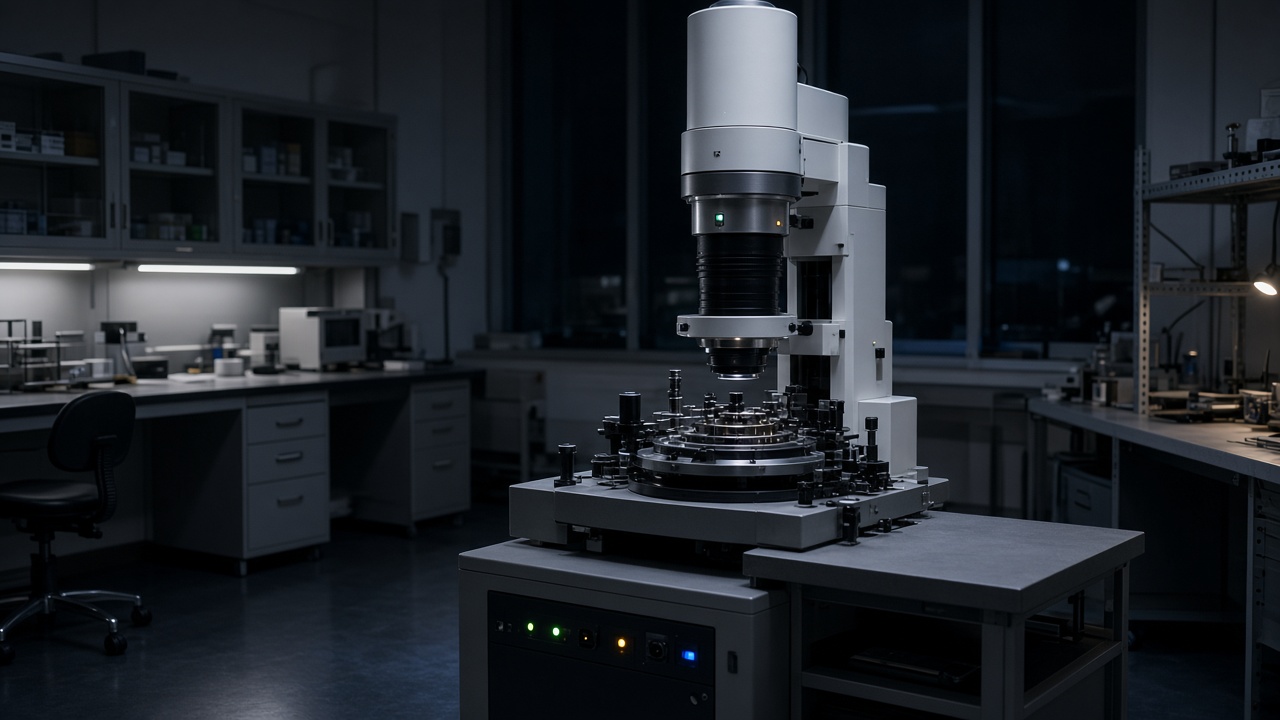
University of Sydney researchers say they have directly observed hydrogen atoms occupying the spaces between metal atoms in structural alloys, using cryogenic atom probe tomography to image a failure mode that has frustrated pipeline engineers and hydrogen exporters for decades.
The team, led by Professor Julie Cairney, swapped hydrogen for deuterium in several alloys so the heavier isotope could be tracked through sample preparation without evaporating from the specimen. Published in Nature, the work shows hydrogen in an interstitial state — dissolved in the crystal lattice — rather than only clustering at cracks or inclusions as earlier microscopes implied.
Why hydrogen location matters
Hydrogen embrittlement weakens steel and specialty alloys used in transport, energy infrastructure and defence manufacturing. Australia's export plans for green hydrogen and its domestic blending trials in gas networks both depend on materials that can carry or contain hydrogen without sudden fracture. Seeing where atoms sit at the nanoscale tells metallurgists which alloy chemistries might resist penetration and which heat treatments merely delay damage.
Cairney's group combined cryo-APT with electron microscopy and theoretical modelling to confirm the distribution. They found deuterium accumulating preferentially in regions where local chemistry steered trapping, evidence that controlling composition could steer hydrogen away from vulnerable sites. That is not yet a commercial alloy recipe, but it narrows the search space for Australian steelmakers eyeing hydrogen-carrier contracts.
Instrumentation edge
Atom probe tomography vaporises a needle-shaped sample atom by atom, reconstructing a three-dimensional map of chemistry. Running the tool at cryogenic temperatures kept light hydrogen from escaping during analysis — the technical breakthrough that made interstitial imaging credible. Sydney hosts one of the southern hemisphere's few cryo-APT workflows suited to reactive species, giving local PhD students and CSIRO collaborators a reason to keep difficult metallurgy projects onshore rather than shipping samples to Europe.
Path from lab to industry
Energy companies will not retool pipelines on one paper. Certification bodies will want reproducibility across heats and welds, and field trials under cyclic pressure. Still, the timing aligns with federal hydrogen hub spending and state manufacturing strategies pitching “green metals” exports. If the next generation of high-strength wire or pressure vessel steel can be qualified faster, project finance for hydrogen ports becomes slightly less speculative.
For readers outside materials science, the headline is simple: Australia produced a world-first measurement explaining why hydrogen hurts metals from the inside, and gave engineers a map to design around it. The work is fundamental, but the application list — shipping, storage, heavy transport — is the economy the government says it wants to build.