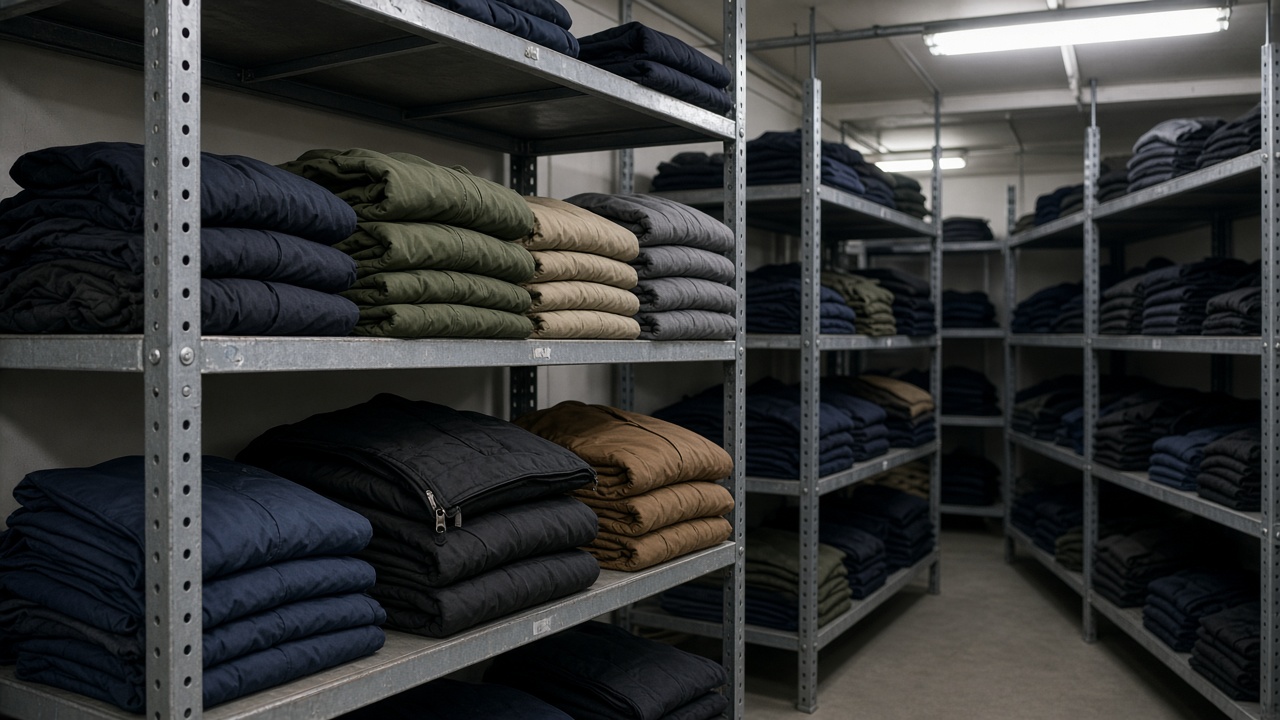
Fast Retailing Co. told investors that Uniqlo Japan’s winter assortment is meeting softer-than-planned demand because December opened with unseasonably warm weather, squeezing gross margins through deeper clearance on Heattech and padded outerwear. Kenji Watanabe’s business desk reads the messaging as a domestic weather hedge inside an otherwise upbeat fiscal 2026 story: overseas Uniqlo markets and GU continue to post double-digit revenue gains, while Tokyo-listed shares still trade on whether Japan same-store traffic can recover once temperatures normalize.
What management flagged
In materials tied to its latest fiscal 2026 outlook, Fast Retailing said it expects Uniqlo Japan’s second-quarter revenue to hold near year-ago levels while business profit contracts. The company linked the profit dip to sluggish winter product revenue after mild conditions persisted into December, forcing heavier discounting on cold-weather inventory bought before the season turned.
Despite that quarter-specific drag, management reiterated that first-half revenue and profit for Uniqlo Japan should still exceed the estimates it published in October 2025, helped by strong autumn sell-through of sweat sets, denim, and early winter launches when October finally cooled.
Margin mechanics
Fast Retailing targets a domestic gross profit margin around 50 per cent. A warm start to the peak winter month threatens that band because markdowns hit faster than fixed store rents fall. The company also cited yen weakness on forward procurement contracts as a modest first-quarter headwind, showing how FX and thermostat readings can hit the same segment in one earnings call.
Analysts watching 9983 on the Prime Market will split “weather” from “structural” by tracking basket mix: if customers postpone parkas but keep buying basics, profit pressure may ease without a demand collapse.
Global offset
Uniqlo International remains the growth engine. Mainland China, Southeast Asia, India, and Australia reported double-digit revenue and profit gains in the first quarter, with marketing campaigns and flagship openings lifting brand recognition. Fast Retailing still guides consolidated revenue of ¥3.8 trillion and operating profit of ¥650 billion for fiscal 2026, numbers that assume Japan’s second-half stabilizes.
GU and Theory add portfolio diversification, but investors treat Uniqlo Japan as the sentiment bellwether for domestic consumption.
Inventory and logistics
Warm winters punish apparel firms that planned fabrics months ahead. Fast Retailing’s integrated supply chain can redirect some units to colder regions, yet Japan’s dense store network still holds localized stock. Watanabe notes that e-commerce can clear excess faster than bricks alone, but only if digital demand exists; mild weather suppresses both channels for outerwear.
Labor and logistics costs continue rising in Japan, a structural squeeze unrelated to temperature. Management expects a slightly better selling, general, and administrative ratio for the full year if revenue momentum holds overseas.
What would falsify the soft patch
A late-January cold snap could rebalance inventory without changing the annual profit guide. Conversely, extended warmth through the New Year holiday shopping peak would extend markdowns into third-quarter comparisons. Competitive promos from domestic rivals and global fast-fashion entrants would compound the pain even if temperatures normalize.
Bottom line
Fast Retailing is not walking back its record profit ambition for fiscal 2026; it is warning that Japan’s winter quarter will look ugly on margins while overseas expansion carries the consolidated beat. For readers shopping Uniqlo in Tokyo, the trade-off is likely wider sales floors on seasonal gear—for shareholders, patience until the weather chart cooperates.
Wholesale and Theory segments
Theory and premium casual labels inside the group provide a hedge when Uniqlo Japan discounts winter goods; their smaller revenue base cannot offset a full quarter of domestic margin pressure but can stabilize blended operating profit if professional wardrobes keep selling through mild weather. Investors parsing segment tables should watch whether international Theory stores pick up coats that Tokyo shoppers postpone.
GU’s value positioning remains a traffic tool for younger households. Management has not cut GU expansion guidance, suggesting the warm December hit is concentrated in core Uniqlo seasonal SKUs rather than the entire domestic footprint.
Capital return unchanged
Fast Retailing maintained its dividend uplift narrative in prior guidance. A weather quarter does not usually pause buybacks unless guidance breaks; so far the company only adjusted intra-year margin commentary, not the consolidated profit ceiling. Bond investors care less; equity holders want proof overseas EBIT growth covers Japan squeamishness through August fiscal year-end.